
Free written scope consultation - allowances, timeline, and change-order rules on paper before a single trade is scheduled
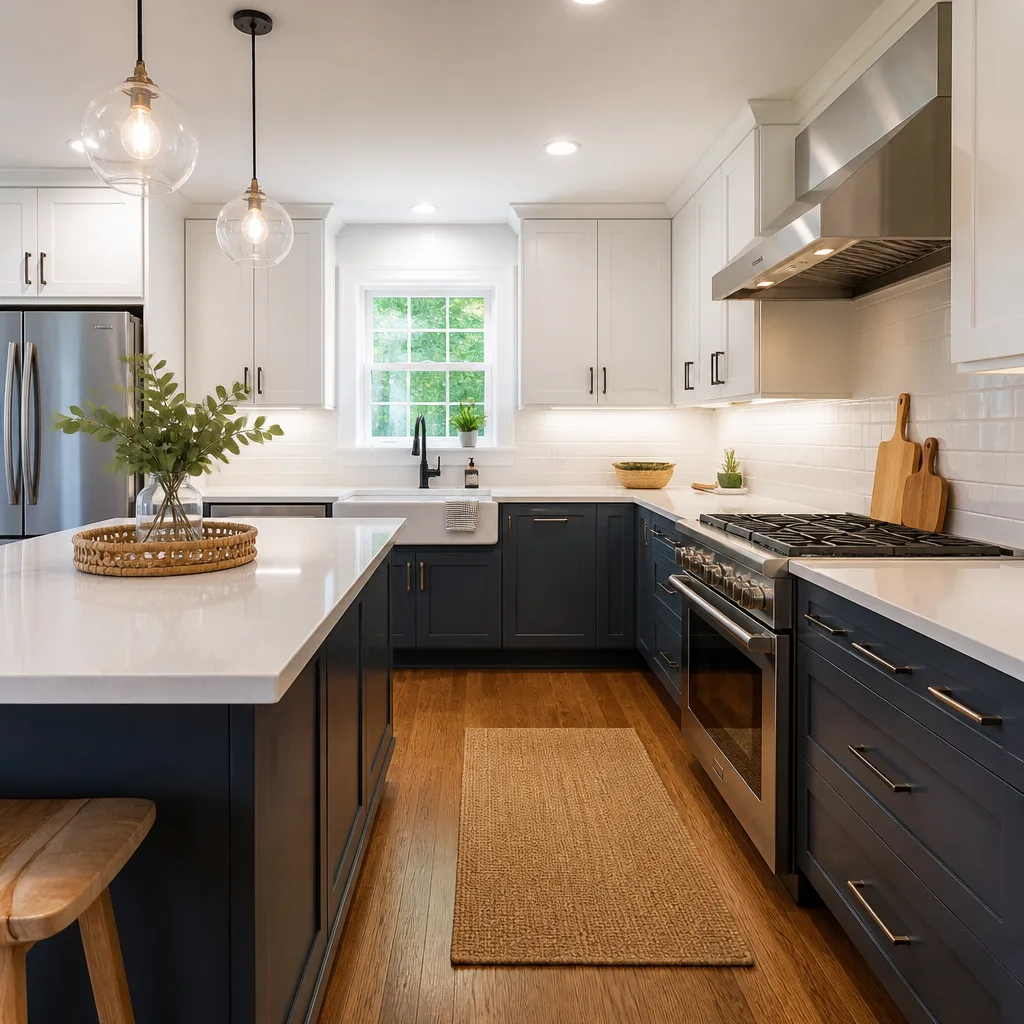
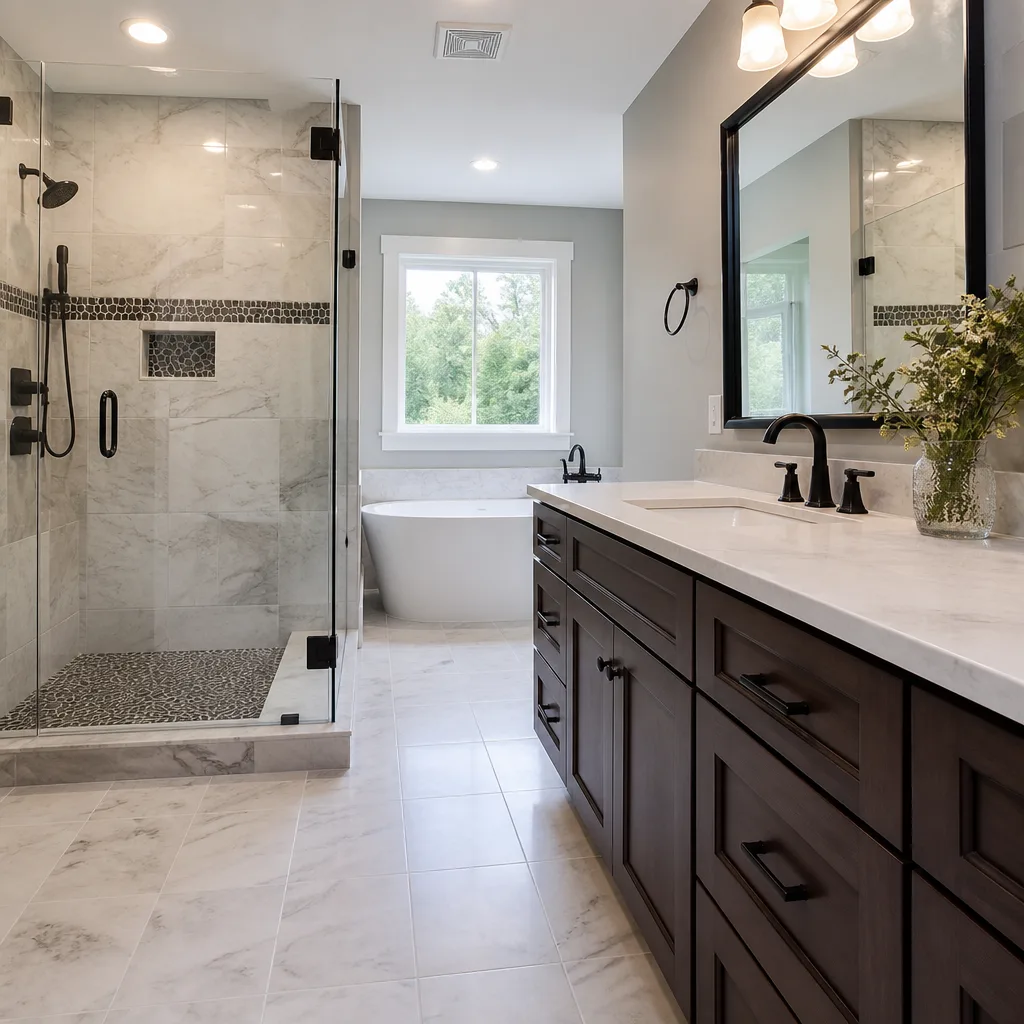




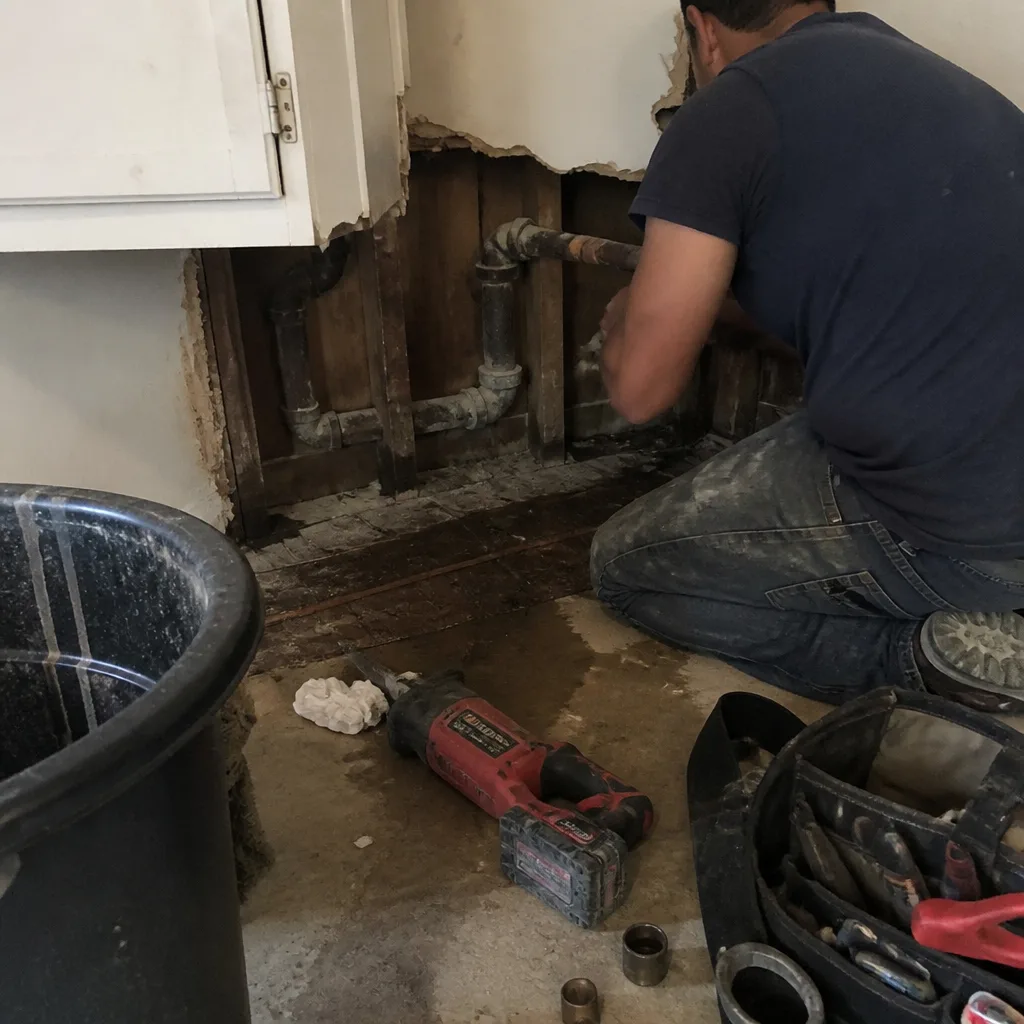 Before
 After
After Before
 After
After Before
 After
AfterSilestone Kitchen Remodeling: The Los Angeles Owner’s Guide
Silestone kitchen remodeling in Los Angeles typically runs $16,520 to $53,100 for a full countertop-and-surround project, with countertop installation alone at $2,360 to $7,670 depending on slab size and edge profile. Most owners discover they need this work when a seam separates, an edge chips beyond a fill repair, or a cooktop cutout shows hairline cracking from thermal cycling. The quickest way to an honest number is a free in-home measure: once we know the linear footage and whether the existing Silestone is a standard thickness slab (usually 2 cm or 3 cm), we can write a flat price, parts and labor included, before any work starts.
Key takeaways:
– Full Silestone kitchen remodels in Los Angeles run $16,520-$53,100; countertop-only work runs $2,360-$7,670
– We are an independent contractor, not a Silestone dealer, which means our quote reflects installed cost, not brand markup
– Every quote is a written, flat price with a written scope and warranty, per Clause 1 of The Haven Standard
– Our crews stock Silestone-compatible adhesives, color-matched seam fill, and edge-profile tooling on the truck
Which Silestone Models This Applies To
Silestone is a quartz-composite surface manufactured by Cosentino, and across the product line the slab thickness and finish determine how we approach the remodel more than the color name does. The current Silestone catalog includes the standard 2 cm and 3 cm thicknesses, a polished finish as the default, and the Suede and Volcano textured lines, which behave differently at the seam and require different abrasives if a seam ever needs reworking after install. The gotcha in Los Angeles is this: most kitchens built between 2015 and 2025 used a 3 cm slab with a mitered edge profile, and that mitered edge is the first place a dropped pot or a shifting base cabinet shows damage. Not every quartz fabricator will take on a Silestone repair job because matching the color lot and the edge geometry is tedious work, which is why we keep a record of every Silestone color and the original slab lot number when we do the install, so a future repair is matched to the exact dye batch rather than eyeballed. OEM versus aftermarket rarely applies to Silestone slabs themselves, since the stone is the stone, but it applies hard to the supporting pieces: sinks, faucet cutout templates, and undermount clips. We spec Silestone-compatible materials from the same supply chain we use for Cambria and Caesarstone jobs, so the quote is based on what the material costs us, not what a showroom thinks the brand name should command. If you have the original installation paperwork, the slab lot number is usually printed on the face sheet, and that single fact saves hours of color matching on the back end.
Signs Your Silestone Kitchen Remodeling Is Failing
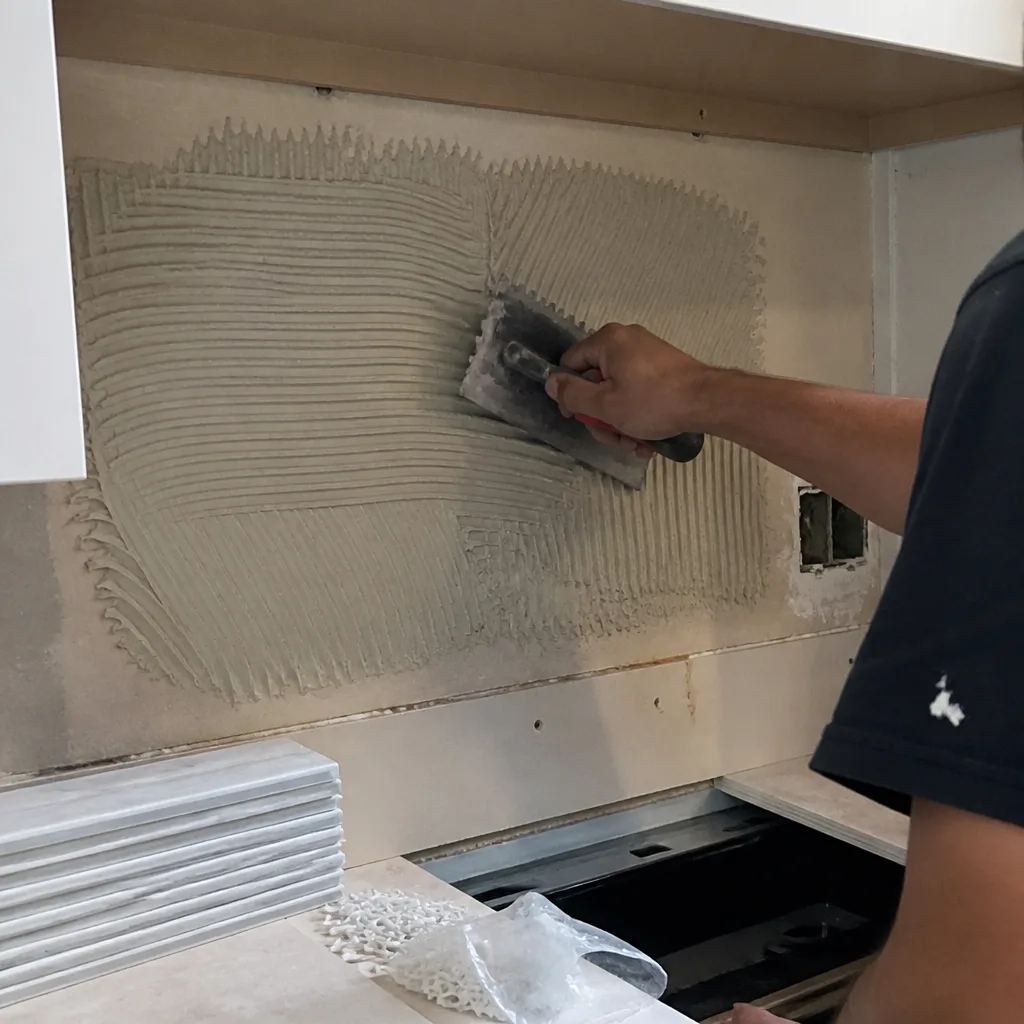
- Seam separation at the sink run. Silestone seams can open a hair over time as the cabinet box settles, especially in Los Angeles homes where the subfloor is slab-on-grade and seasonal moisture in the soil causes minor slab movement. A seam wider than about 1/16 inch means the underside seam adhesive has lost bond and the slab is relying on gravity.
- Hairline cracks radiating from the cooktop cutout. Quartz composite expands and contracts with heat, and the narrow strip between the cooktop opening and the front rail is the highest-stress point in the kitchen. If you see cracks there, the cutout was either under-supported or the slab was installed without an expansion gap at the cookout perimeter.
- Mitered edge delamination. The miter fold on a 3 cm slab is a glued joint, not a solid piece of stone, and repeated impact from pots and cast-iron pans can split the seam line where the vertical face meets the horizontal deck. This fails as a visible dark line first, then a chipped edge.
- Dull or etched patches that will not polish out. Silestone is engineered to resist etching, unlike natural marble, but harsh alkaline cleaners and years of scrubbing with abrasive pads will wear through the surface sealant in high-use zones. A worn patch catches the light differently and will not come back with polish alone.
- Undermount sink pulling away from the slab. The sink is held to the underside of the Silestone with clips and an epoxy bond, and when that bond fails the sink drops a few millimeters and water finds its way between the sink flange and the stone. You will see a dark water stain growing under the rim.
BeforeAfterReplacement Cost & What’s Included
For a full Silestone kitchen remodel in Los Angeles, our written quotes land between $16,520 and $53,100, with the spread driven by slab square footage, the number of seams, whether you have a waterfall island that needs a second polished edge, and whether the existing cabinets need refacement or replacement as part of the job. Countertop installation alone runs $2,360 to $7,670. A backsplash in matching or contrasting Silestone adds $945 to $2,950, and a kitchen island installation runs $3,540 to $11,800 depending on whether the island is new construction or a re-skin of an existing base. Every quote includes material, fabrication, demo of the old surface, disposal, installation, seam work, and the documented photo record we photograph on every visit. The written scope also includes the written warranty, which under our 365-Day Done Right Promise means if a seam or edge fails within the year, we correct it, and the guarantee is printed on the page, not explained by phone after the fact.
Here is the installed price structure for Los Angeles:
- Full kitchen remodel, Silestone throughout: $16,520-$53,100
- Countertop installation only: $2,360-$7,670
- Backsplash installation: $945-$2,950
- Kitchen island installation: $3,540-$11,800
- Cabinet installation (when the Silestone job requires new bases): $4,720-$15,340
DIY or Call Us?
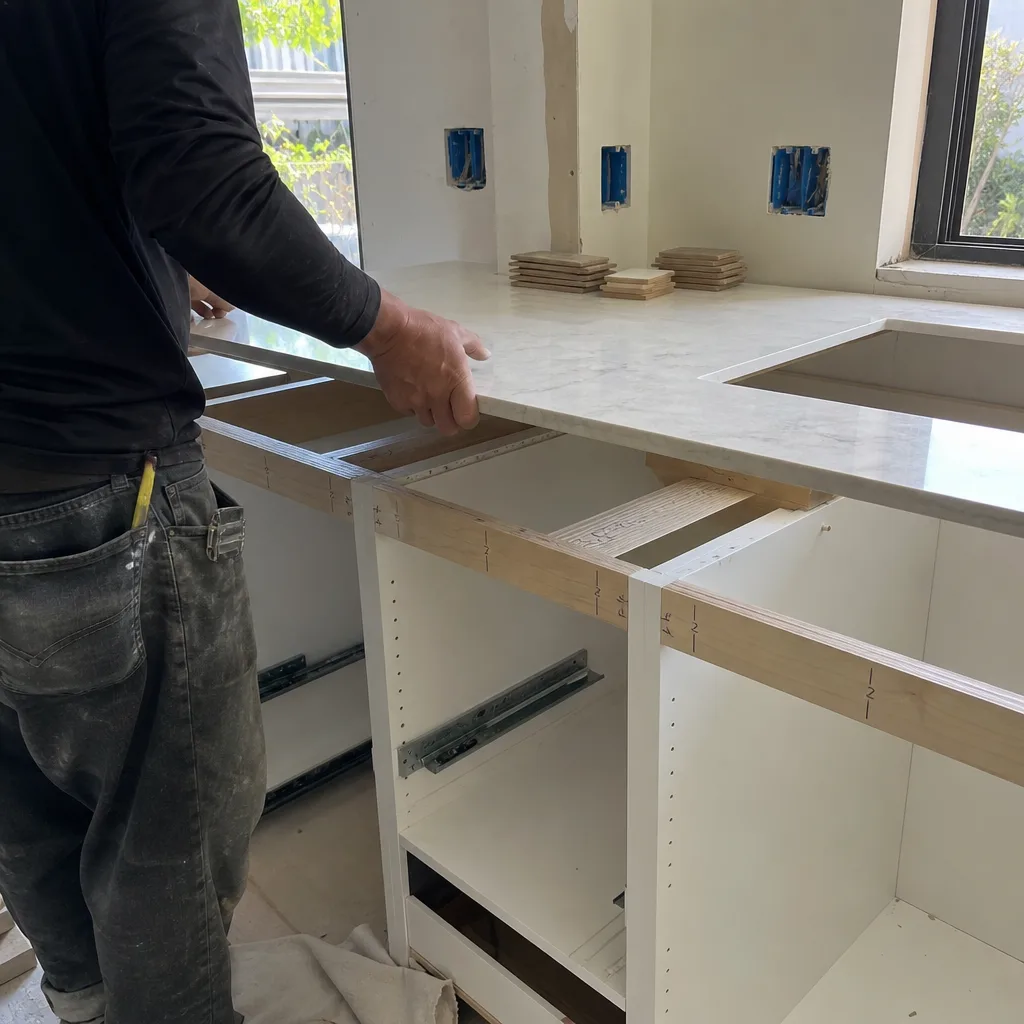
An owner can safely check a few things before calling: look under the sink cabinet for water stains on the cabinet floor, run a finger along each seam and note any gap or ridge, and photograph any crack or chip with a ruler beside it for scale. What you should not do is attempt to fill, glue, or clamp a quartz seam yourself. Silestone seam adhesive is a two-part polyester resin that is color-matched to the slab and cured with a specific catalyst ratio, and a DIY repair with hardware-store epoxy will cure the wrong color, fail inside of a season, and make the professional repair more expensive because we have to grind out the amateur fill before we start. Quartz is also heavy: a standard 3 cm slab weighs roughly 18 to 20 pounds per square foot, and a full kitchen run can exceed 600 pounds. Sheet size and weight are the two reasons this is not a weekend project. If you have a failing Silestone surface in Los Angeles, call us at (470) 298-9650 for a free in-home measure and a written price. The measure takes about 45 minutes, and you leave with the number on paper, not a promise.
FAQs
How long does Silestone last in a Los Angeles kitchen?
Silestone, properly installed and maintained, has a service life of 20 to 25 years in a Los Angeles kitchen. The failures we see at year 8 or 10 are typically seam adhesive fatigue or impact damage, not the slab itself, which is why we focus the written scope on substrate support and seam engineering rather than the stone choice alone. Call (470) 298-9650 and we can tell you over the phone whether your issue is a reparable seam or a slab-level problem.
Can a cracked Silestone countertop be repaired instead of replaced?
A hairline crack that has not separated can sometimes be stabilized with a color-matched resin fill, but a crack that has opened beyond a hair or one that runs through a cookout cutout corner generally means the slab section needs replacement. The honest answer is that quartz composite does not “heal,” and a fill is a cosmetic bridge, not a structural repair. Call (470) 298-9650 for an assessment; we will tell you which category your crack falls into and what the written repair price is.
How long does a Silestone kitchen remodel take in Los Angeles?
A countertop-only Silestone replacement runs about 10 to 14 days from template to installed slab, which includes measuring, CNC fabrication, and a single install day of 4 to 6 hours. A full kitchen remodel with cabinet work, backsplash, and island runs 4 to 8 weeks depending on cabinet lead time, and every schedule is written into the contract before work begins. Call (470) 298-9650 and we can map the timeline for your specific kitchen, including which phases overlap and which do not.
Do you stock Silestone slabs, or do I order my own?
We do not stock full slabs. We work with Los Angeles area fabricators who carry the Silestone catalog, and we pull the slab lot that matches your approved sample, then have it cut to template at the fabricator’s shop. The benefit is that you get the full Silestone color range rather than whatever is left over in a warehouse, and the slab lot number is documented on your written quote. Call (470) 298-9650 with the color name you are considering, and we can usually confirm availability and a per-square-foot price the same day.
Written by Grant Rowan, Owner at Rowan Construction Group, serving Los Angeles and nearby areas.