
Free written scope consultation - allowances, timeline, and change-order rules on paper before a single trade is scheduled
 Before
 After
After Before
 After
After Before
 After
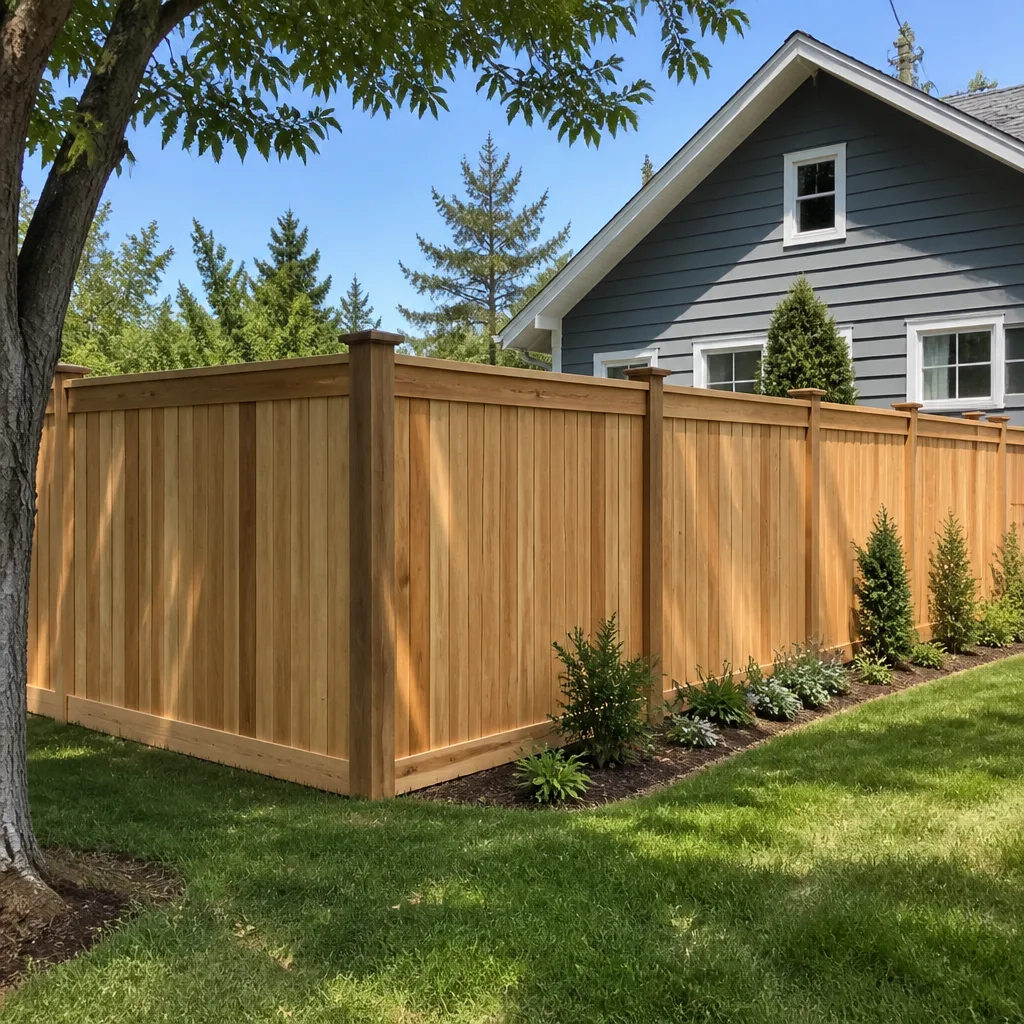
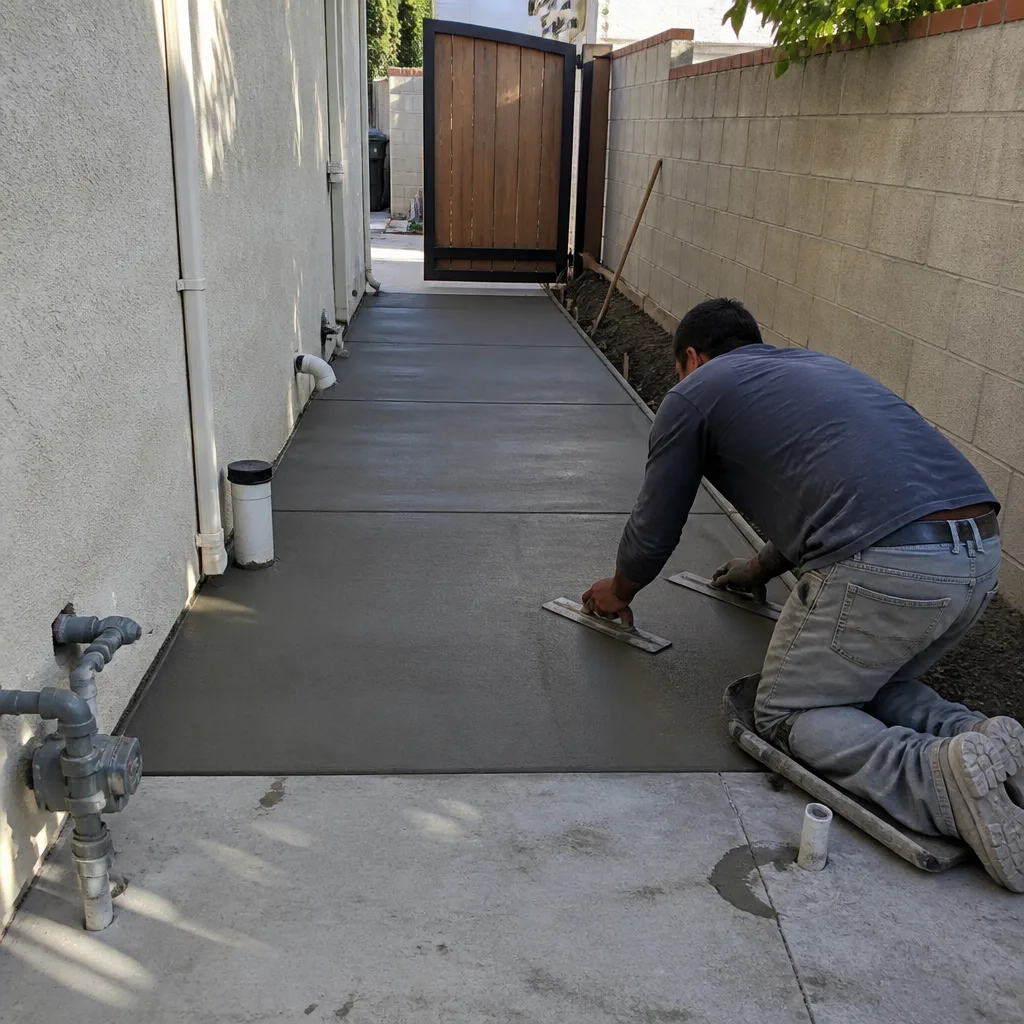
AfterUnilock Fence Installation: The Los Angeles Owner’s Guide
Unilock fence installation in Los Angeles typically runs $4,130-$10,620 for a complete perimeter project, with most mid-sized residential jobs landing between $5,500 and $8,000. That includes the wall block, base material, drainage, and labor, priced as a written flat quote before the first stone is set. Most Los Angeles homeowners discover they need this page after a fence corner has shifted or a freeze-thaw cycle in the foothills has cracked a cap, and they want to know whether the Unilock product is worth repairing around or replacing outright.
We’re Rowan Construction Group, an independent contractor serving Los Angeles since 2007. We are not affiliated with Unilock, but we install and repair their concrete wall systems more often than any other segmental retaining wall product in the LA market. If you have a failing Unilock fence on your property, you’re in the right place.
Which Unilock Models This Applies To
Unilock makes two wall product families that Los Angeles homeowners use as fence and boundary installations. The U-Cara Multi-Face Wall System is the most common: modular concrete blocks with a through-face panel that slides into a channel on each block face. The second is the Lineo Dimensional Stone System, which uses a smaller block module with a more refined finish. Both are segmental retaining wall systems, which means they rely on weight, interlock, and geogrid reinforcement rather than mortar joints.
Identifying your specific system matters for parts matching. U-Cara blocks have a raised lip on the back of each unit that keys into the course below. Lineo uses a similar lip at a shallower depth. The fastest check: measure the face height. U-Cara panels are 6 inches tall per course. Lineo runs 4 inches. If your fence was installed before 2015, you may have an older Unilock product line that has since been discontinued, and a straight replacement panel won’t match the current manufacturing dimensions within a quarter inch. That quarter inch is the difference between a clean repair and a visible seam that catches every afternoon shadow in Los Angeles.
Unilock’s current compatibility matrix also varies by texture. The Umbriano, Town Hall, and Brussels Block finishes within U-Cara all accept the same structural block, but the face panels are finish-specific. You cannot put a Brussels Block panel on an Umbriano course and expect the edge profile to align. This is one of the most common order mistakes we correct on Los Angeles job sites.
We stock new U-Cara structural block and Lineo block on the shelf, and we order finish panels per job so you’re not paying for the wrong texture. When a customer wants a cheaper route, we do carry a select aftermarket concrete panel that matches U-Cara’s 6-inch face height within 1/16 inch, but honestly, the Unilock OEM panel is usually within a dollar or two per unit for this product, and the color match is worth it. We’ll put both numbers in front of you and let you decide.
Signs Your Unilock Fence Installation Is Failing
- Leaning or tilting at the corner or gate post. This means the base course has lost bearing or the geogrid was never installed to Unilock’s spec. In Los Angeles, the most common cause is a fence built on uncompacted fill from the original home construction. The wall leans, the corner opens up, and the fence looks drunk.
- Vertical cracks running through consecutive courses near the middle of the run. Freeze-thaw moisture cycles in the San Fernando Valley and foothill communities create expansion pressure as water trapped behind the block freezes and expands. Unilock wall systems need drainage stone behind them, and when that was skipped, the block takes the stress.
- Face panels popped out of the channel. This is typically a soil pressure issue behind the wall pushing the block forward, or a vehicle bump at the base. In Los Angeles, rear-alley fences with driveway access see this more than any other configuration.
- Cap units shifting or falling off entirely. Caps are often installed with construction adhesive, and the LA sun breaks that bond down over three to five years, especially on south-facing walls. The cap stays in place by habit, then one morning it’s on the ground.
- Soil erosion washing out at the base of the fence. Los Angeles gets flash rainfall that moves a lot of water in twenty minutes. If the grade at the fence base wasn’t sloped away and compacted, you’ll see the telltale gap under the bottom course after the first real storm.
BeforeAfterReplacement Cost & What’s Included
For a full Unilock fence installation in Los Angeles, we quote a flat written price between $4,130 and $10,620, with most projects in the $5,500-$8,000 range. The main drivers are linear footage, wall height, access for equipment, and whether we’re replacing a failed wall from scratch or repairing sections. A 50-foot straight run at 3 feet tall costs meaningfully less per foot than a 120-foot run with two 90-degree corners and a gate post rebuild, even though the block cost per course is identical.
Here’s how a typical Los Angeles Unilock fence job breaks down:
- Base material and drainage stone: $8-$14 per linear foot, delivered. This is what actually keeps the wall from leaning, and it’s the item that gets skipped most often by the low bid.
- Unilock U-Cara or Lineo block and finish panels: $18-$31 per square foot of wall face, depending on finish and whether there’s a matching cap course. We quote the OEM number and give you the aftermarket option if one exists.
- Labor, equipment, and waste hauling: $28-$45 per square foot of wall face in Los Angeles, which accounts for freight, site access, and the crew time to excavate, set, and finish.
- Permits, where required: Los Angeles requires a permit for wall fences over 3 feet with grade changes or any wall retaining more than 18 inches of soil. Our quote includes permit fees and we pull them under Rowan Construction Group’s license and schedule inspections.
Every quote includes a written scope with the specific Unilock product, course count, drainage spec, and the workmanship warranty, which is covered under our 365-Day Done Right Promise. If something is not right in the first year, we make it right, in writing, before we leave the driveway.
DIY or Call Us?
You can safely inspect a Unilock fence yourself. Walk the line and look for leaning, gaps, or caps that have shifted. That’s a fifteen-minute Saturday morning job and it tells you a lot.
What you should not do is take apart a failing Unilock wall by yourself. A 3-foot-high segmental wall is holding back a lot of soil. Remove one block and you can release a slide of dirt and block that hurts someone, and the repair goes from a weekend project to a structural rebuild. If you’re dealing with an existing fence that has shifted more than 2 inches out of vertical, call us before you touch anything. We’ll tell you whether it’s a repair or a rebuild, and the estimate is free at (470) 298-9650.
FAQs
A properly installed Unilock fence with the right drainage base lasts 25 to 40 years in Los Angeles before the block itself degrades. What fails first is almost never the block. It’s the base compaction and drainage behind the wall, which can cut that life to 10 years if it was built wrong. We see failed Unilock fences in LA every month that are structurally sound block, just set on bad ground or without drainage stone. That’s a rebuild of the base, not the product.
Yes, in many cases, and we’ll tell you if yours can. Individual face panels can be replaced if the block channel is intact. Leaning sections can sometimes be pulled back and re-set if the geogrid is still anchored. Cap units are a straightforward fix. But if the wall has moved more than 2 inches or the base has failed, repairs are a temporary bandage. We’ll show you photos of what we found and give you the repair price and the rebuild price side by side, then you choose. That’s how we quote every Los Angeles job.
A typical 50 to 60 foot Unilock fence installation in Los Angeles takes 3 to 5 working days from excavation to finished cap course. That includes the base prep, block setting, drainage installation, and cleanup. If we’re replacing an old wall, add a day for demolition and waste hauling. We give you the schedule in writing with your quote, and it’s part of the signed scope before we start.
We maintain a working inventory of Unilock U-Cara and Lineo structural block in our Los Angeles yard, and we order finish panels, caps, and any special-order textures per job so the color match is right. You don’t have to source anything. When we quote your fence, the parts are in the number. We also work with KraftMaid, Cambria, and Silestone products on other trade lines, so if you’re doing a fence and a kitchen remodel, we can put both in one documented quote.
If your Unilock fence is leaning, cracked, or just looks wrong, call us. We’ll measure it, tell you exactly what’s failing and why, and give you a written price before any work starts. That’s Clause 1 of our Haven Standard, and it has kept 4,000-plus Los Angeles projects on budget since 2007.
Written by Grant Rowan, Owner, Rowan Construction Group at Rowan Construction Group, serving Los Angeles and nearby areas.