
Free written scope consultation - allowances, timeline, and change-order rules on paper before a single trade is scheduled
 Before
 After
After Before
 After
After Before
 After
AfterCover Roofing: The Los Angeles Owner’s Guide
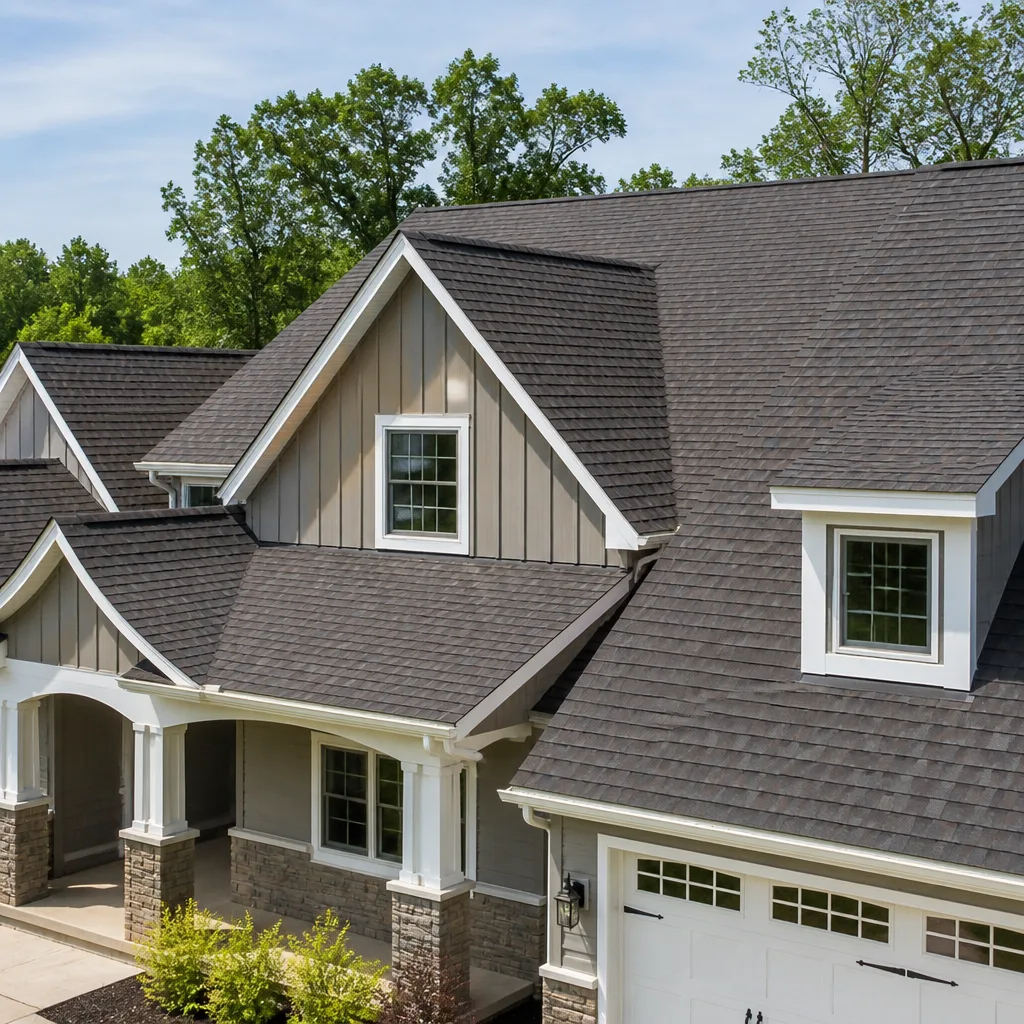
Cover-brand roofing systems sold in Los Angeles are typically proprietary standing-seam metal panels or coated steel shingle profiles, and when a section fails, the fix is almost never a generic patch from a big-box aisle. Rowan Construction Group stocks Cover-compatible replacement panels, clips, and flashing, and most single-section repairs in LA run between $470 and $2,125 installed, depending on what we find when the old panel comes off. You’ll know something’s wrong the same way most of our customers do: a rust bloom at a fastener line, a panel that lifts at the edge in Santa Ana winds, or water staining on a ceiling after the first real rain in November.
This page exists because finding Cover parts in Los Angeles is harder than it should be. We’re an independent contractor, not a Cover affiliate, and we’ve spent enough years matching panels to know what fits, what doesn’t, and what actually costs less to fix than to chase.
Which Cover Models This Applies To
Cover’s residential roofing line includes a few distinct profiles, and the part you need depends on which one is on your house. The most common in Los Angeles is the Cover 1.5″ standing seam panel, which uses a snap-lock clip system rather than exposed fasteners. Some older installs from the late 2000s use the Cover Shingle profile, a stamped steel unit that looks like an oversized asphalt shingle but interlocks with a folded side seam. They are not interchangeable.
To identify your panel, look for the stamp on the underside of any removed piece or check the original invoice, which usually lists the profile name and the coil lot number. If you don’t have either, measure the seam height. The 1.5″ panel measures exactly that from the flat of the pan to the top of the seam. The Shingle profile has no raised seam at all. We can match from a photo in most cases, but a physical sample gets us to an exact replacement the first time. For Cover systems specifically, aftermarket equivalents exist for clips and closures, but we quote OEM panels whenever the house is still under a transferable finish warranty. Using a non-Cover panel on a warranted roof can void the finish coverage, and we won’t write a quote that quietly does that to you.
Signs Your Cover Roofing Is Failing
- Rust streaking from fastener lines or seams. Cover steel is galvalume-coated, but Los Angeles coastal air within about three miles of the water carries enough salt to eat through factory cut edges first. If you see orange lines running down from a seam, the coating has failed at that point and water is working behind the panel.
- Oil canning that appears suddenly, not at install. Some waviness in metal roofing is normal and shows up within weeks of install. But if a panel starts looking bowed months or years later, something underneath has moved: a clip has pulled loose, or the decking has absorbed moisture and swollen.
- A panel edge you can lift by hand. Cover’s clip system is engineered so panels stay mechanically locked. If you can get a fingertip under an edge, the clip has failed or was never seated. Los Angeles wind events, especially in the foothills and the pass areas, will find that loose edge and peel it.
- Granule-like particles in gutters that aren’t from shingles. On older Cover Shingle-profile roofs, the stone-coat finish breaks down with sustained UV exposure, and you’ll see it in your gutter guards. Los Angeles gets roughly 3,000 hours of sun per year, so a 15-year-old stone coat here often looks like a 25-year-old one elsewhere.
- Water staining on ceilings or around skylights after rain. By the time this happens, the leak has passed through the panel, the underlayment, and the decking. The panel failure may be small, but the decking repair is where the cost compounds. We quote the panel and the decking in the same line item so the written price covers what we suspect before we open the roof, not what we hope it’s going to be.
BeforeAfterReplacement Cost & What’s Included
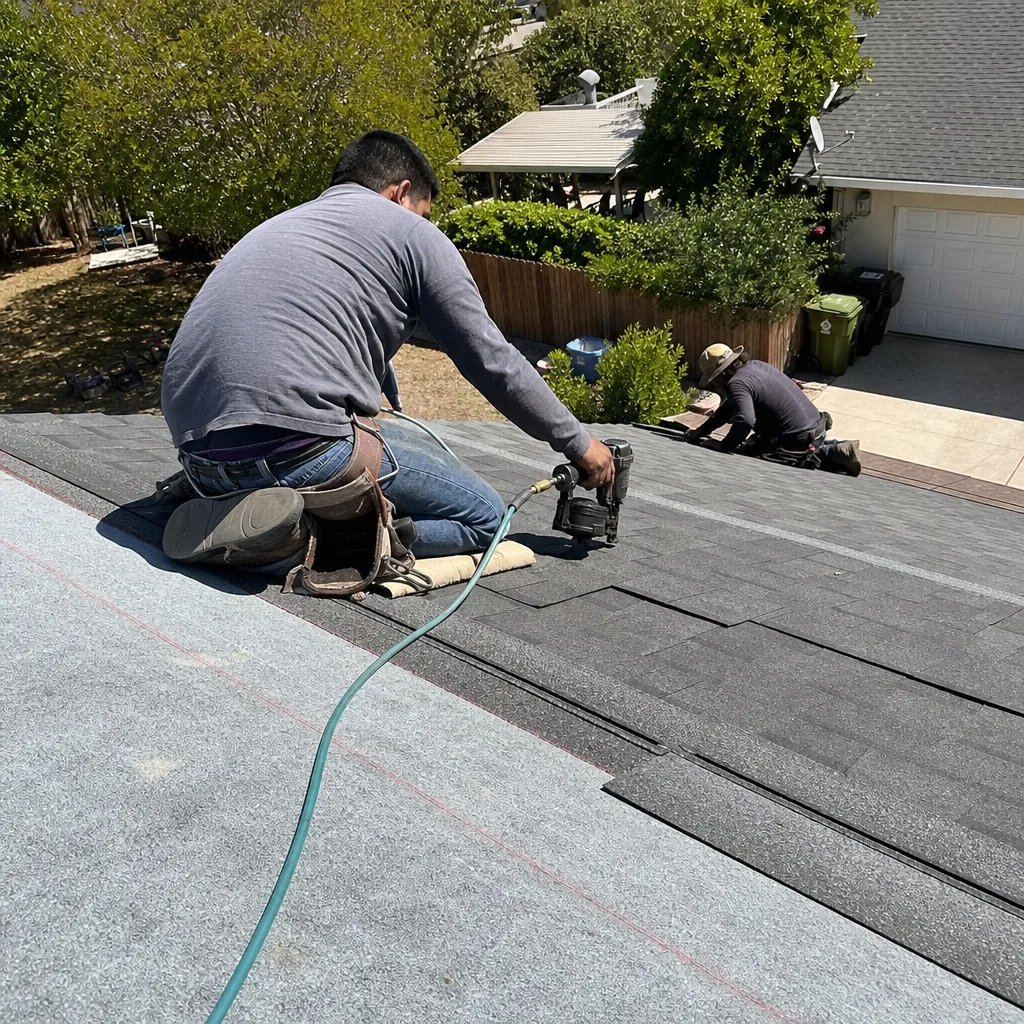
Installed Cover panel replacement in Los Angeles runs $470 to $2,125 for a single damaged section, with most jobs landing between $600 and $1,400. The spread comes down to three things: how many panels need to come off to reach the damaged one, whether the underlayment is intact, and whether we’re on a one-story walkable pitch or a two-story cut-up roof that needs full fall protection and a lift setup.
Every quote we write includes the panel or part itself, the clips and closures, removal and disposal of the failed material, and the labor to re-seat and re-seam the surrounding panels. The price you sign is the price on the invoice. If we open the roof and find decking rot, we stop, photograph it, and bring you a signed change order before any additional work happens. That’s Clause 1 of the Haven Standard, the same discipline we’ve applied to over 4,000 projects since 2007. Workmanship is covered for a full year, and the panels carry the manufacturer’s finish warranty when OEM parts are used.
DIY or Call Us?
You can safely inspect a Cover roof from the ground with binoculars or from a ladder if you keep both feet planted. Look for rust at cut edges, lifted seams, and missing screws on the ridge cap, which is the most common failure point on any metal roof in Los Angeles, not the panels themselves. If that’s all you find, you’ve learned something useful.
What you shouldn’t do is climb onto the roof and start unclipping panels. Cover’s clip system requires a specific tool to release, and installing the clips calls for a calibrated fastener setting. Too loose and the panel lifts in wind. Too tight and the clip dimples the flat of the steel, which creates a puddle point that rusts in a season. We’ve also seen homeowners reuse old clips on new panels and have the seam fail within a year. If the panel is damaged or the ridge cap is lifting, call us at (470) 298-9650. We’ll send a crew that’s background-checked and uniformed, and we’ll leave you with a photo record of what we found and what we did.
FAQs
A properly installed Cover standing-seam roof in Los Angeles lasts 30 to 40 years before the finish shows meaningful wear, with the stone-coated Shingle profile landing closer to 25 to 30 years. The limiting factor here isn’t the steel; it’s UV degradation of the coating and salt exposure within a few miles of the coast. Call (470) 298-9650 and we’ll put a written lifespan expectation in your estimate, based on the profile you have and the part of LA you’re in.
Small punctures and isolated rust spots can sometimes be repaired with a color-matched sealant and a patch panel for under $500, but seam failures and lifted clips always require replacing the panel. Repairs are temporary on anything that carries wind load, and in Los Angeles, every panel carries wind load. We’ll tell you honestly which one applies to your situation when we inspect it.
A single-panel replacement on a one-story roof is usually a same-day job, about four to six hours from setup to cleanup. If the project requires removing several panels or replacing decking, expect one to two days. We’ll put the timeline in your written estimate before anyone starts work.
We keep Cover-compatible clips, closures, and common trim pieces on our trucks, and we source panels from local Los Angeles metal roofing suppliers within one to two business days. We also work with fifty-plus vetted material brands, including KraftMaid, Cambria, and Silestone on the interior side, because the written quote is only as honest as the sourcing behind it.
Written by Grant Rowan, Owner, Rowan Construction Group at Rowan Construction Group, serving Los Angeles and nearby areas.