
Free written scope consultation - allowances, timeline, and change-order rules on paper before a single trade is scheduled
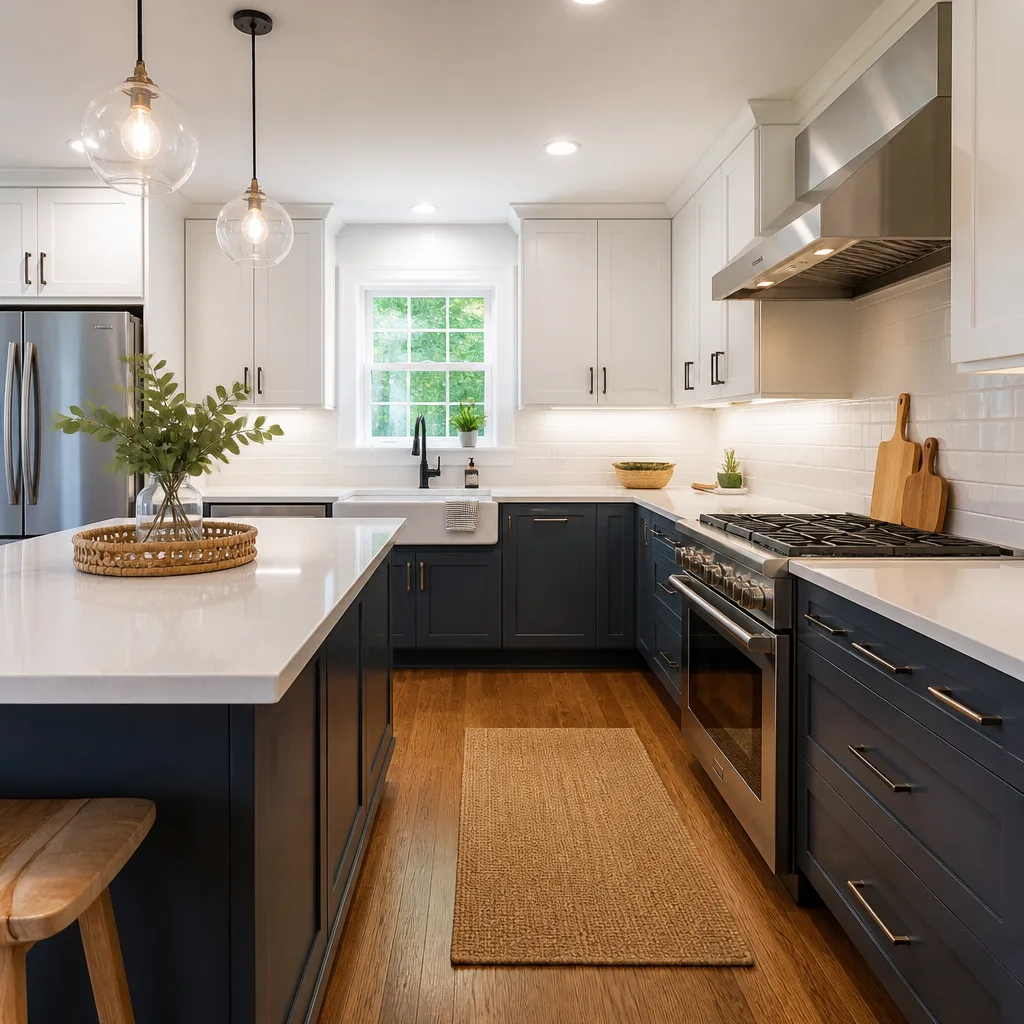
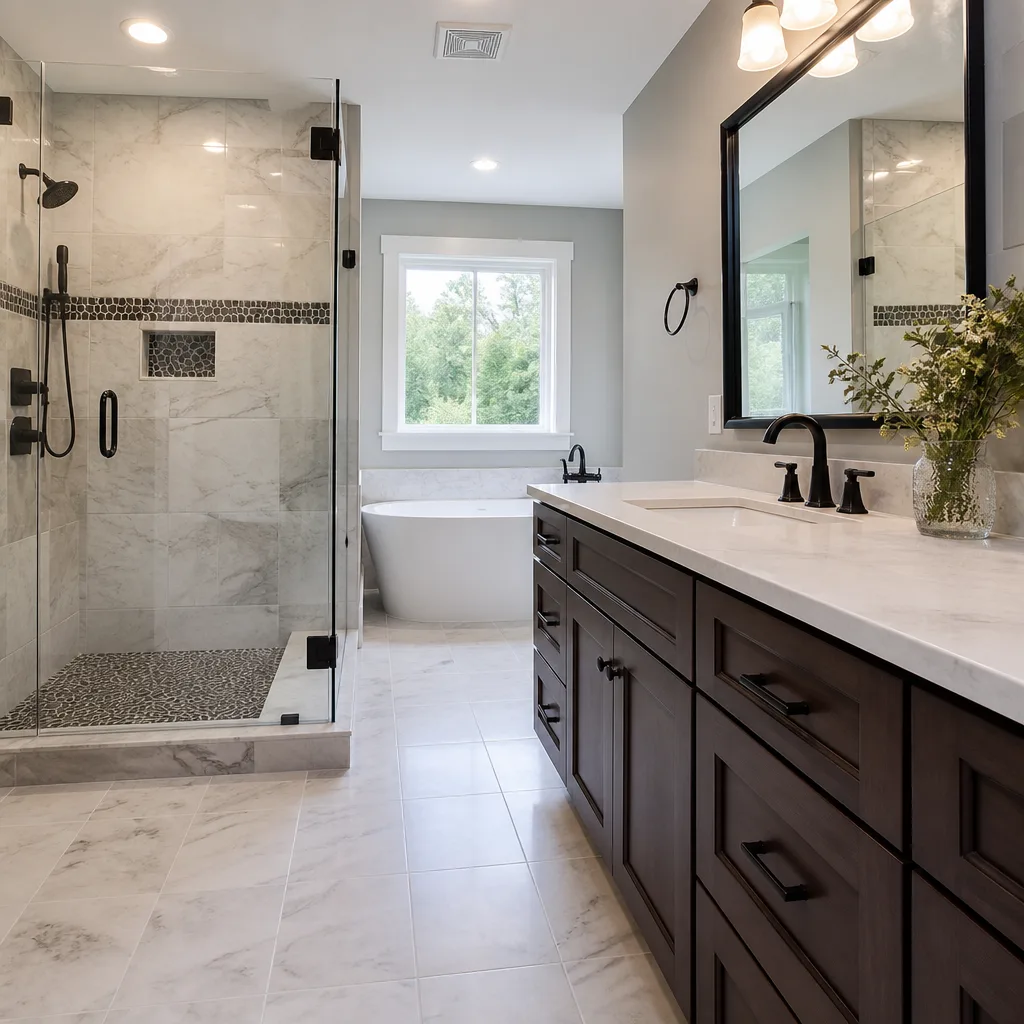
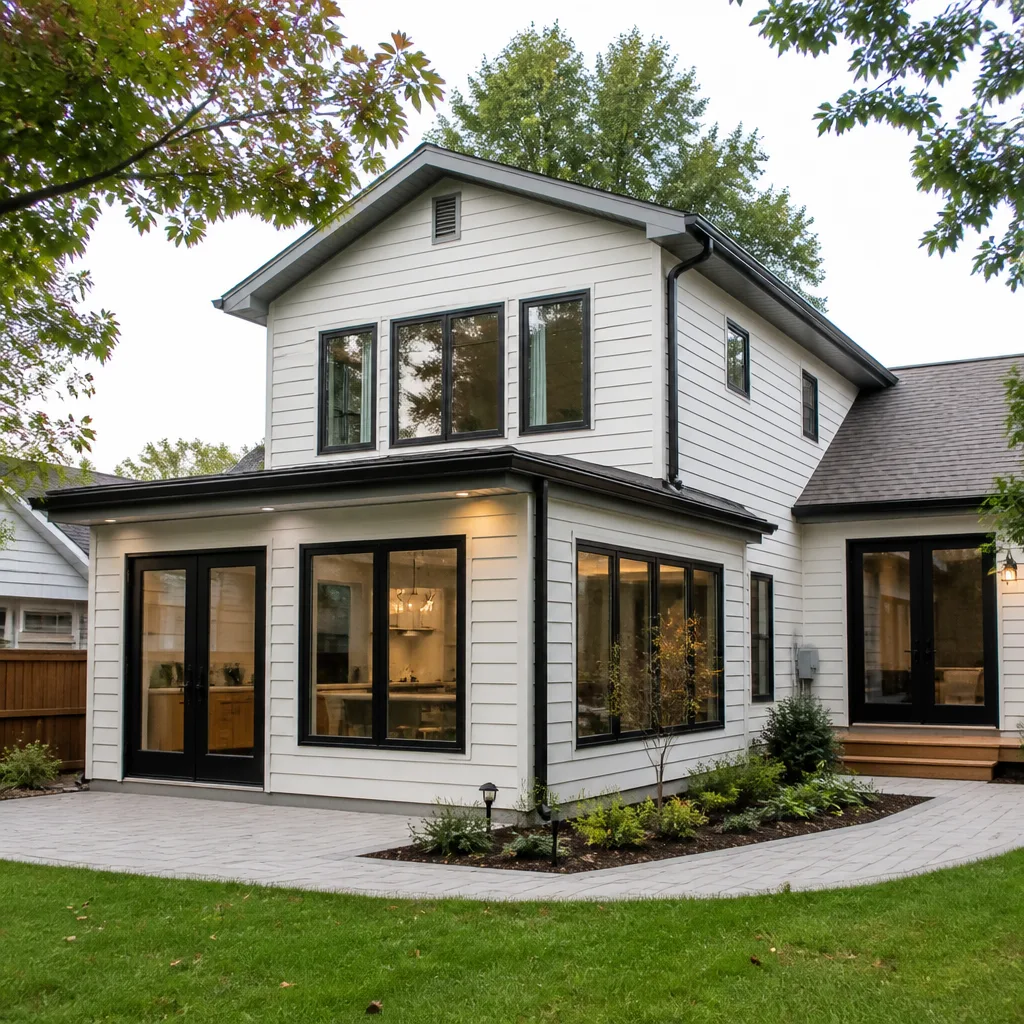
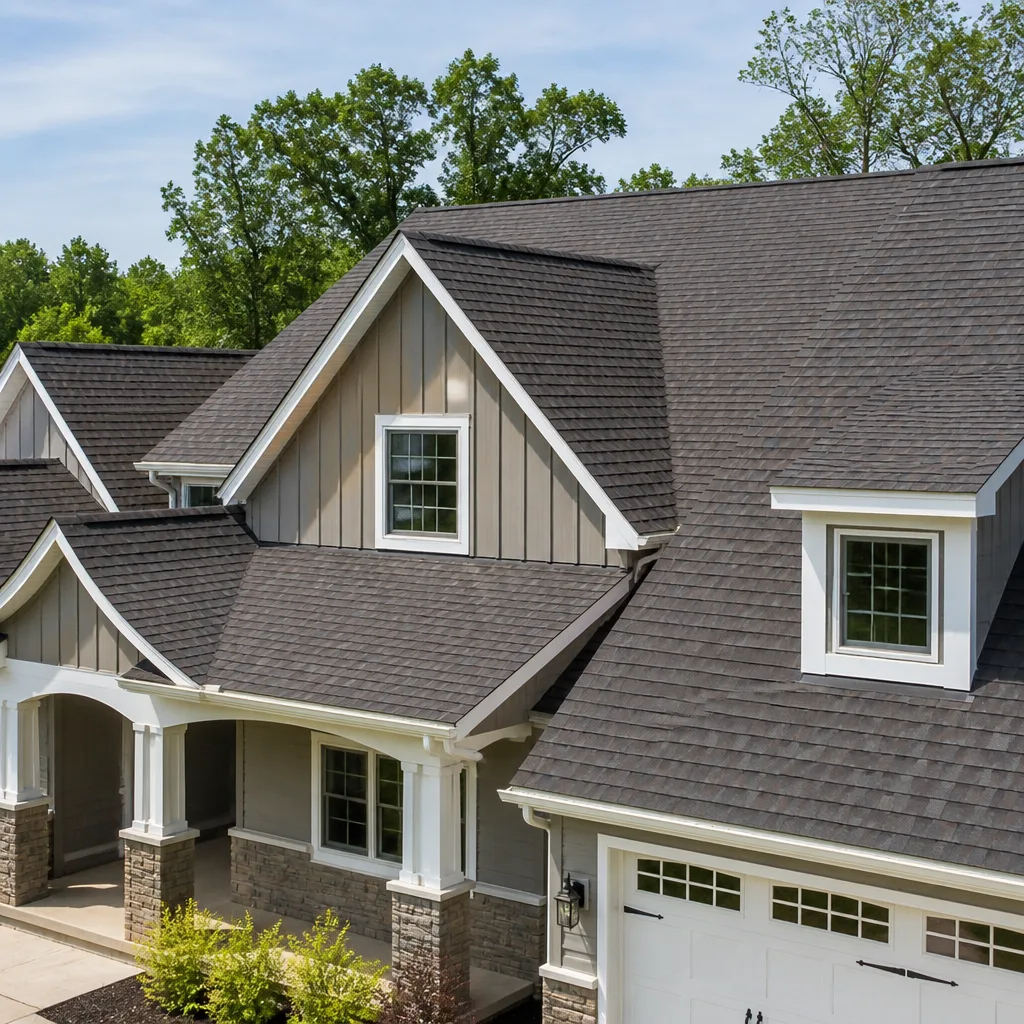
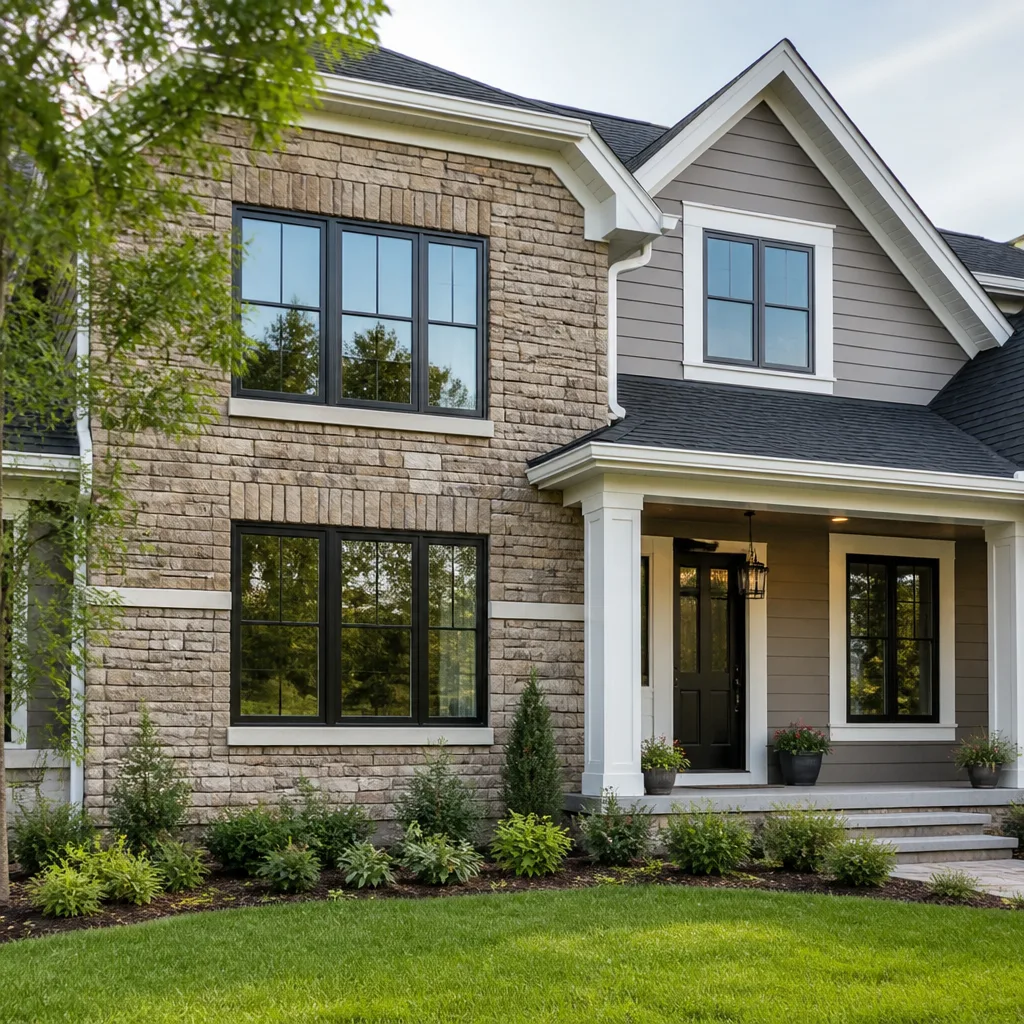
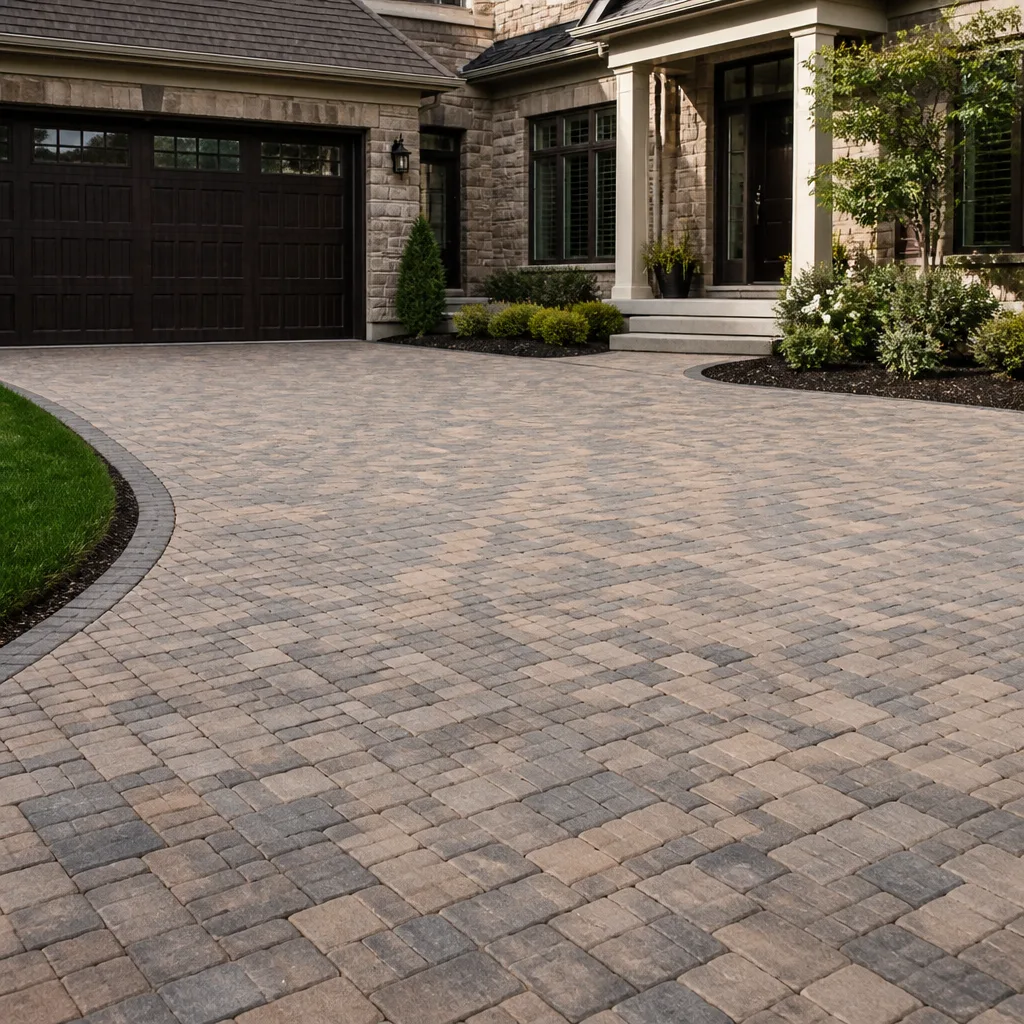
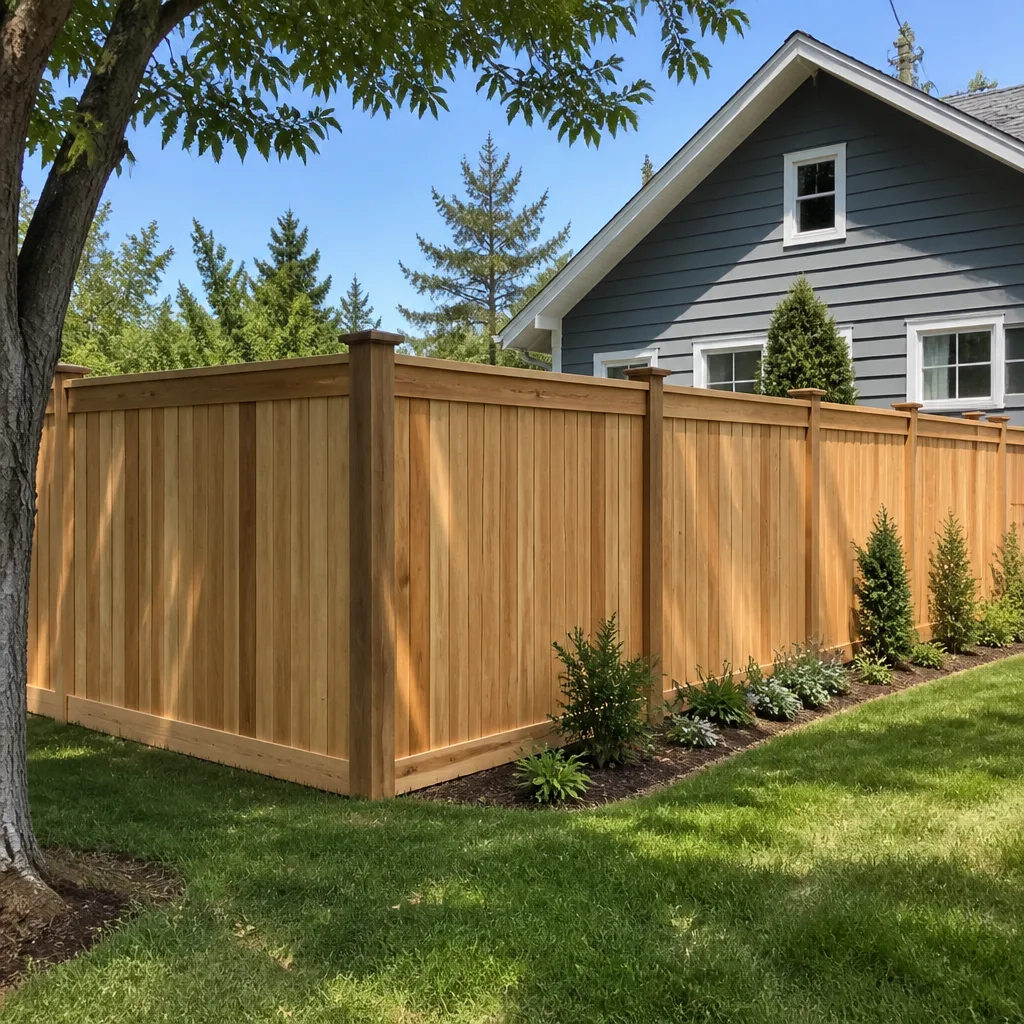
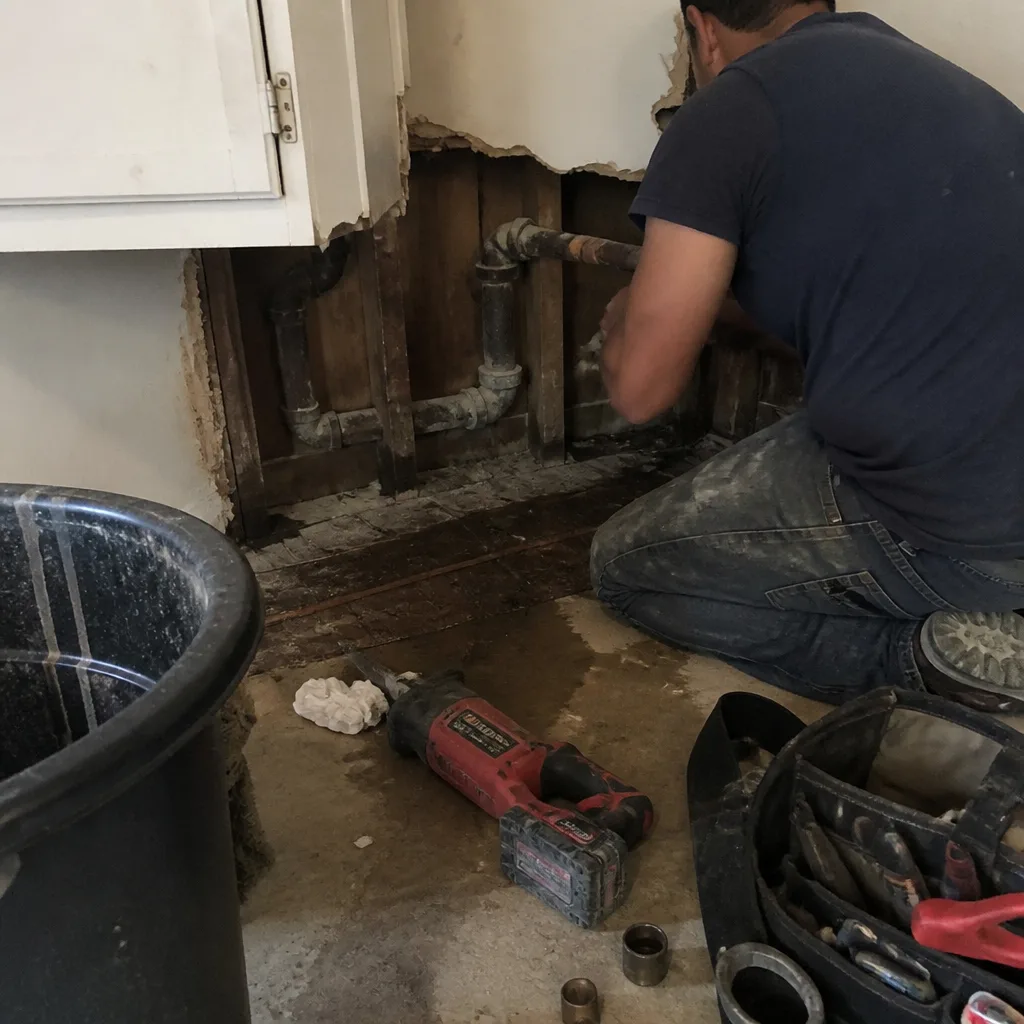 Before
 After
After Before
 After
After Before
 After
AfterBoxabl Home Additions & ADU: The Los Angeles Owner’s Guide
If you own a Boxabl home in Los Angeles and you’re planning an addition or ADU, the installed cost typically lands between $53,100 and $153,400, and that includes engineering, permits, site work, and all structural connections to your existing Boxabl module. Most owners reach out to us after discovering that finding a contractor who understands folded-plate steel construction, which is how Boxabl builds its shell, isn’t as simple as calling any framing crew. The good news: we work with Boxabl’s structural system regularly, and we’ll put a written price in your hands before anyone swings a hammer.
Here’s the situation you’re probably in. You bought a Boxabl because it was efficient, code-compliant, and fast to deploy. Now you need more space, and you’re realizing that bolting a conventional stick-frame addition onto a precision-manufactured steel module creates a set of problems most Los Angeles contractors have never had to solve. That’s where we come in. Rowan Construction Group is an independent contractor, not affiliated with Boxabl, and we’ve spent enough time on their structural drawings to know exactly what we’re connecting to.
Which Boxabl Models This Applies To
Boxabl currently produces one primary residential model, the Casita, which ships as a 19′ x 19′ module that unfolds to roughly 361 square feet. The compatibility question isn’t really about which model you have, it’s about which generation of the steel frame you’re working with. Earlier Casita units used a slightly different corner casting profile than current production runs, and that matters when we’re welding or bolting an addition ledger to the module. We verify the serial number on your chassis and cross-reference it against the structural drawings before any design work begins.
The aftermarket conversation is simpler than it sounds. For a Boxabl addition, you’re not swapping out a part, you’re building new conditioned space that ties into the module. The decision that actually matters is whether to source windows, doors, and roofing that visually match what Boxabl shipped from the factory, or to deliberately differentiate the addition. We’ve done both. Matching Boxabl’s exterior is harder than it looks: their wall panels are a proprietary sandwich construction, and off-the-shelf siding from a Los Angeles lumber yard won’t give you the same sight lines. We walk every owner through that tradeoff in the estimate, not after demolition starts.
Signs Your Boxabl Home Additions & ADU Is Failing
- Water staining at the module-to-addition seam. If a previous contractor didn’t detail the flashing correctly where a stick-frame addition meets the Boxabl steel wall, you’ll see staining within the first rainy season. Los Angeles gets maybe 14 inches of rain a year, but when it comes, any gap in that transition gets tested hard.
- Doors that stick or won’t latch in the summer. Steel expands and contracts at a different rate than wood framing. A poorly designed connection will bind doors between the module and the addition every August. That’s differential movement, and it means the attachment detailing was never right.
- Cracks running along the interior drywall at the connection point. This is the one we see most often. Hairline cracks that open and close with the seasons, almost always at the exact line where the Boxabl module meets the new work. It’s not a structural emergency, but it means the load path was never properly isolated.
- Condensation on the interior steel surfaces in winter. Boxabl’s insulation package works because the thermal envelope is continuous. Punch a hole in that envelope with a poorly insulated addition, and you’ll get cold spots, condensation, and eventually mold inside the module walls.
- The module’s original HVAC system can’t keep up anymore. Your Casita shipped with a sizing calculation that matched 361 square feet. Add 400 square feet of bedroom and the system is suddenly running 14 hours a day. We recalculate the load and upgrade before you live through a Los Angeles August under-ventilated.
BeforeAfterReplacement Cost & What’s Included
For a Boxabl home addition in Los Angeles, the installed range runs $53,100 to $153,400. The spread is driven by three things: square footage being added, whether the addition requires a new foundation (almost always yes in Los Angeles County, where building codes require detached footings for anything attached to a manufactured module), and the complexity of the structural connection to the existing steel frame. A simple 300-square-foot bump-out sits at the low end. A full second module with bathroom, kitchenette, and separate entrance is the six-figure territory.
Every quote includes the written scope, the engineering, the permits (we pull them), the foundation work, the structural connections, the roofing, windows, doors, drywall, paint, and finish work. You get a flat price with a written scope and a written warranty, no change orders until you sign them, and a documented photo record on every visit. Under Clause 1 of The Haven Standard, the price is written before anyone picks up a tool. If a competitor’s quote comes in lower, bring it to us. We’ll review it line by line at no charge.
DIY or Call Us?
There are things you can check on your own. Walk the exterior and look at the seam where the module meets any existing addition or skirting. If you see gaps in flashing, rust staining on the steel, or daylight through any joint, take photos and call us. Those observations help us write a more accurate scope before we arrive. What you should not do is attempt any structural modification to a Boxabl yourself. The frame is engineered as a complete unit, and cutting, welding, or bolting into it without understanding the load path can compromise the entire module.
The DIY boundary is the first structural fastener. Replacing a piece of interior trim around a door is fine. Connecting a roof ledger to the Boxabl steel header is not. If that connection fails, you’re not dealing with a cosmetic problem, you’re dealing with a water intrusion path and potentially a compromised shear wall. We’ve corrected enough of these to know the pattern. Call (470) 298-9650, describe what you’re seeing, and we’ll tell you honestly whether it needs our crew or just a tube of exterior sealant.
FAQs
A properly engineered and built addition connected to your Boxabl will last 50 years or more in Los Angeles, because the climate here is mild and the main threat is seismic movement, not moisture or freeze-thaw. The weak point is always the connection detail between the steel module and the new work, which is why we engineer every attachment point as its own isolated assembly rather than treating it like a standard room addition. Call (470) 298-9650 if you want us to inspect an existing connection that’s showing signs of movement.
Most connection failures can be repaired without tearing down the addition, and that repair usually runs $3,000 to $12,000 in Los Angeles depending on what’s exposed and what’s accessible. The fix involves opening the interior finish, adding properly detailed brackets and flashing at the steel-to-wood interface, and often installing an expansion joint so the two structures can move independently. If a previous contractor rigidly tied the addition to the module, we typically convert that to a floating detail. Estimates are free, so call (470) 298-9650 and we’ll tell you which situation you’re in.
A typical 300-to-500-square-foot Boxabl addition in Los Angeles takes 10 to 16 weeks from permit approval to final inspection. The slowest parts are always the same: engineering approval from the city, foundation cure time, and the precise work of tying into the steel frame. We don’t promise to beat the clock, we promise to show you the schedule in writing and stick to it.
We don’t stock Boxabl’s proprietary wall panels, because those aren’t sold as replacement parts, but we do maintain relationships with suppliers for the structural steel, Simpson Strong-Tie connectors, and waterproofing products we specify on every Boxabl connection. The brands we use across our work include KraftMaid, Cambria, and Silestone for finishes, and the structural materials are ordered per project to match your exact engineering package. We’ll source what the job needs, and it’s all listed in the written scope before we start.
Written by Grant Rowan, Owner, Rowan Construction Group at Rowan Construction Group, serving Los Angeles and nearby areas.