
Free written scope consultation - allowances, timeline, and change-order rules on paper before a single trade is scheduled
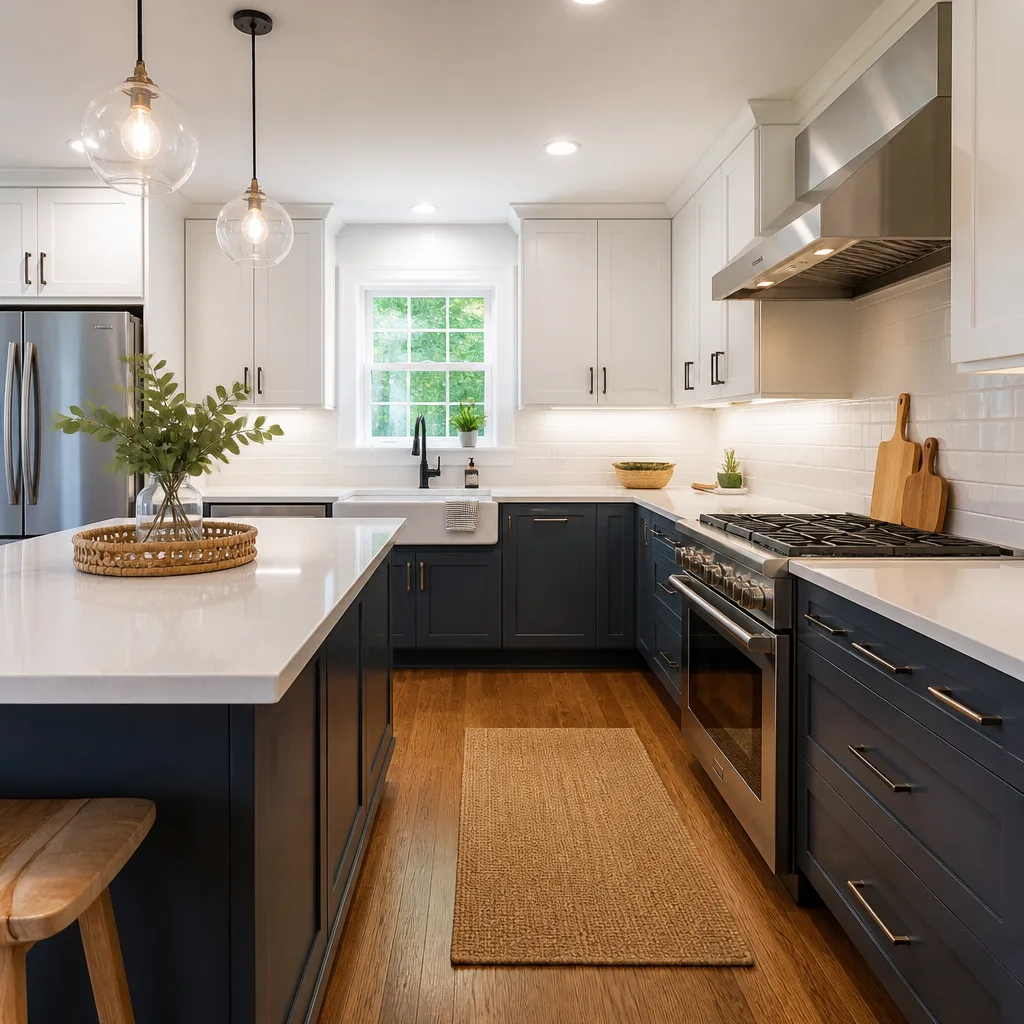
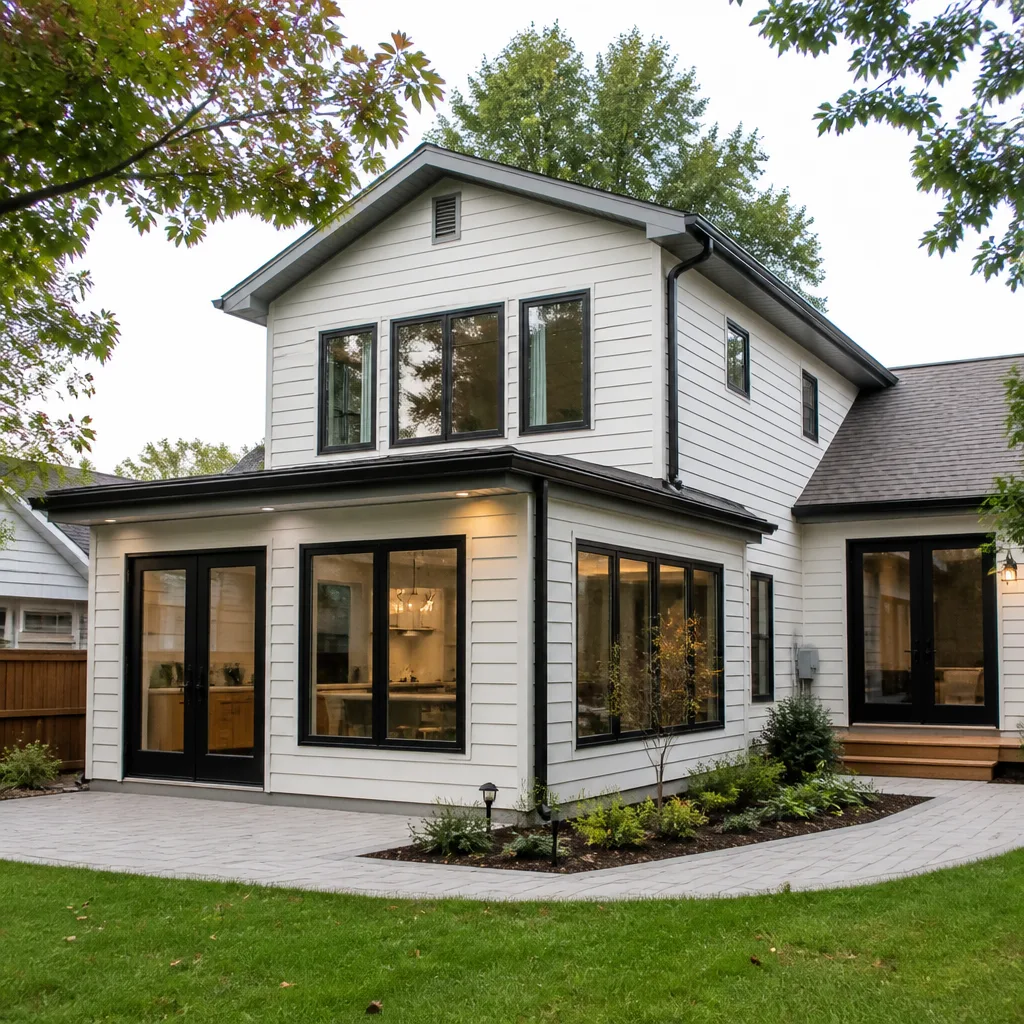
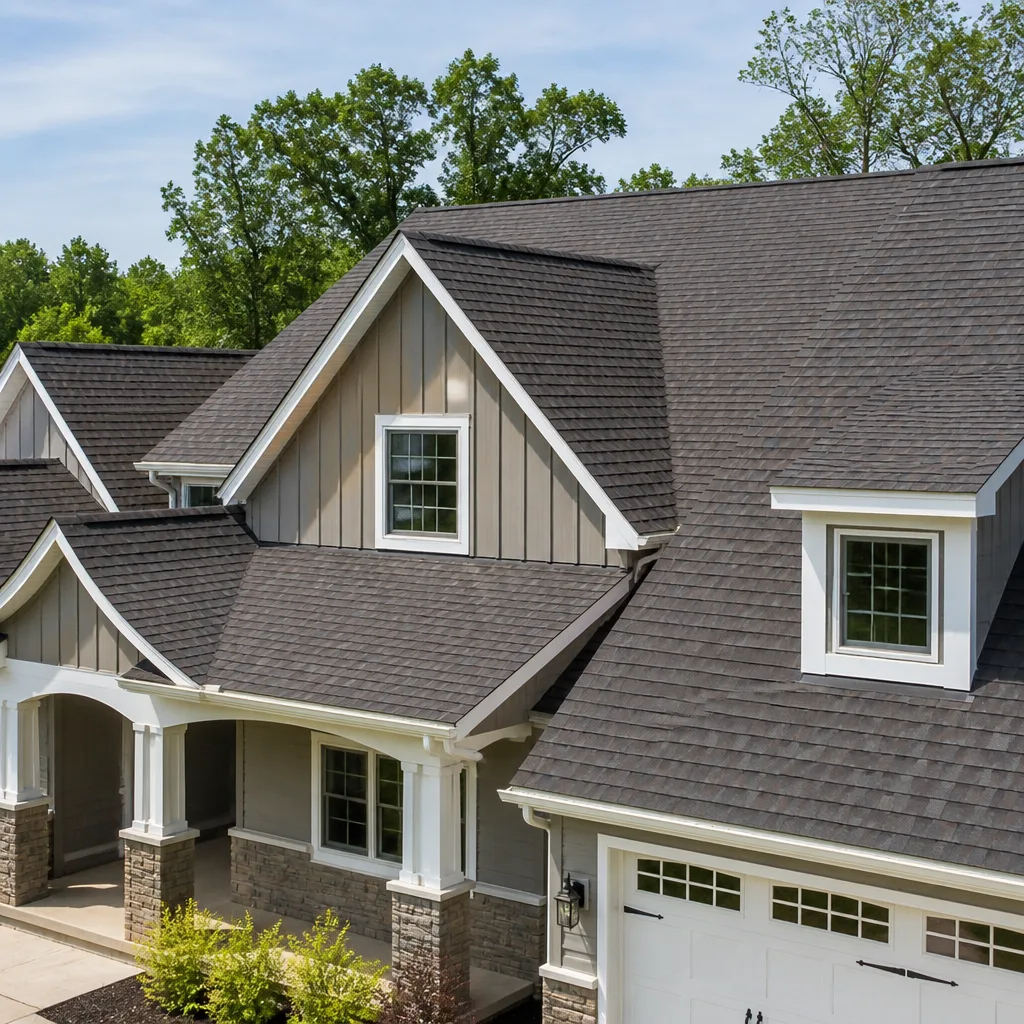
 Before
 After
After Before
 After
After Before
 After
AfterPlant Prefab Roofing: The Los Angeles Owner’s Guide
If you own a Plant Prefab home in Los Angeles and the roof is leaking, delaminating, or showing water stains on the ceiling, the fix is almost never a whole new roof. In most cases, the problem is a failed membrane seam, a compromised flashing detail, or a penetration seal that has given out after years of UV exposure and thermal cycling. We stock and install Plant Prefab-compatible roofing components, and a typical repair in Los Angeles runs $470 to $2,125 installed. A full roof replacement on a Plant Prefab structure runs $9,440 to $23,600 depending on the module count and roof area. Most owners discover the failure the same way: a brown stain on the ceiling after the first heavy rain of the season, or a musty smell in the upper corner of a module that wasn’t there last summer.
The roofing system on a Plant Prefab home is not the same as a stick-built roof. The modules arrive on site with their roofing already applied at the factory, which means the seams where modules join, the flashing at parapet walls, and the sealant around roof penetrations are all site-installed details that depend on the installer’s care. Those details are where we find problems. The factory-applied membrane is rarely the failure point. The transition is.
Which Plant Prefab Models This Applies To
Plant Prefab has produced several distinct housing lines over the years, and the roofing compatibility question depends on which generation you own. The original LivingHome series, built from 2006 through roughly 2019, shipped with a range of roofing membranes including TPO and modified bitumen depending on the project specs. The Plant Prefab series that followed, along with the current panelized and module-based designs, generally use a low-slope membrane roof with parapet edges, which is standard for the flat and near-flat roof profiles the company favors.
The practical question when we arrive at a Los Angeles home is not “what brand is this” but “what membrane is installed and what condition is the substrate in.” We identify the membrane by checking for manufacturer markings on the sheet and measuring the thickness with a gauge, not by guessing. If you have the original build documents from Plant Prefab, the roofing spec page tells us exactly what was specified. If you don’t, we can identify it on site in under ten minutes. The OEM-versus-aftermarket decision matters less for roofing membranes than for mechanical components, because the membrane manufacturers, Carlisle, GAF, Firestone, sell through independent supply channels anyway. What matters is that the repair membrane is chemically compatible with the existing sheet, because incompatible membranes won’t weld at the seam, and a seam that won’t weld is a leak waiting for the next rain.
Signs Your Plant Prefab Roofing Is Failing
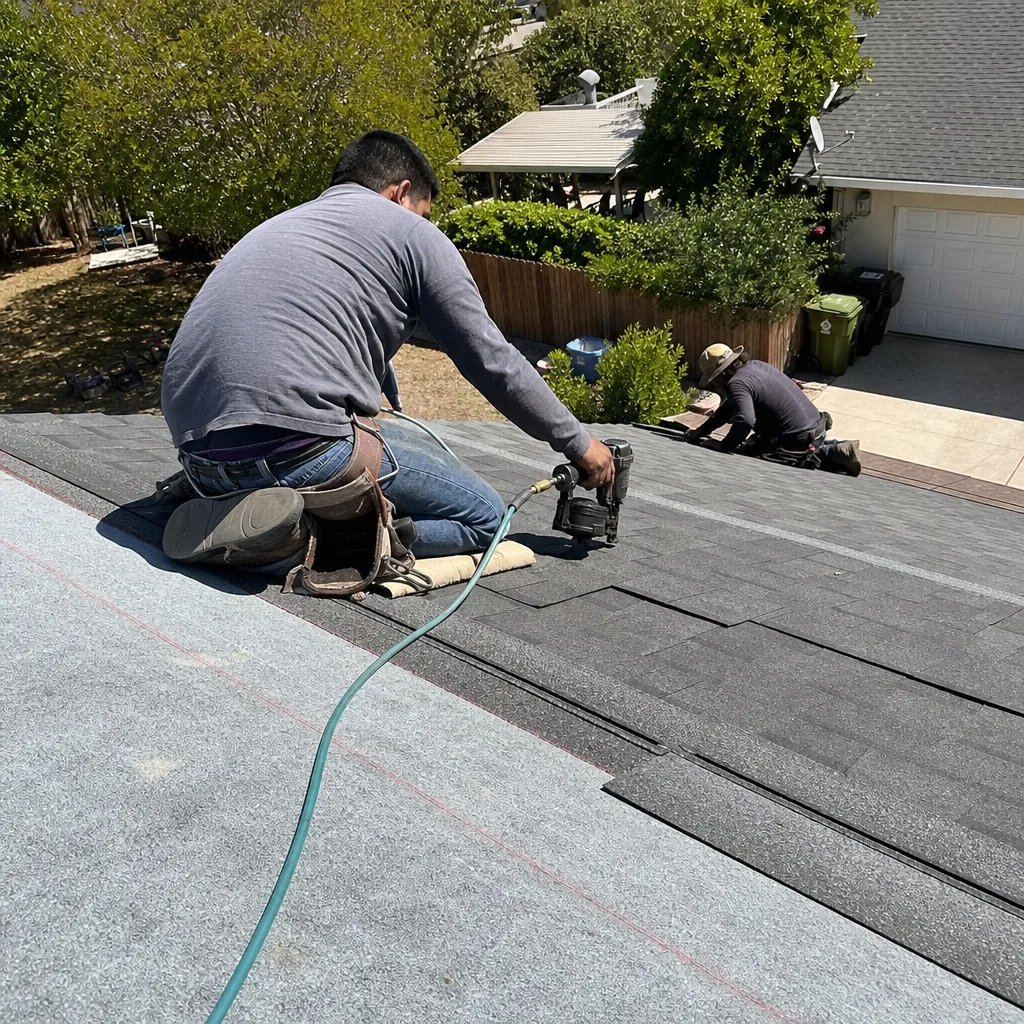
- Water stains on the ceiling near a module joint. This is the most common symptom we see in Los Angeles. The factory roof is fine. The field-applied seam cover where two modules meet has opened up, usually because the sealant cured out and lost adhesion. The fix is cleaning the seam, applying a compatible seam cover, and re-sealing the edges.
- Membrane wrinkles or “tenting” near drain outlets. When a membrane pulls away from the substrate at a scupper or roof drain, water can work underneath it. In Los Angeles, the dry-season heat softens the adhesive and the membrane shifts. We find this on south-facing roof sections more than anywhere else.
- Peeling or bubbled coating on a white membrane. Plant Prefab roofs with a reflective white top coat will eventually show blistering as the coating loses bond. A blister that pops becomes an open sore in the membrane. Coatings are maintenance items, not permanent surfaces.
- Water ponding that lasts more than 48 hours after rain. Ponding water accelerates membrane degradation and indicates a sag in the roof structure or a blocked drain. Los Angeles gets roughly 15 inches of rain a year, but when it comes, roofs that pond are the ones that leak.
- Damp drywall or peeling paint at the top of an exterior wall. This points to a flashing failure at the parapet or roof edge, not the field of the membrane. We trace the moisture path backward from the stain to the source. On Plant Prefab modules, the parapet cap flashing is a common culprit because it’s applied after the modules are set.
BeforeAfterReplacement Cost & What’s Included
The installed price for Plant Prefab roofing work in Los Angeles breaks down like this. A targeted repair, which covers one seam, one penetration, or one flashing detail, runs $470 to $2,125. A membrane re-coat over the full roof surface runs in the $4,000 to $8,000 range depending on square footage. A full membrane tear-off and replacement runs $9,440 to $23,600, with the spread driven by roof area, membrane type, and whether the underlying sheathing needs repair.
Per our practice under The Haven Standard, you’ll get a written flat price before any work starts. The quote includes the membrane material, the seam primer and adhesive, the labor, the disposal of removed material, and a written workmanship warranty. There is no charge for us to come out, inspect the roof, measure it, and give you the number in writing. You’ll also receive a photo record of everything we found and everything we did, which is included on every visit, not added as a line item. If we find something that changes the scope, no work proceeds until you’ve signed a change order with the new number on it.
DIY or Call Us?
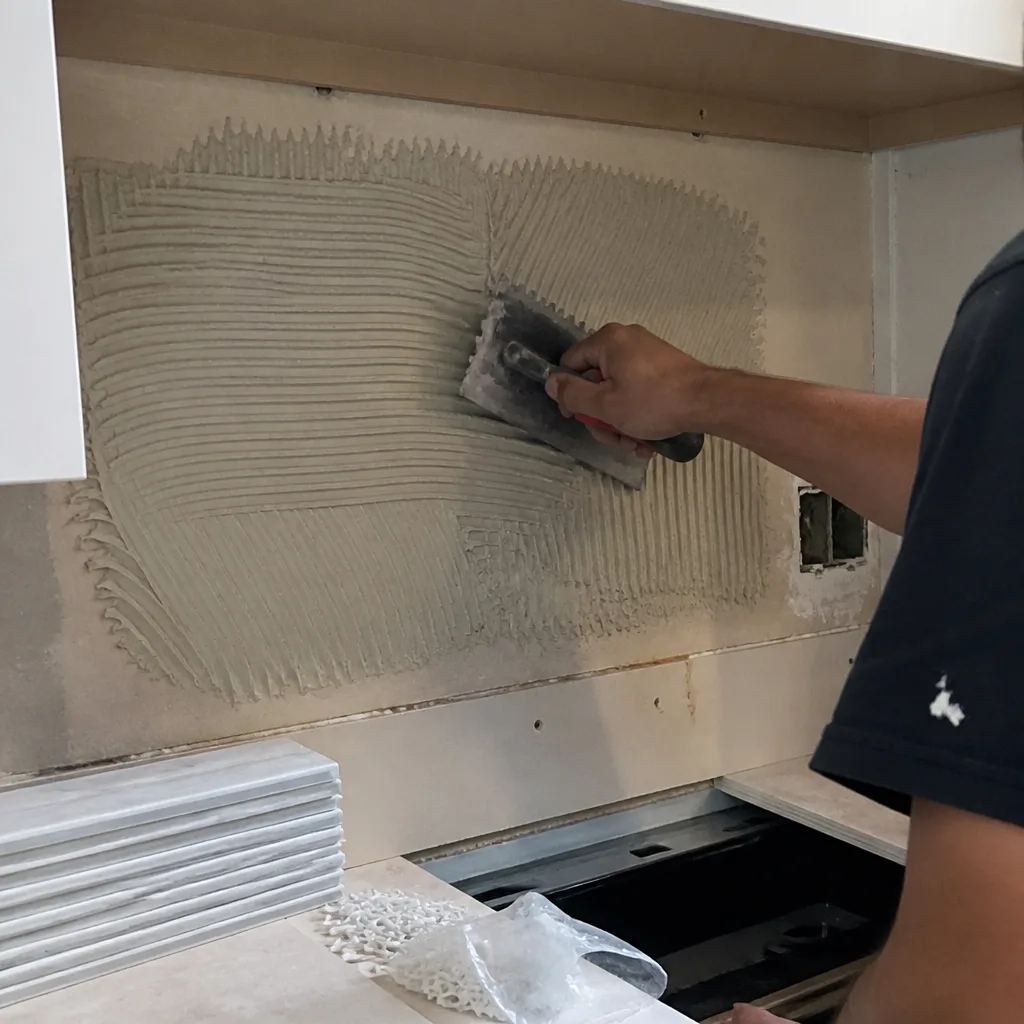
What you can safely do yourself: inspect your ceilings after rain, walk the perimeter of the home and look at the parapet caps and scupper openings from the ground, and take photos of anything that looks off. What we don’t recommend is getting on the roof and attempting a membrane patch. Low-slope membrane work requires surface preparation, compatible primers, and seam welding technique that is not forgiving of first attempts. A poorly welded seam will hold for six months and then fail in the middle of a January storm, when the damage is already done to your drywall.
If you want to assess before calling, check your build documents for the roofing spec page. Take photos of any stains, wrinkles, or blisters you can see. Then call (470) 298-9650 to have us walk the roof. The inspection and written estimate cost you nothing, and under our 365-Day Done Right Promise, if the work is not done right, we make it right.
FAQs
How long does a Plant Prefab roof last in Los Angeles?
Most Plant Prefab roofs carry single-ply membranes rated for 20 to 30 years, but the real-world lifespan in Los Angeles depends heavily on UV exposure, how well the field seams were installed, and whether the roof was re-coated on schedule. South-facing sections degrade faster because they absorb more direct sun. We regularly see membranes that reach year 15 in serviceable condition and others that need attention at year 10. The site-installed details, seams, flashings, penetrations, are the variables. Call (470) 298-9650 for an inspection and we’ll give you an honest read on remaining life.
Can a Plant Prefab roof be repaired instead of replaced?
In most cases, yes. A failed seam, a leaking penetration, or a deteriorated parapet flashing can be repaired without touching the rest of the roof. Replacement becomes the better option when the membrane has widespread blistering, the substrate is water-damaged, or you’re chasing multiple leaks across different roof sections. The written estimate we provide will lay out the repair option and the replacement option side by side, with honest numbers on each.
How long does a Plant Prefab roof repair take?
A single-seam repair or flashing replacement is usually done in one day, including cleanup and the photo documentation walkthrough. A full membrane re-coat typically takes one to two days depending on roof area and weather. A full replacement runs three to five days on most Plant Prefab homes. We’ll give you a written schedule with the written quote, and you’ll know what to expect before the crew arrives.
Do you stock Plant Prefab-compatible roofing parts?
We carry the common repair materials on our trucks: seam tape and primer, TPO and PVC membranes, sealants, and flashing stock compatible with the roofing systems Plant Prefab specifies. For uncommon membrane brands or custom-colored sheets, we order from our suppliers and typically have material in hand within a few days. We also work with dozens of other material brands, including KraftMaid, Cambria, and Silestone on the interior side, but roofing is our focus when it comes to keeping your Plant Prefab home weathertight.
Written by Grant Rowan, Owner, Rowan Construction Group at Rowan Construction Group, serving Los Angeles and nearby areas.