
Free written scope consultation - allowances, timeline, and change-order rules on paper before a single trade is scheduled
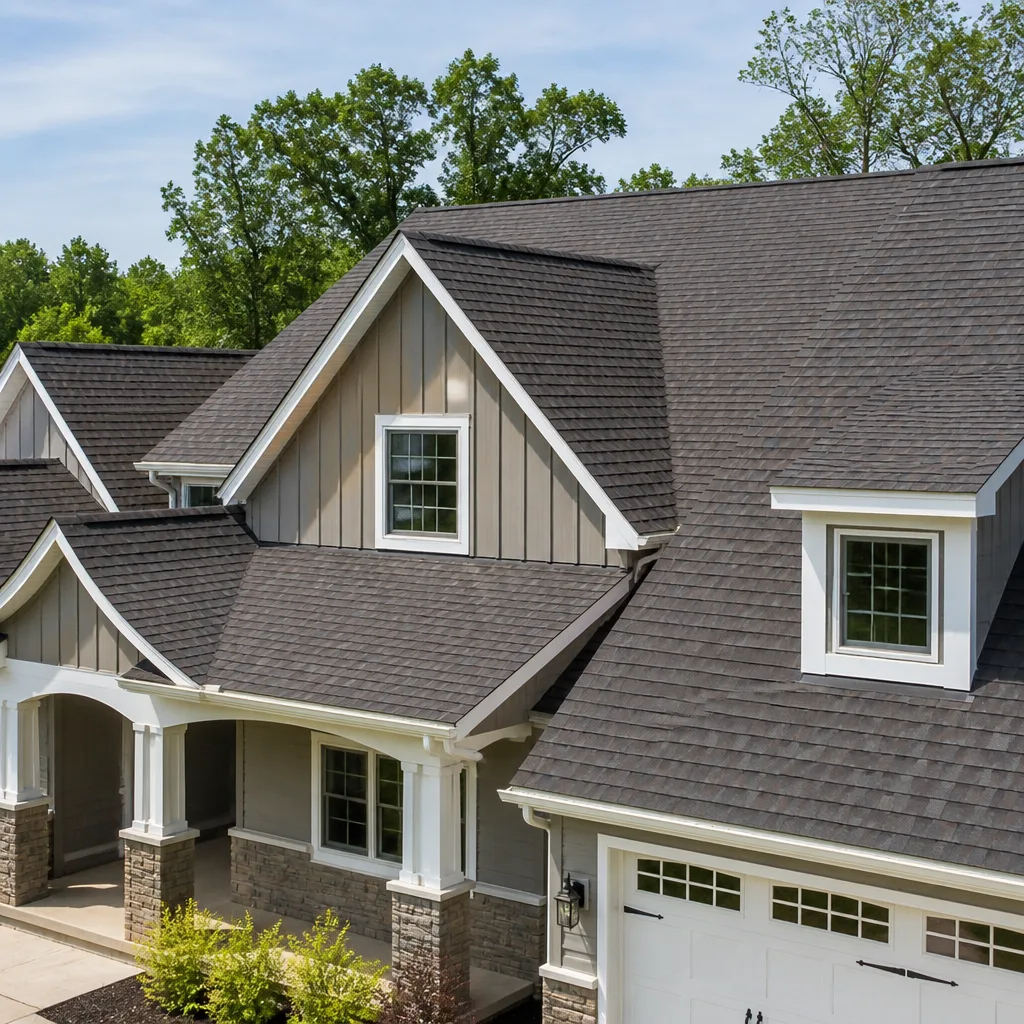
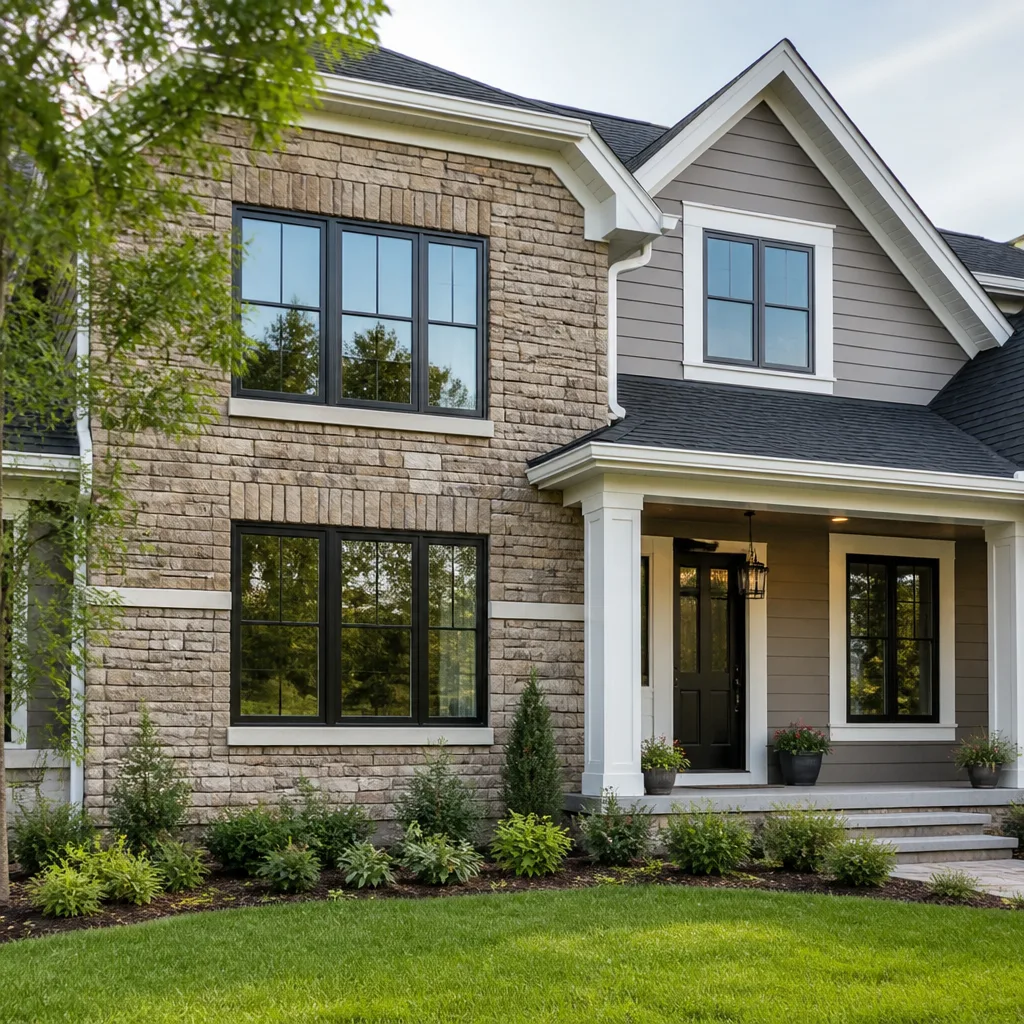
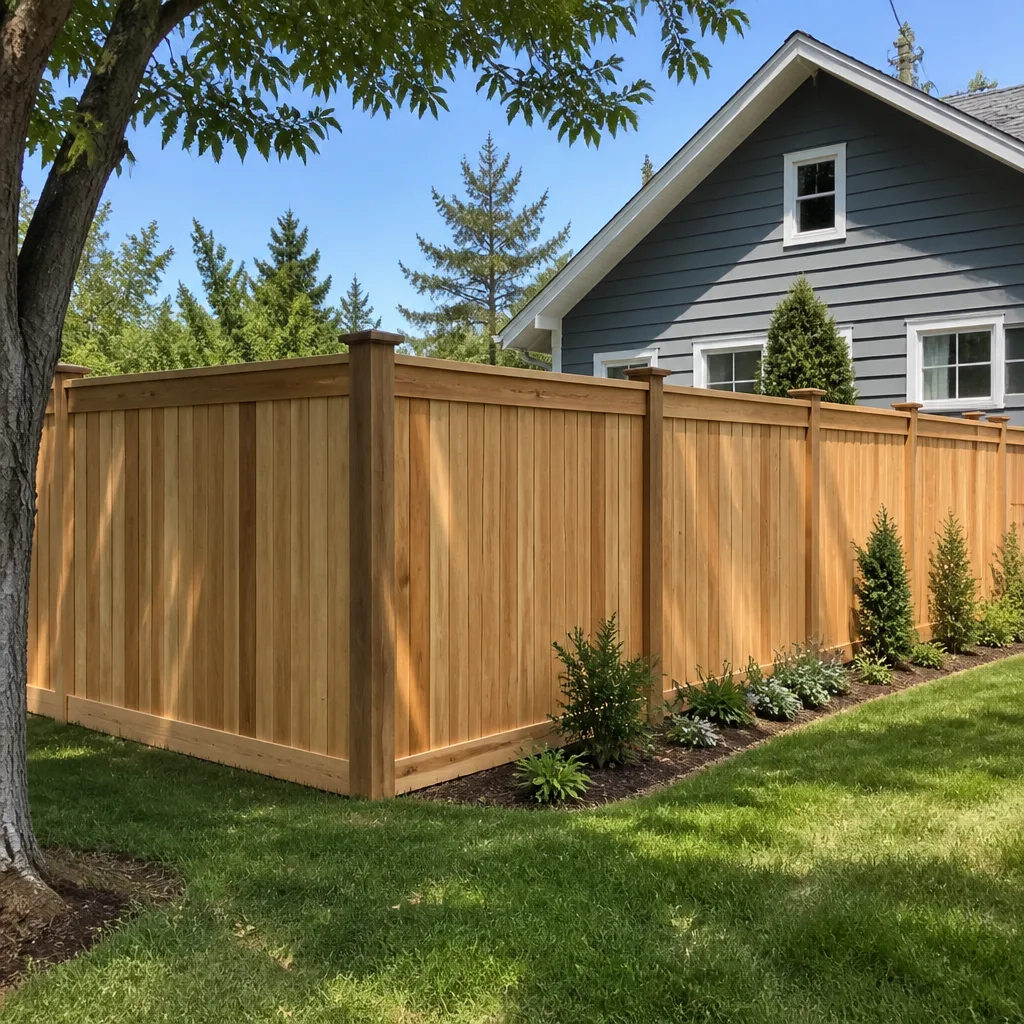
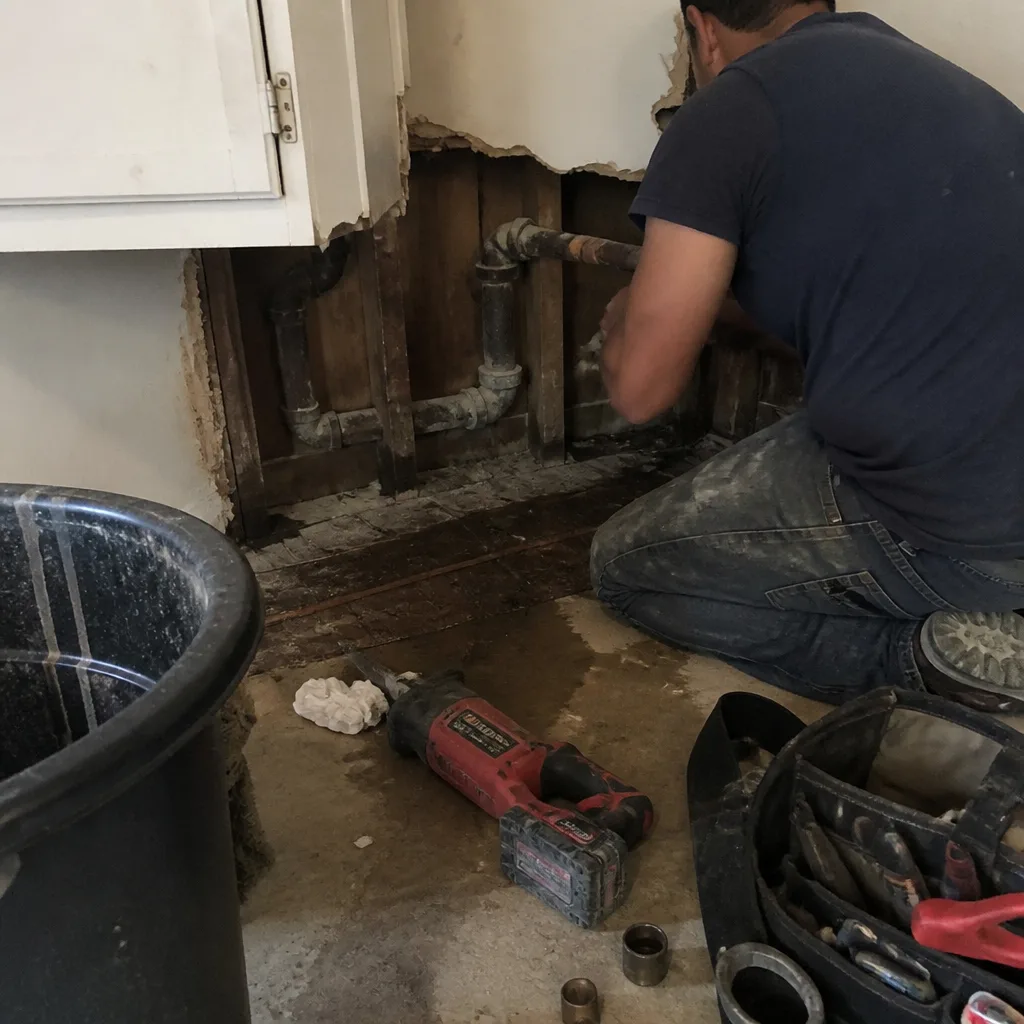 Before
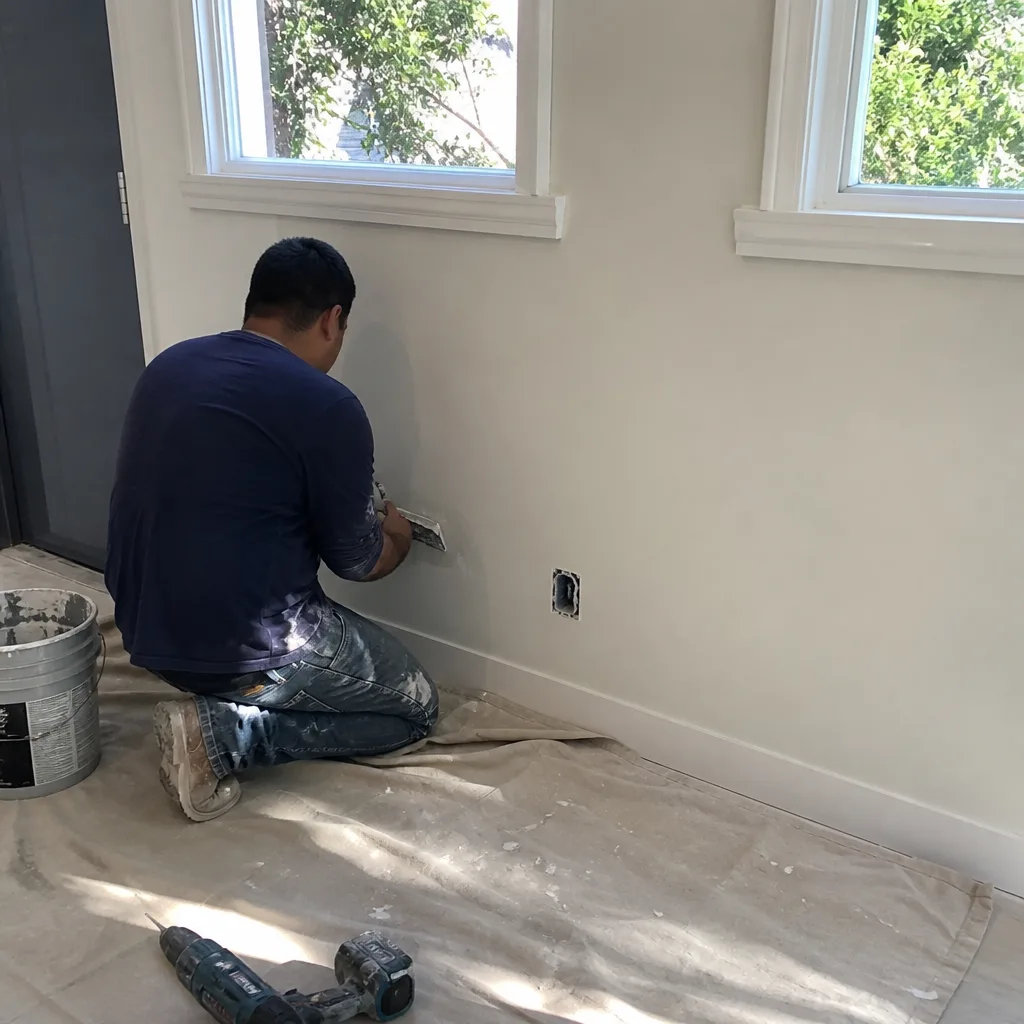 After
After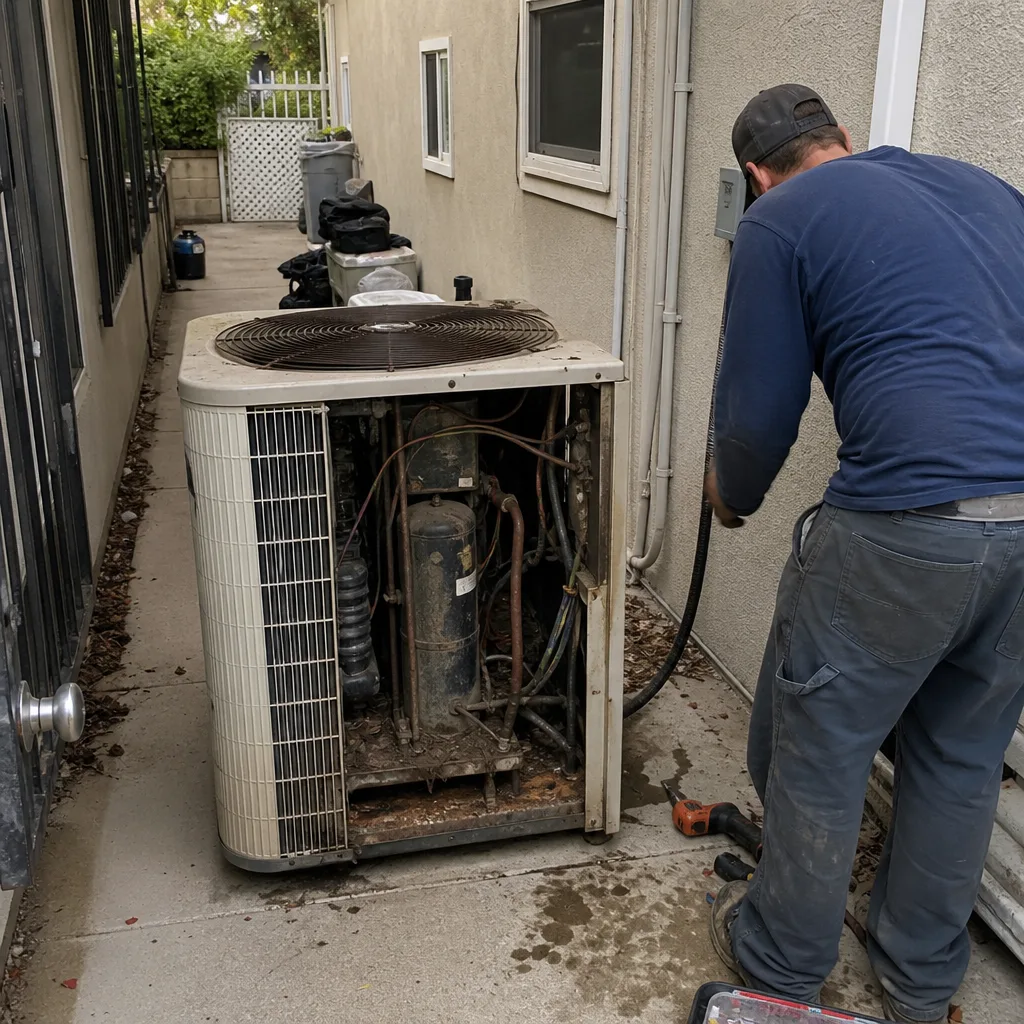 Before
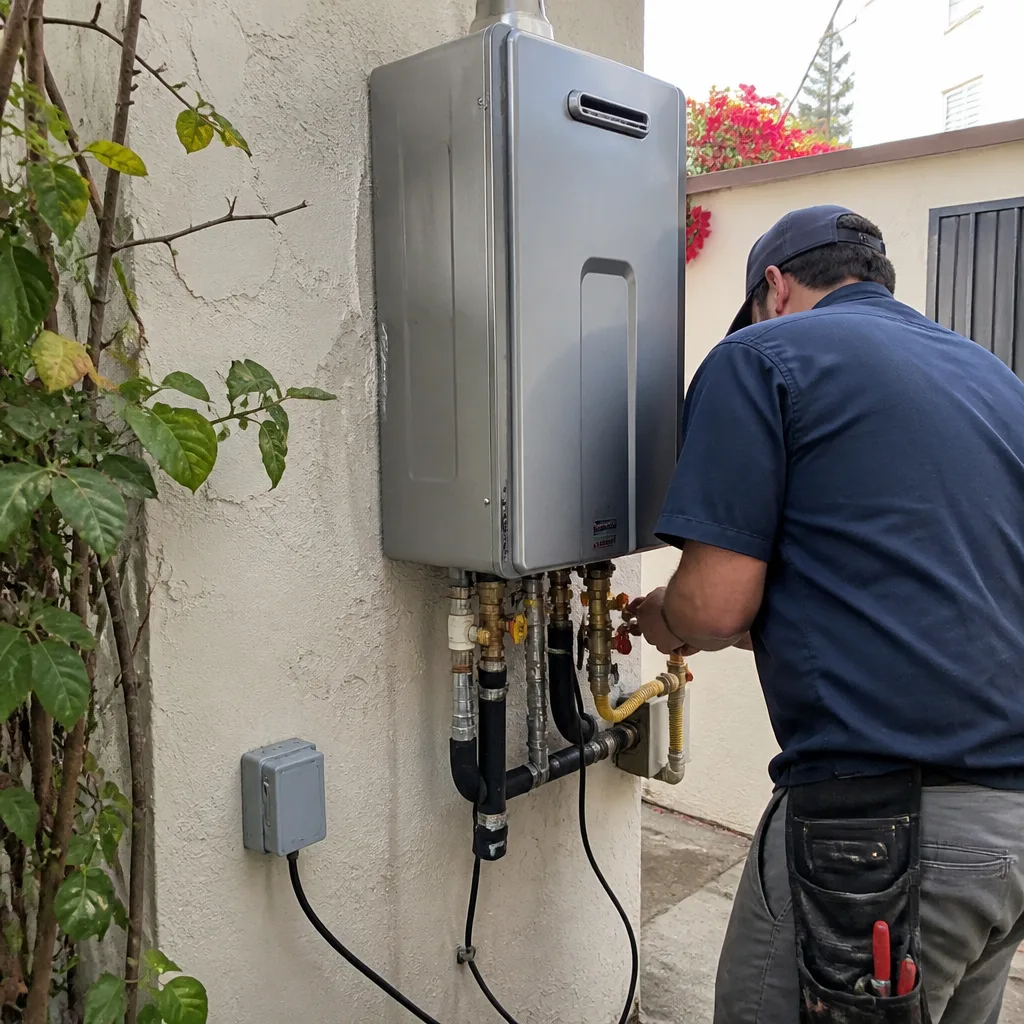 After
After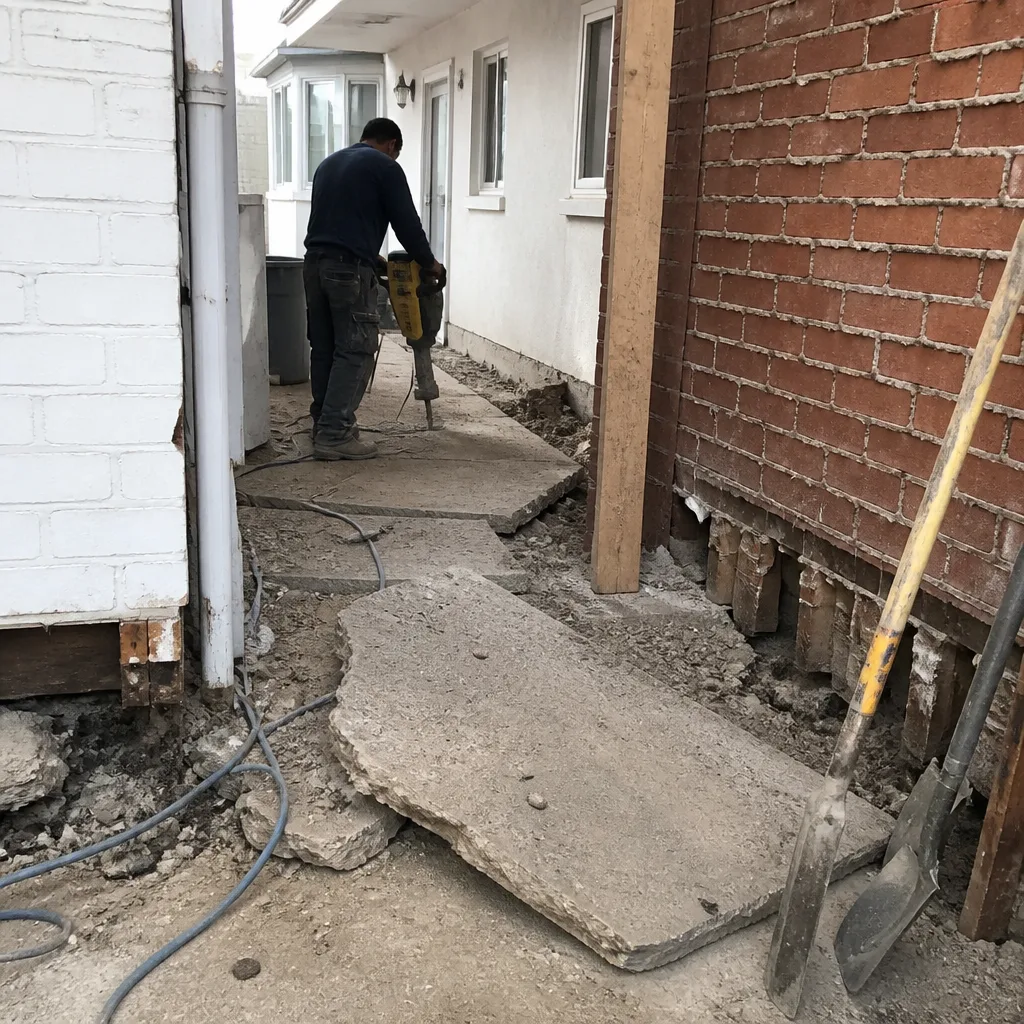 Before
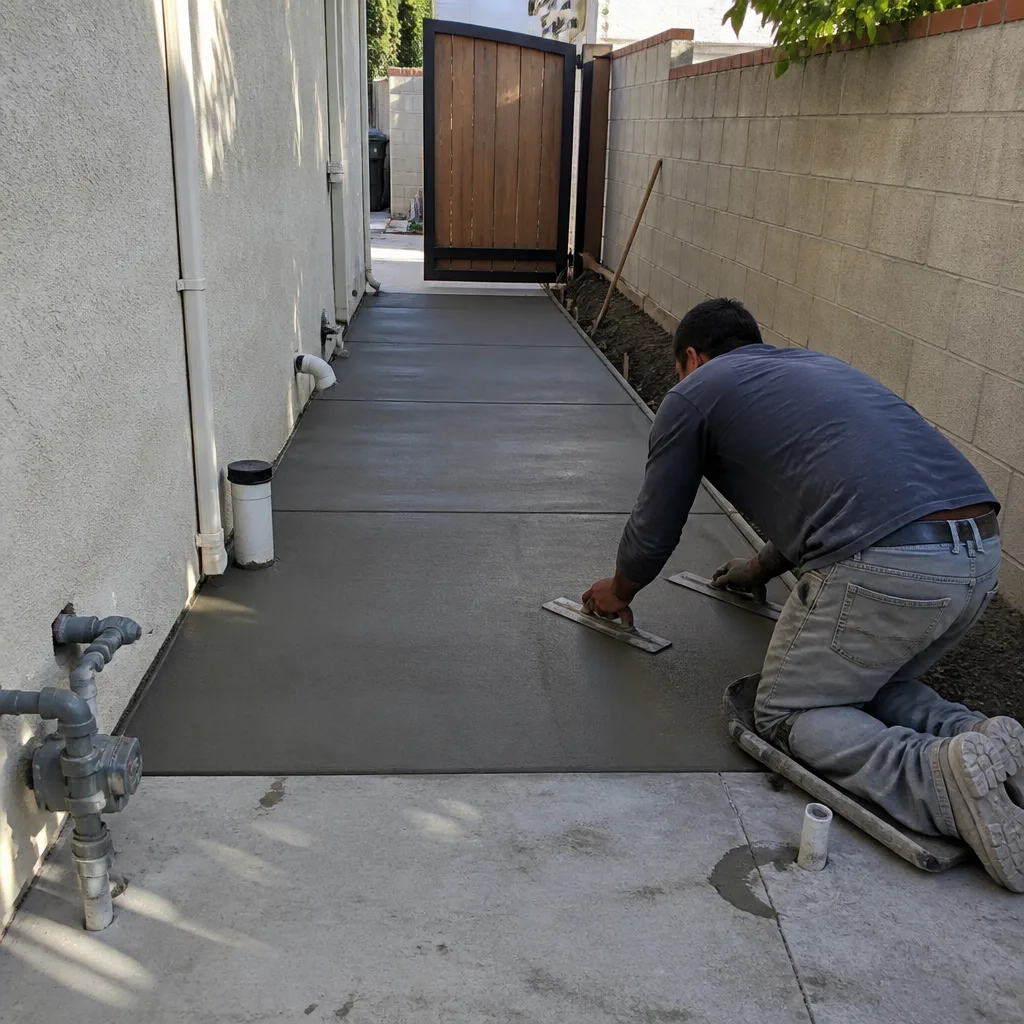 After
AfterFast, Reliable Fence Installation Across Daytona Beach
Fence installation in Daytona Beach runs $3,500-$9,000 for a typical vinyl fence, and $4,000-$10,000 for aluminum on a standard residential lot. The number that actually matters here is the spec: salt air on the barrier island corrodes standard galvanized post hardware within a few years, so we quote coastal-grade stainless and hot-dip fasteners as the default, not an upgrade. Our crews serve Daytona Beach from our South Florida dispatch office, and we answer the phone at (470) 298-9650 when you call.
What makes Daytona Beach different from inland Volusia County is the same thing that makes it different from Orlando or Melbourne: Atlantic salt mist on one side, Halifax River brackish humidity on the other, and a housing stock full of 1950s-1970s concrete-block homes. In Midtown, Derbyshire, and along the A1A corridor between Seabreeze Boulevard and Silver Beach Avenue, we see fence failures that inland contractors never have to think about. Galvanized posts rusting through at ground level. Concrete spalling where old slabs meet new post cores. Wind-load blowdowns on privacy fences that were built to inland spec but sit in a coastal exposure zone.
We write the price before we touch the ground. That includes the coastal hardware spec. Not as a change order. If you’re pricing a fence in Daytona Beach, call (470) 298-9650 and get a number in writing.
Why Rowan Construction Group Is Daytona Beach’s Preferred Fence Installation Company
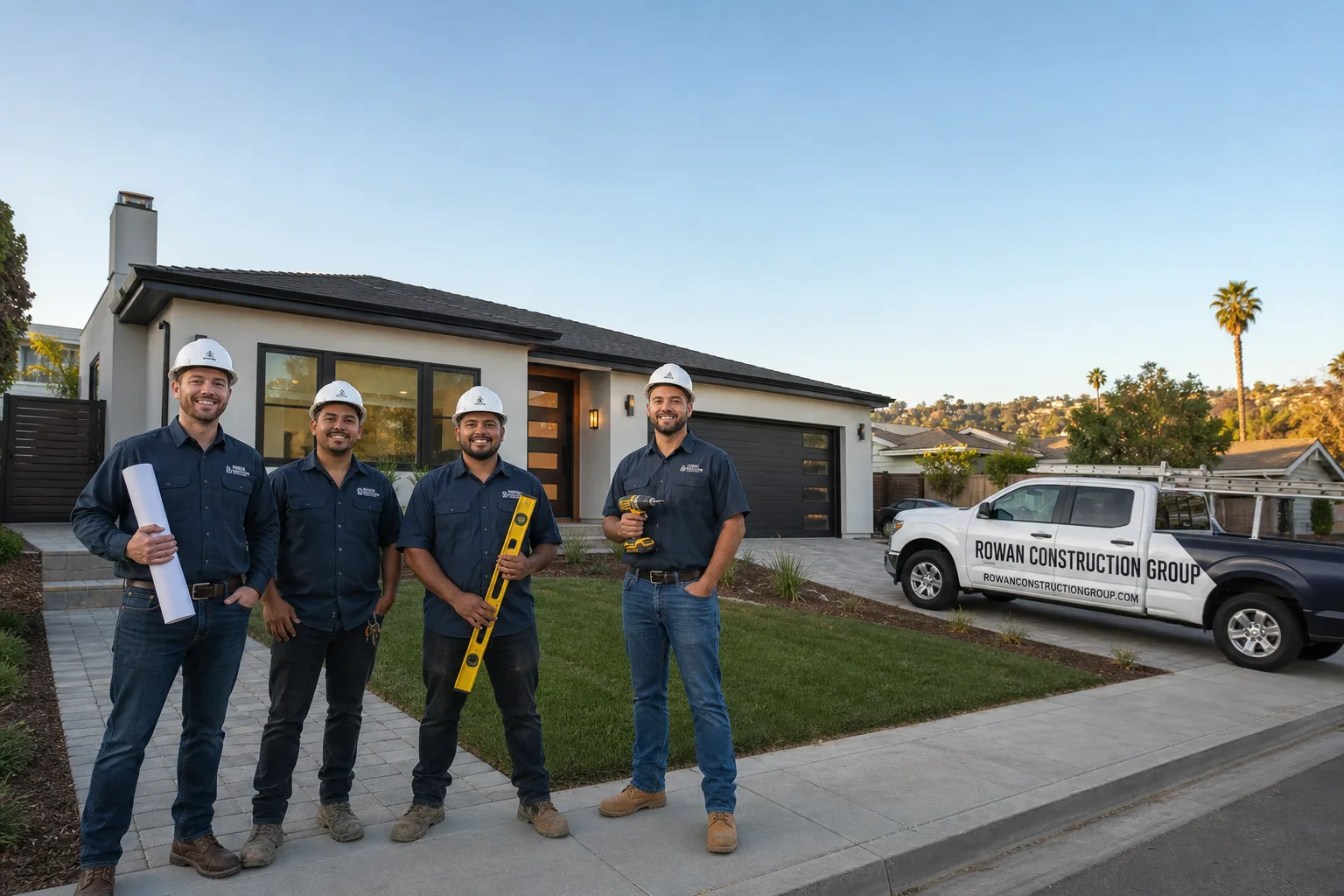
Rowan Construction Group has delivered more than 4,000 projects since 2007, every one with a written price before work started and a documented photo record when the crew left. We are not new to this kind of site condition. Our crews work the beachside corridor regularly, which means we already know what happens when a hammer drill hits rebar in a 1960s carport slab on Derbyshire Road. We plan for it. The quote reflects it. Under Clause 1 of the Haven Standard, the price is written before anyone starts, and no work proceeds on a change until the change order is signed. That discipline is the reason our projects finish within a few percent of the number the customer agreed to.
We bring background-checked, uniformed technicians to every Daytona Beach job. A live person answers calls 24/7. Every visit includes a photo record showing what we found and what we did, which matters on a fence job where half the work is underground and underwater. The 365-Day Done Right Promise means something specific here: if a post shifts or a gate sags within the first year, we come back and make it right. Not as a favor. As a term.
Our Fence Installation Services in Daytona Beach
Most of what we install in Daytona Beach falls into two categories: aluminum and vinyl. Wood and chain link still have their place, but the salt-air corridor changes the math. Here’s how each one holds up here.
Aluminum Fence
Aluminum is the workhorse on A1A-facing lots. Powder-coated aluminum panels do not rust, and when we set the posts in marine-grade epoxy with stainless hardware, the assembly outlasts galvanized steel by a factor of three. For a 1960s beachside condo conversion near the Daytona Beach Bandshell, aluminum is what we specify every time. The cost lands between $4,000 and $10,000 depending on linear footage, gate count, and whether the existing slab is spalling. Fence Installation of this type on the barrier island almost always involves core drilling into old concrete, not digging fresh post holes in soil.
Vinyl Fence
Vinyl fence in Daytona Beach runs $3,500-$9,000. PVC does not corrode, but the posts are only as good as the hardware connecting them to the ground. We use stainless brackets and hot-dip galvanized structural posts inside the vinyl sleeve; the sleeve hides the steel, and the steel is what fails inland. On a Woodland Avenue lot with sandy soil and salt exposure, this is the difference between a fence that leans after three hurricanes and one that holds.
Fence Repair
Most repair calls on the beachside are not about the panel. They are about the base: a galvanized post that rusted through at the concrete line, a gate that sagged when the hinge screws corroded, a section that blew over in a storm because the original footings were 24 inches deep where Volusia County’s coastal exposure requires 30-plus. Coastal corrosion remediation on an existing fence typically runs $400-$1,800 depending on how many posts need re-anchoring and whether the concrete around them is spalling. We repair what is worth repairing and tell you when replacement is cheaper. That is a judgment call, and we make it on the record, in the photo log.
Wood Fence
Wood fence in Daytona Beach is a maintenance commitment. Constant salt humidity means even pressure-treated pine needs resealing every two years, and fasteners need to be stainless or they will bleed rust streaks down the pickets within 18 months. We build wood fences for customers who want the look, and we quote them with the honest caveat: on the barrier island, wood costs more to own over a decade than aluminum. That is not a sales pitch. It is arithmetic.
What happens when you call
- 1
A real person answersNo phone trees - you reach a local pro.
- 2
You get an upfront price rangeHonest numbers before anyone is dispatched.
- 3
A background-checked tech heads outLicensed & insured, dispatched right away.
- 4
You approve before work beginsNothing starts until you say go.
BeforeAfterTrusted Brands We Service in Daytona Beach
We source our fence materials from brands with documented coastal performance records, not whatever is cheapest at the supply house. For structural systems, we stay current with manufacturers including Abodu, Cover, and Dvele, whose panel and anchoring components are engineered for salt-spray endurance rather than inland residential use. Our Daytona Beach customers get the advantage of fifty-plus vetted brands in our sourcing network. That means the written quote reflects honest wholesale numbers, not inflated retail guesses, and the parts arrive pre-matched to the job’s coastal exposure category.
Common Fence Installation Problems We See in Daytona Beach Homes
Here is what actually fails on a Daytona Beach fence, in order of how often we see it:
- Galvanized post failure at the concrete line. Atlantic salt mist accelerates the galvanic reaction between the zinc coating and the steel. On A1A-facing lots, we see posts rust through in three to five years where an inland equivalent lasts fifteen. The fix on new work is hot-dip galvanized structural posts or stainless anchors, specified from day one.
- Concrete spalling around post cores. When we core drill into a 1960s beachside slab on Pelican Bay Drive or Peninsula Drive, the coring often exposes rebar that has been corroding inside the concrete for decades. The rebar expands as it rusts, blowing out the concrete face. If we set a post in that hole without addressing it, the new pour cracks within a season and the post loses its anchor.
- Wind-load blowdowns on privacy fences. Volusia County’s coastal exposure requirements demand deeper footings and tighter post spacing than inland codes. A privacy fence built to Orlando or Kissimmee standards, with 8-foot post spacing and 24-inch footings, will not survive a Category 1 gust off the ocean. We see them failing in the Caribbean Jack’s neighborhood and along the Tomoka River bends.
- Wood pickets bleeding rust from wrong fasteners. Builders often use electro-galvanized nails or screws on wood fences because they are cheaper. In Daytona Beach humidity, they stain the pickets within eighteen months. We spec stainless on every wood fence we build here, and the price difference on a typical residential run is a few hundred dollars, not thousands.
Pricing for Fence Installation in Daytona Beach, FL
A complete fence installation in Daytona Beach, Daytona Beach across most neighborhoods, falls into these ranges:
| Fence Type or Service | Typical Daytona Beach Price Range |
|---|---|
| Vinyl Fence Installation | $3,500-$9,000 |
| Aluminum Fence Installation | $4,000-$10,000 |
| Fence Repair (coastal corrosion remediation) | $400-$1,800 |
What moves the number is linear footage, gate count, the condition of the concrete you are anchoring into, and whether the lot sits west of the Intracoastal or east of it. A beachside lot with spalling slabs costs more up front because the substrate work is real work. We would rather tell you that in the quote than surprise you with it after we core the first hole. If you have a competitor’s written estimate, bring it to us. We will review it line by line at no charge, and we will tell you if the hardware spec is coastal or inland. Call (470) 298-9650 for a free estimate, and you will leave the conversation with a number you can screenshot.
We Also Serve Cities Near Daytona Beach
Our crews work throughout Central Florida, not just Daytona Beach. We regularly serve Fence Installation customers in Orlando, Kissimmee, Melbourne, and Gainesville. The coastal-spec issue belongs mostly to the barrier island; inland jobs get a different quote with different hardware, because they need it less. The written-price rule applies everywhere.
Serving Daytona Beach, FL - Our Local Coverage Area
We’re based in the Daytona Beach area and know this community well. Use the map below to see our service coverage - if you’re nearby, we can almost certainly help.
FAQs - Fence Installation in Daytona Beach
Because the salt air on the barrier island corrodes standard galvanized hardware in three to five years instead of fifteen, and the wind loads off the Atlantic demand deeper footings than inland code requires. We spec stainless anchors or hot-dip galvanized structural steel as the standard on every Daytona Beach beachside fence, not as an upsell. If a quote for a barrier island fence does not name the hardware grade, ask what they are burying in the ground. Call (470) 298-9650 and we will put the spec in writing.
Most likely yes, and you want to know before the crew shows up, not after. On a job on Peninsula Drive, our crew cored for gate posts and the hammer drill exposed rebar so corroded it had blown out the concrete face. We stopped, chipped back, encapsulated the steel with corrosion inhibitor, and repacked before we set post bases in marine-grade epoxy. That was a change order the owner had not budgeted for, but bolting to spalling concrete would have failed within five years. When you call for an estimate on a 1960s beachside lot, tell us the address and we will check the slab condition during the site visit.
The gap is usually $500 to $1,500 on a typical residential fence, driven by the stainless hardware, hot-dip structural posts, deeper footings, and occasionally epoxy anchoring. The inland-spec fence looks cheaper on paper but the cheap spec costs more within a decade when you are paying to replace rusted posts and re-anchor leaning sections. We show both numbers in the written quote when the site conditions allow a meaningful comparison, and we recommend coastal spec on A1A-facing lots every time.
Powder-coated aluminum lasts the longest by a wide margin, with stainless or hot-dip anchors and marine-grade post bases. Vinyl also performs well because the PVC sleeve never rusts, but the steel inside it must be coastal-spec or the post fails at the base anyway. Wood survives but demands stainless fasteners, resealing every two years, and an owner who accepts the upkeep. Galvanized steel posts with builder-grade hardware are the fail case we see most often. If you are comparing materials, ask which hardware spec comes with each one.
Most fence installations in Daytona Beach require a Volusia County permit, particularly on lots subject to coastal construction setback lines and FEMA flood zone requirements. The permit process changes the engineering: footings may need to be deeper, post spacing tighter, and in some VE-zone locations, the fence design itself must account for wind load without creating a debris hazard. We pull permits on every job that requires one, and we pass inspections before we call the work done. That is not an option we offer; it is how we operate.
Written by Grant Rowan, Owner at Rowan Construction Group.