
Free written scope consultation - allowances, timeline, and change-order rules on paper before a single trade is scheduled
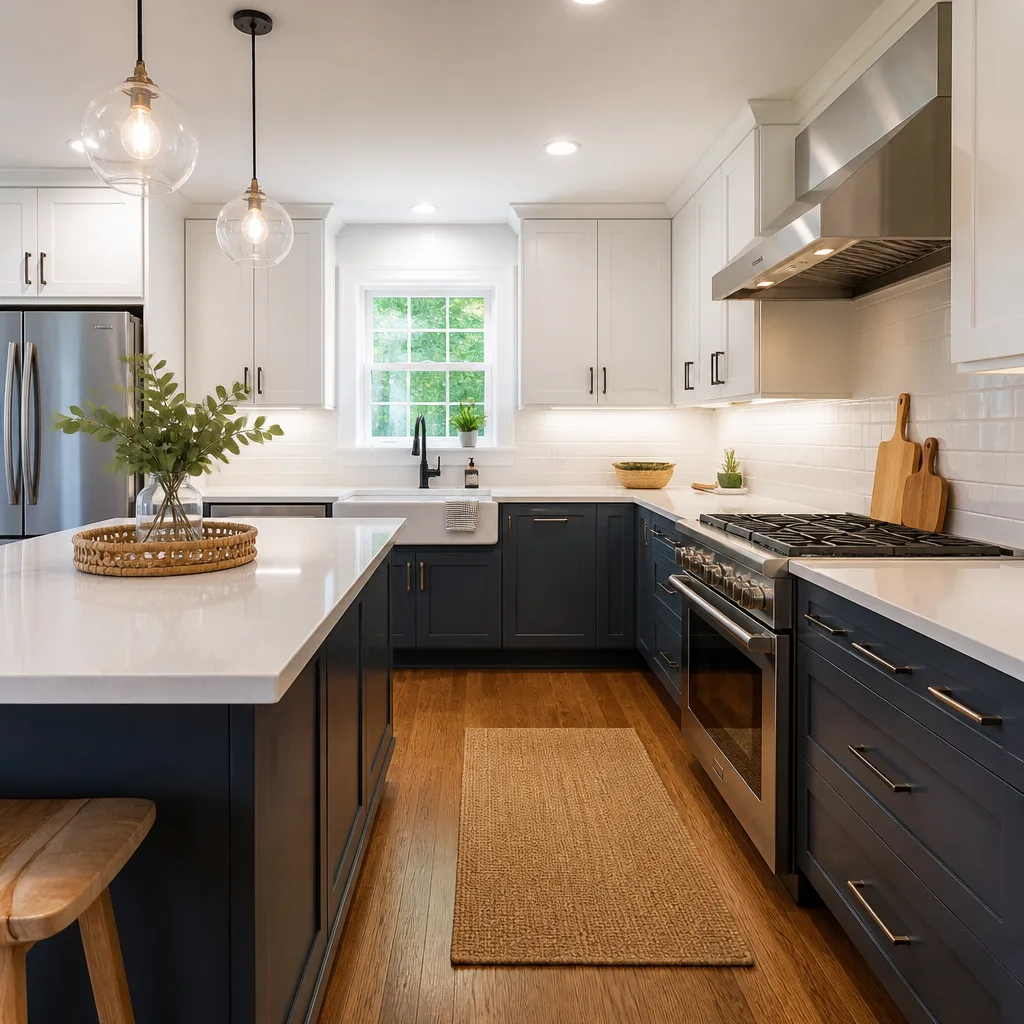
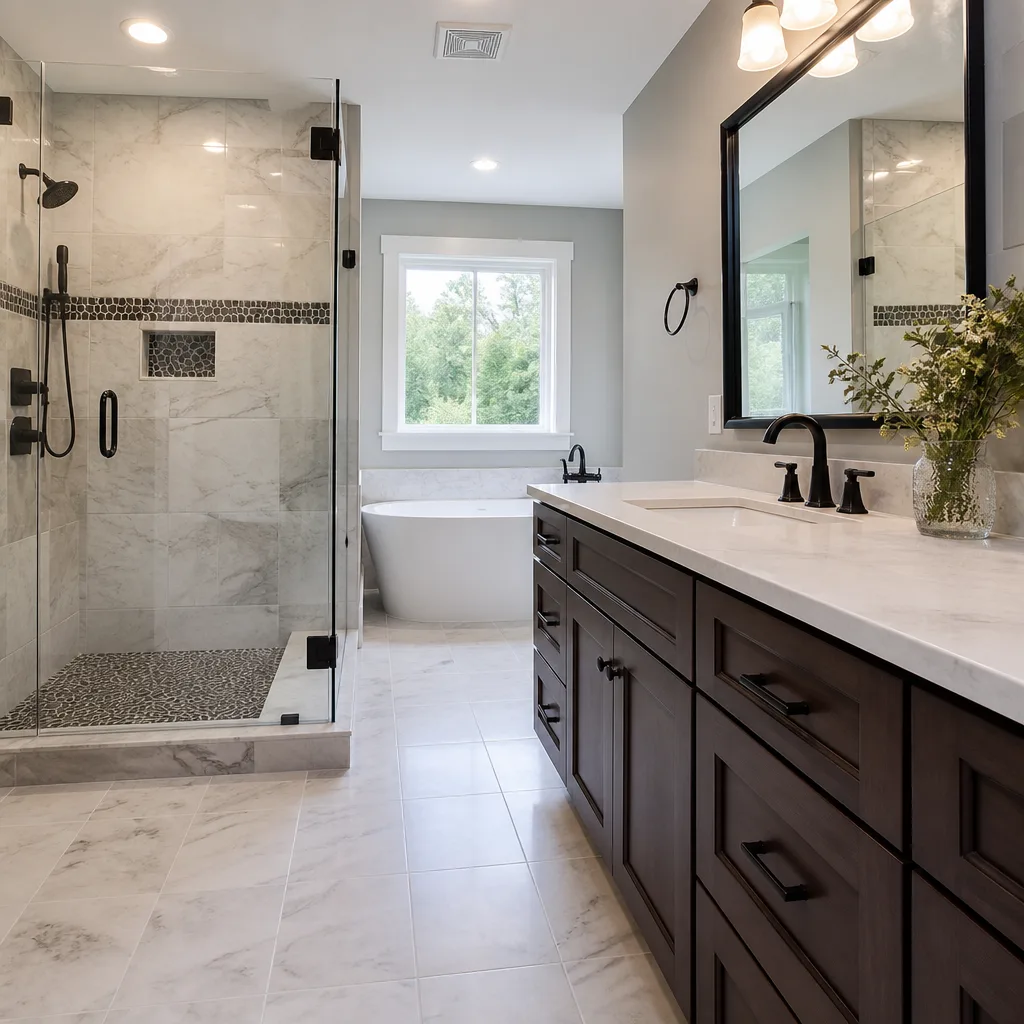
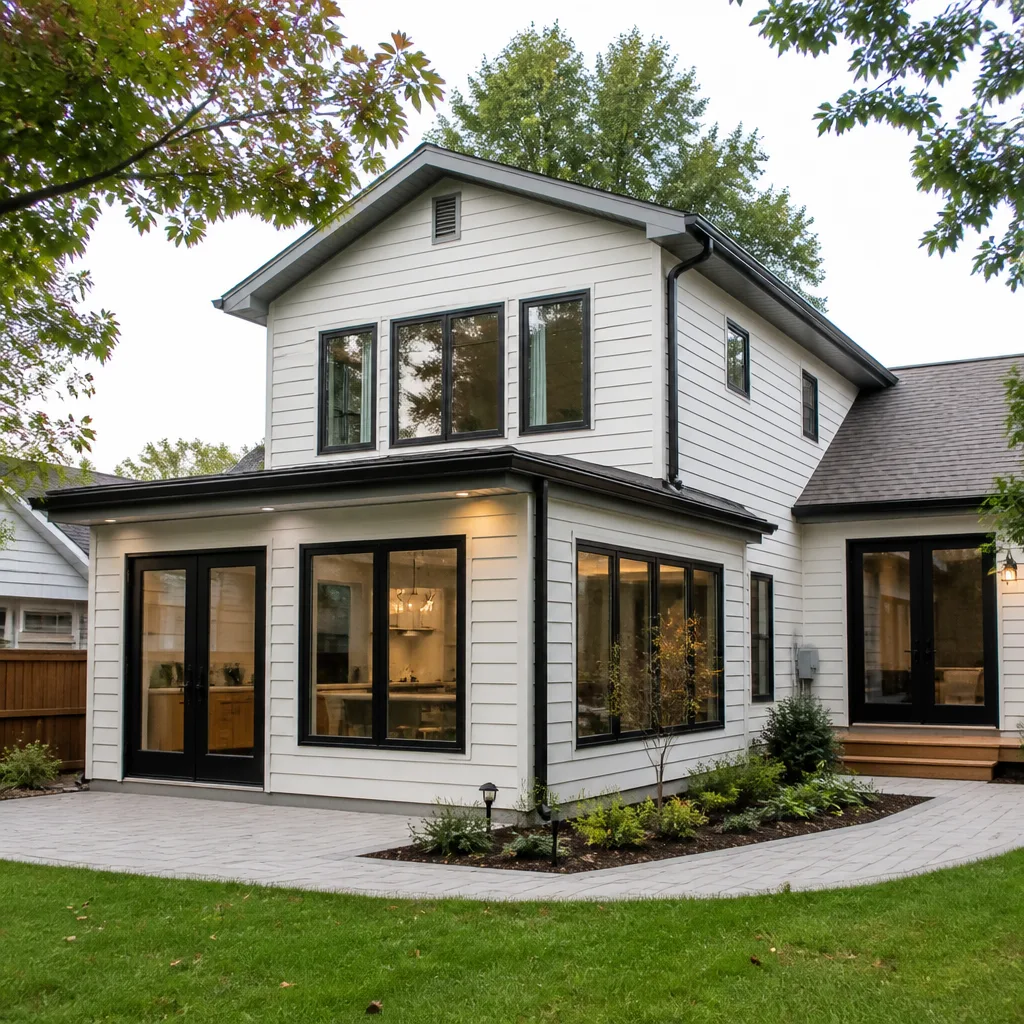
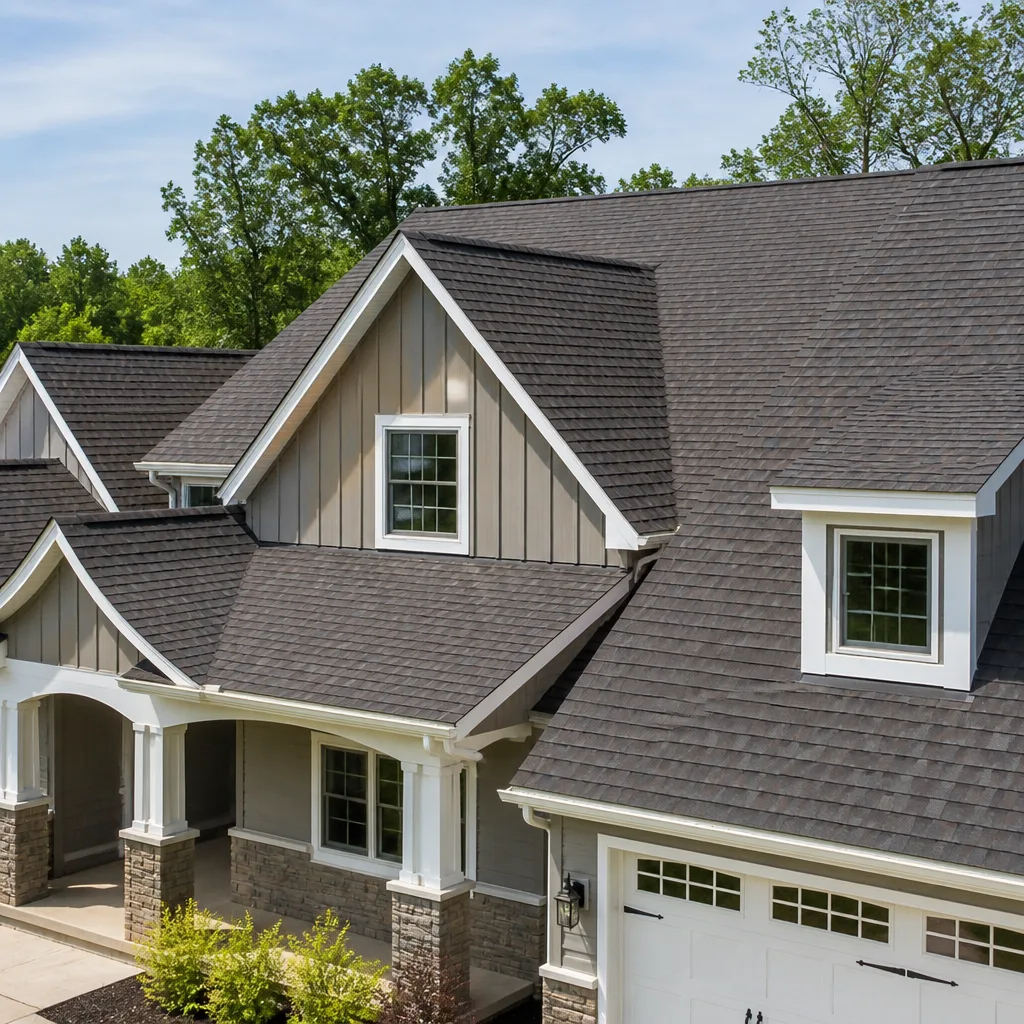
 Before
 After
After Before
 After
After Before
 After
AfterAtlas Home Additions & ADU: The Los Angeles Owner’s Guide
If you own an Atlas home addition or ADU in Los Angeles and a structural component has failed, we stock the framing hardware, shear-wall panels, and foundation anchors needed for most Atlas-compatible repairs. A full home addition or ADU build runs $53,100-$153,400 in Los Angeles, but a targeted repair on an existing Atlas structure typically costs far less. Most owners discover the problem the same way: a door that won’t close square, a crack that reappears after patching, or water where it shouldn’t be.
We’re Rowan Construction Group, an independent Los Angeles contractor. We’re not affiliated with Atlas, but we work on Atlas-built additions and ADUs regularly because their framing methods are consistent and well-documented, which makes diagnosing failures straightforward. If you’re reading this, you probably need a specific answer about your Atlas structure. Start here.
Which Atlas Models This Applies To
Atlas home additions and ADUs in Los Angeles fall into two broad categories: permitted stick-built additions (post-and-beam or conventional stud framing) and prefabricated ADU shells assembled on site. The difference matters because the failure points are different. Stick-built Atlas additions tend to fail at connection points: sill plates to foundation, rafter ties to top plates, and ledger boards where the addition meets the original house. Prefabricated Atlas ADU shells more often fail at panel joints and roof membrane seams, especially after five or more Los Angeles summers of thermal cycling.
To identify your Atlas structure’s series, look for a metal placard on the electrical panel or inside the attic hatch. Atlas stamps a six-character build code there; the first two digits tell you the year. If you can’t find the placard, measure the stud spacing. Older Atlas builds use 24-inch on-center spacing, which changes what repair hardware we bring to the job. We always tell Los Angeles owners this: before you buy any replacement part, confirm the stud spacing and the connection type. A part sized for 16-inch framing will not seat correctly on an older Atlas layout.
For OEM versus aftermarket: Atlas OEM framing connectors and shear hardware are solid, but not always stocked locally. In most cases a Simpson Strong-Tie or USP equivalent meets or exceeds the original spec, and we can get it in Los Angeles the same week. For panel joints on prefab ADUs, we recommend staying with Atlas-spec EPDM gaskets rather than generic substitutes; the generic versions we’ve tested lose compression in Los Angeles heat faster than the Atlas originals.
Signs Your Atlas Home Additions & ADU Is Failing
- Doors that bind at the top corner while the bottom swings free. This usually means the header above the door has settled or rotated, which in an Atlas addition often traces back to a loose rafter tie or a sill plate that has pulled away from the anchor bolts.
- Drywall cracks that run diagonally from window corners. Diagonal cracks indicate shear movement, not normal settling. In Los Angeles, where seismic drift and expansive soil are real factors, this is the early warning of a shear panel that has lost its connection to the framing.
- A gap between the addition and the main house that widens and narrows with the seasons. Clay soil in Los Angeles expands and contracts with moisture, and if the Atlas addition was poured on a slab that wasn’t engineered for the soil type, the two structures move independently. The gap is the symptom; the cause is below grade.
- Musty odor or visible staining at the bottom of wall panels in a prefab Atlas ADU. This points to a failed sill gasket or an EPDM seam that has let water wick up from the foundation. By the time you smell it, the bottom plate is usually compromised.
- Roof sag you can see from the street. On Atlas ADUs with low-slope roofs, a visible dip usually means one of two things: a rafter splice that was never properly fastened, or rot at the top plate from a roof membrane seam that opened up. Both are repairable, but neither gets better on its own.
BeforeAfterReplacement Cost & What’s Included
Here’s the reality on pricing in Los Angeles. A full Atlas home addition or ADU build runs $53,100-$153,400 depending on square footage, foundation type, and finish level. A targeted structural repair on an existing Atlas structure usually falls between $1,500 and $8,000. The range exists because some failures are connection-level fixes (a few hours of labor plus hardware) and others require removing wall panels, replacing rotted framing, and reinstalling shear components.
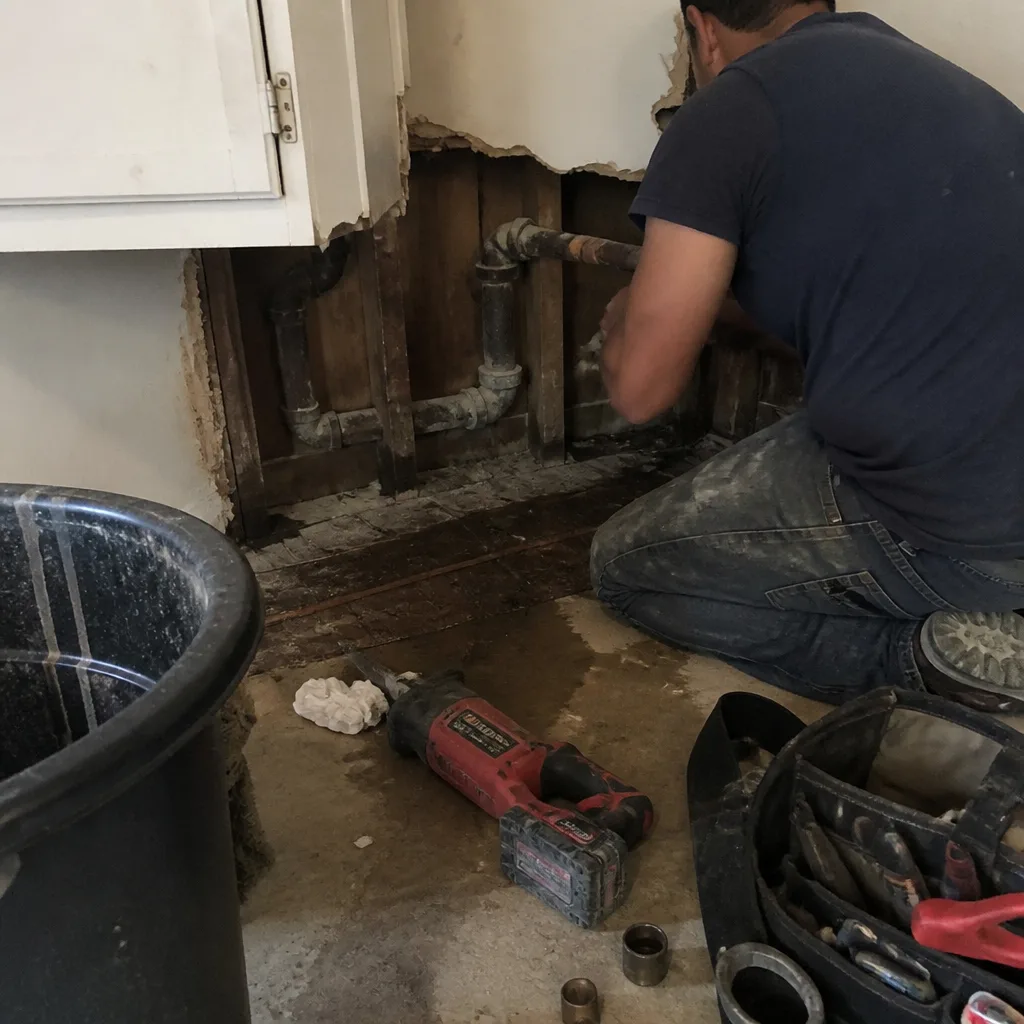
Every quote we write includes the same line items, and nothing else: parts at our cost, labor by the hour with the crew size stated, disposal, permit fees if Los Angeles requires one for the scope, and a written warranty on the repair. You get the price before any work starts, under Clause 1 of the Haven Standard. No signed change order, no work proceeds. If the rot extends further than we can see at quote time, we document it with photos, bring you the number, and wait for your signature.
Grant Rowan has walked too many Los Angeles homeowners through this exact repair to pretend the first number is always the final number. What we can tell you: across 4,000-plus projects since 2007, our final costs have stayed within a few percent of the agreed price, because the change order discipline is real, not a slogan.
DIY or Call Us?
There are things you can safely check. Look at the sill plate anchors in your crawl space or along the exposed foundation edge; if you see a half-inch gap between the wood and the concrete, that’s information worth having. Check whether the diagonal wall cracks are new or old by marking the ends with a pencil and checking again in a month. Those observations help us quote faster.
What you should not do is attempt to re-anchor a wall, replace a shear panel, or jack a sagging roof on your own. The loads involved in an Atlas addition in Los Angeles, with seismic requirements and the way the structure ties to the main house, are not forgiving. A failed repair here can turn a $3,000 connection fix into a $30,000 structural problem. If you suspect your Atlas addition or ADU has a structural issue, call (470) 298-9650 and we’ll schedule a walk-through and give you a written assessment. Estimates are free.
FAQs
A properly built Atlas addition or ADU should last 50 years or more, but the components that fail fastest in Los Angeles are the gaskets, sealants, and roof membranes, which typically need attention around year 12 to 15 because of UV exposure and thermal cycling. The framing itself, if kept dry, will outlast the finishes. Call (470) 298-9650 if you want us to inspect what you have.
Most failures can be repaired; only when rot has spread through more than about 30 percent of the load-bearing framing does a partial rebuild become cheaper than continued repair. We’ll tell you which situation you’re in after the walk-through, with photos to show you what we found.
A connection-level repair usually takes one to two days. A shear panel replacement or sill plate repair typically runs three to five days. If Los Angeles requires a permit for the scope, add one to two weeks for plan check, and we pull that permit as part of the job.
We stock common framing connectors, anchor hardware, and EPDM gasket material on our trucks. For Atlas-specific panel components, we order from local Los Angeles suppliers and typically have parts in hand within three to five business days. We also work with KraftMaid, Cambria, and Silestone if your repair touches cabinetry or countertops.
Measure twice, say it once, show your work. If you need a straight answer about your Atlas addition or ADU in Los Angeles, call (470) 298-9650 and schedule the walk-through. You’ll get a written price before any work starts, and a documented photo record when we leave.
Written by Grant Rowan, Owner, Rowan Construction Group at Rowan Construction Group, serving Los Angeles and nearby areas.