
Free written scope consultation - allowances, timeline, and change-order rules on paper before a single trade is scheduled
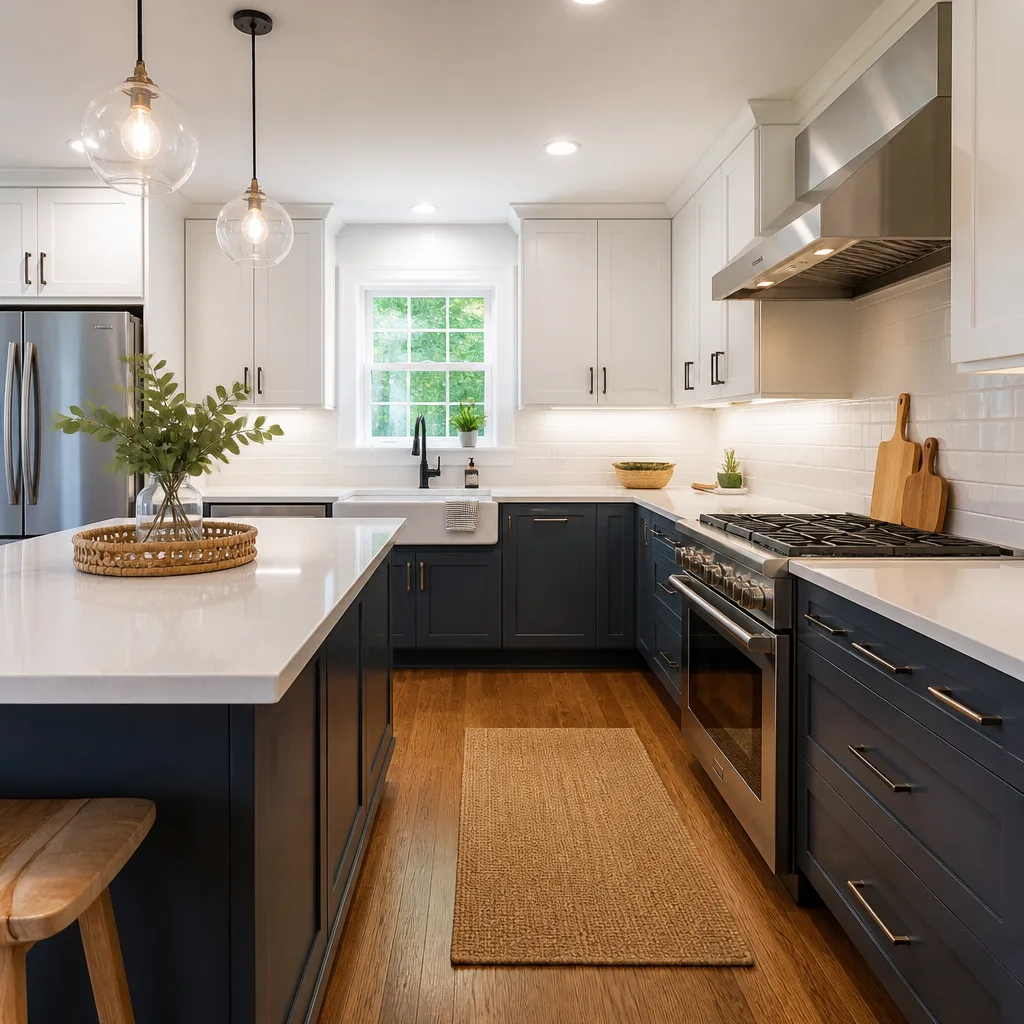
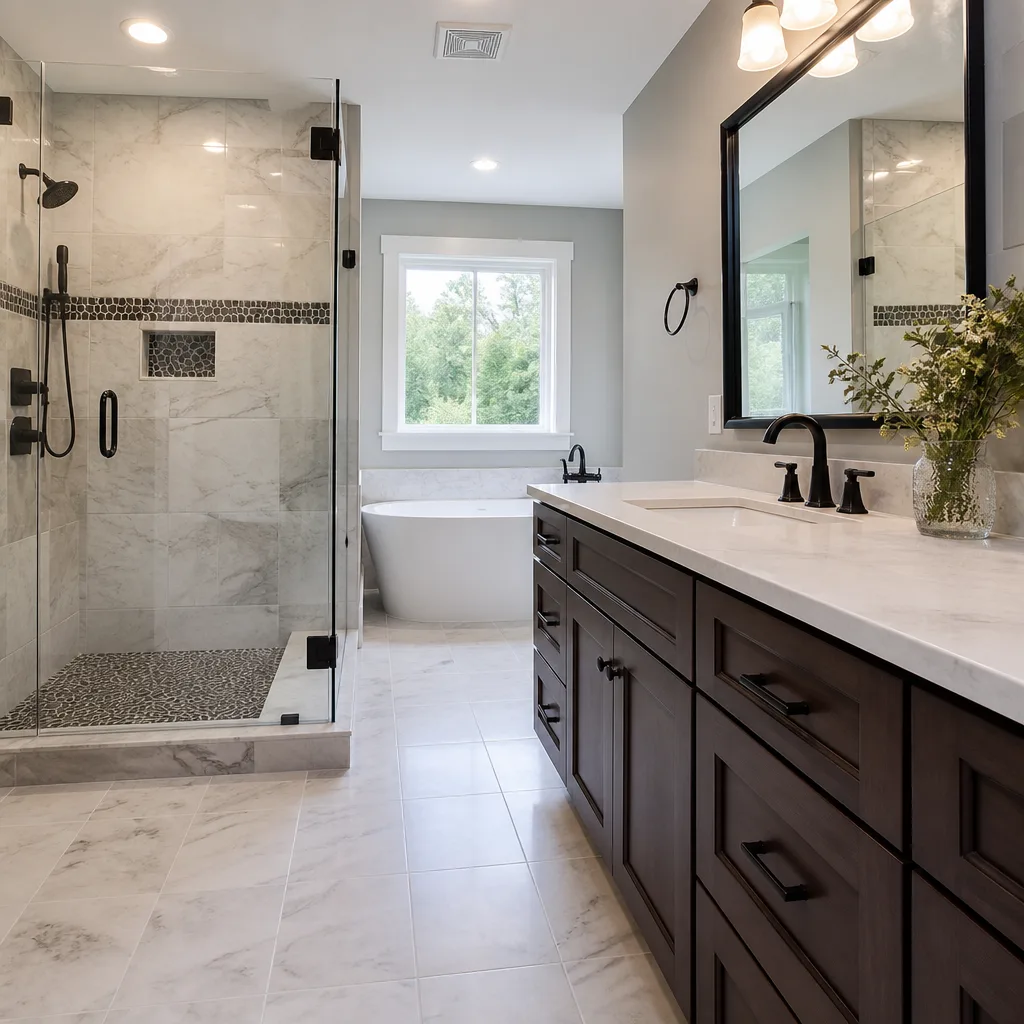
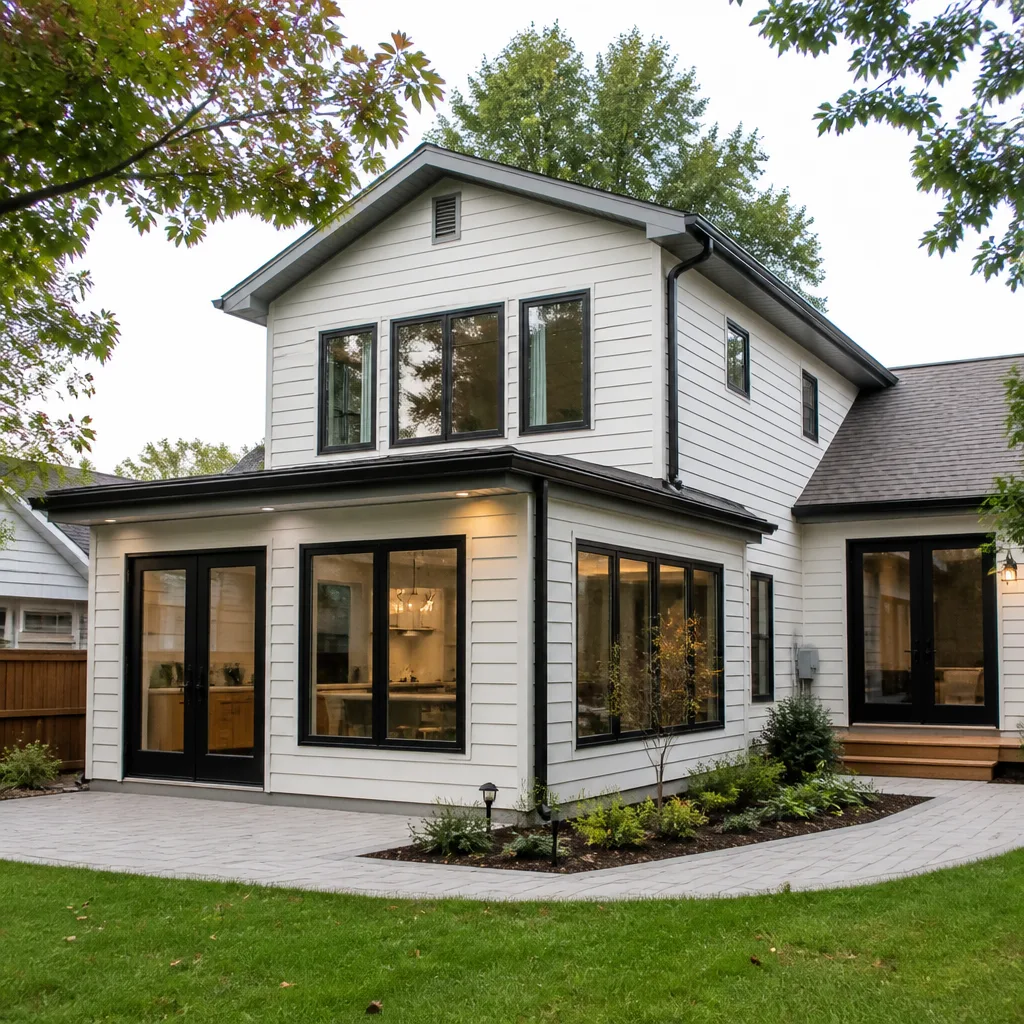
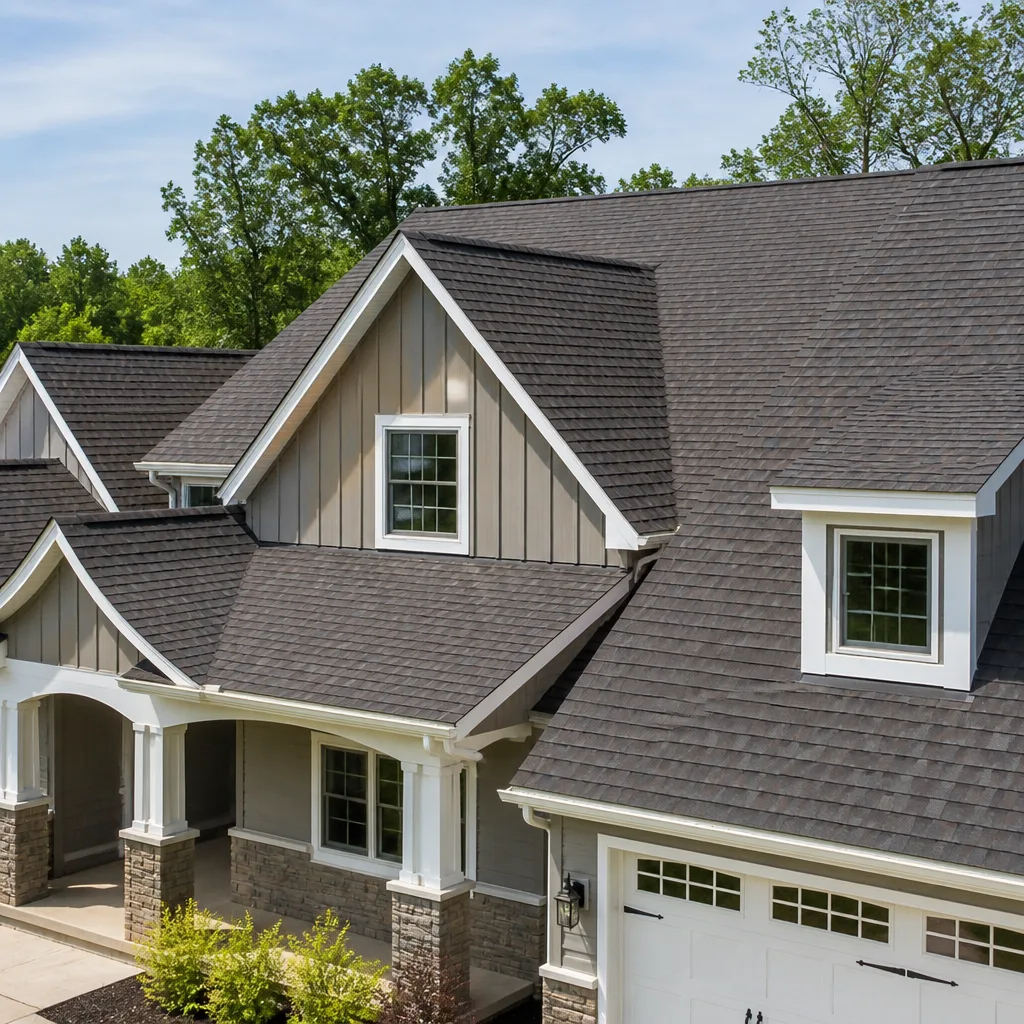
 Before
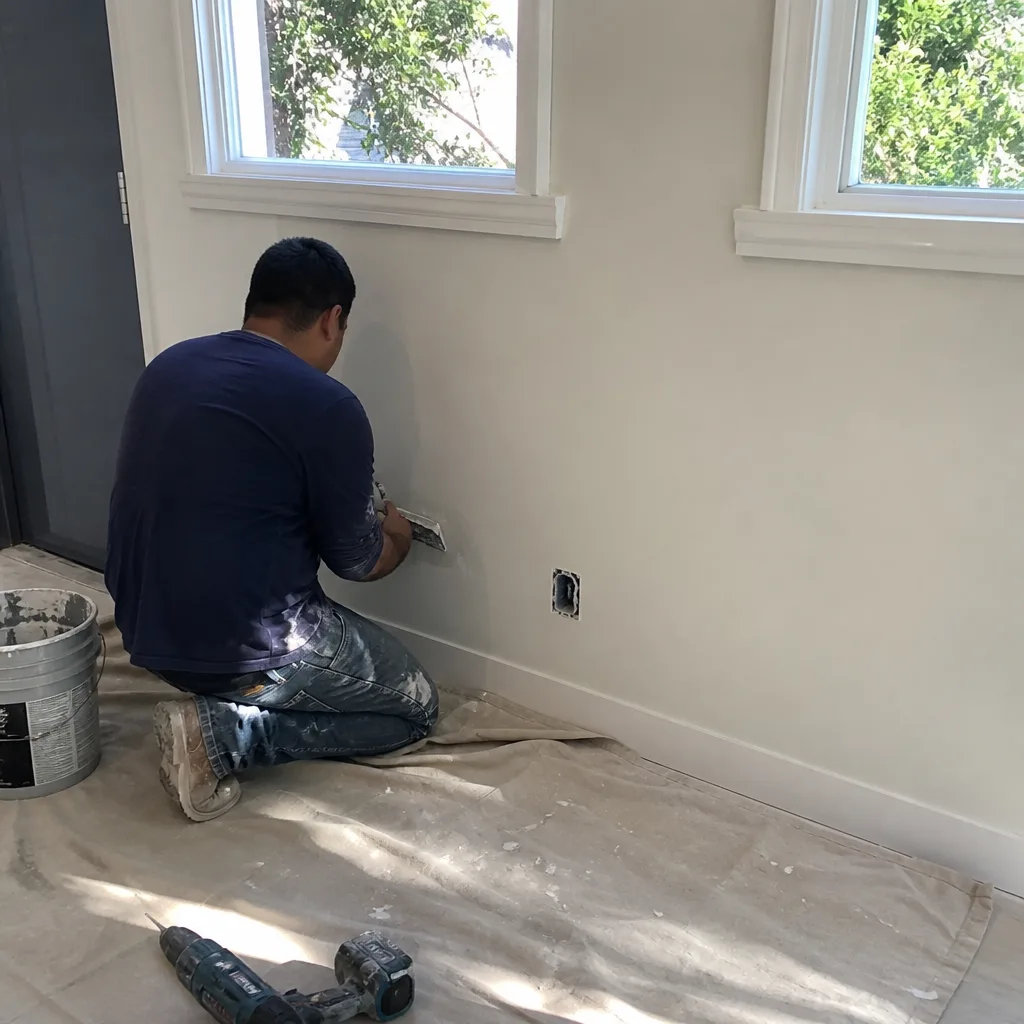 After
After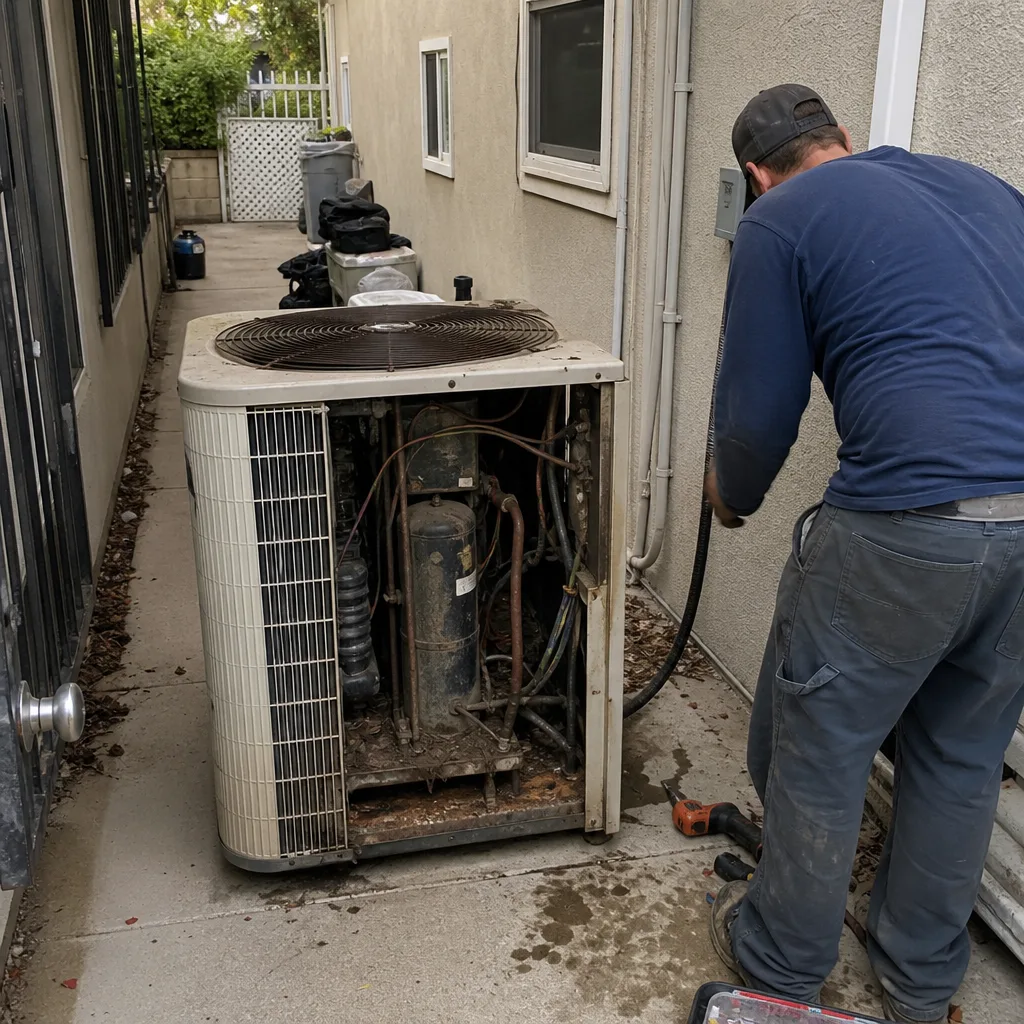 Before
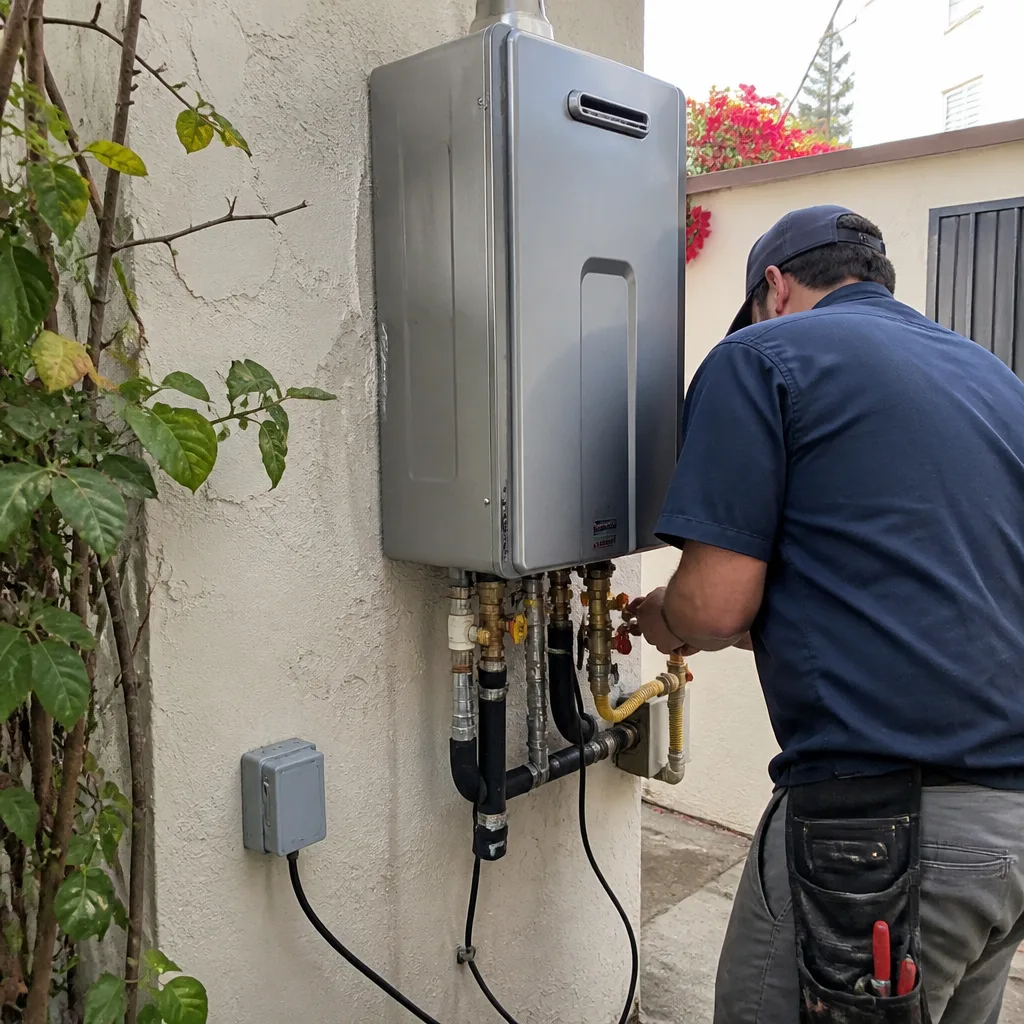 After
After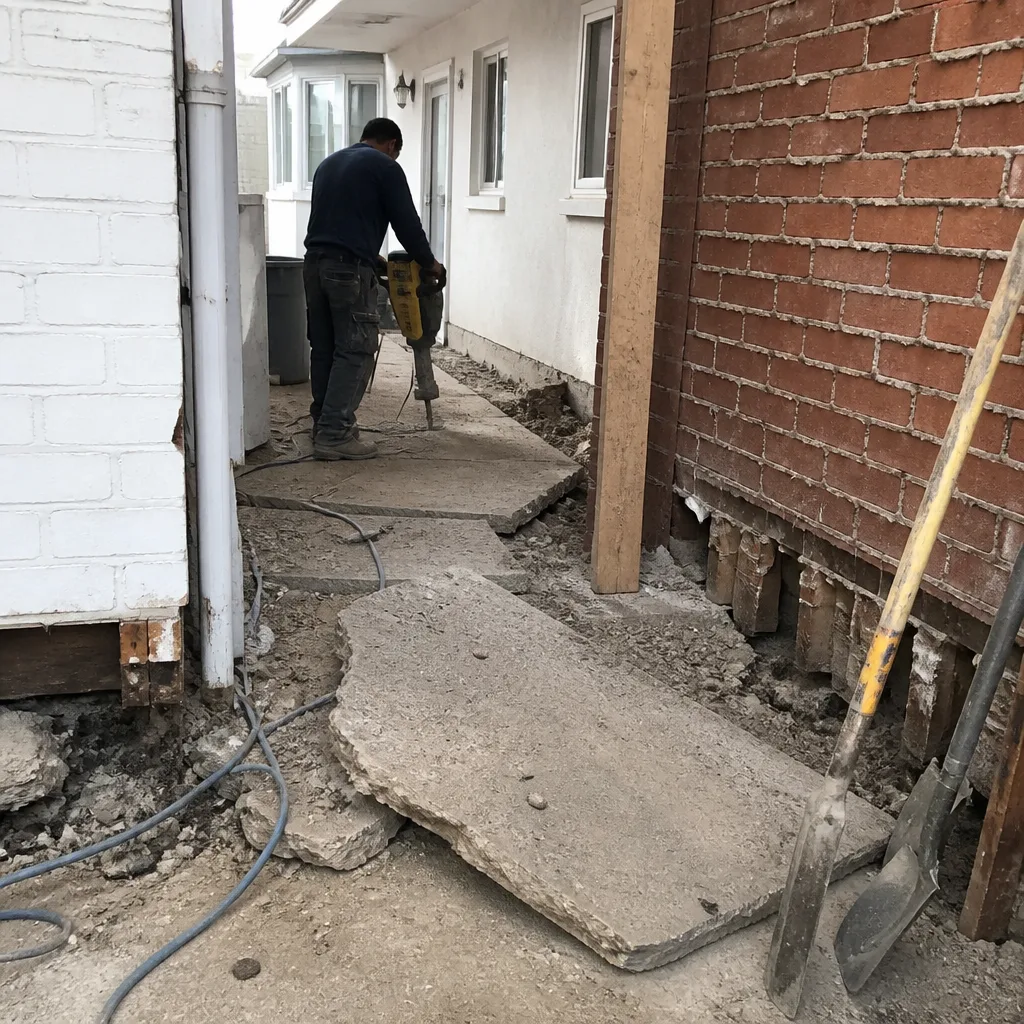 Before
 After
AfterBlanco Roofing: The Los Angeles Owner’s Guide
We stock and install Blanco-compatible roofing components across Los Angeles, with most common parts on the truck and installed same-week for a written flat price. A roofing repair on a Blanco system in Los Angeles typically runs $470-$2,125, and a full replacement lands between $9,440-$23,600, depending on the roof’s square footage, slope, and how many layers are already on it. Most owners discover a Blanco roofing part has failed the hard way: a water stain on the ceiling after the first real rain in November, or a granule trail in the gutter that wasn’t there in June.
What gets less attention is the specific failure mode Blanco roofs face in this climate. Los Angeles sun is unrelenting on cap sheet and membrane around penetrations, and heat cycling does more damage over ten years than any single storm. We’ll get into exactly what fails first and what it costs to fix, in writing, before anyone climbs a ladder.
Which Blanco Models This Applies To
Blanco makes roofing under several product families that share compatible flashing, underlayment, and penetration components. The main ones we work on across Los Angeles are the Blanco tile profiles, Blanco standing seam metal systems, and the Blanco flat-roof membrane lines used on mid-century homes from the Valley down to Long Beach.
The compatibility gotcha everyone hits: Blanco tile roofs in Los Angeles were installed in different eras with different underlayment expectations. A home built in 2004 will have a different felt specification than one built in 1987, and lifting a tile to check means you need to know what’s underneath before you buy a replacement part. The underlayment is the waterproof layer; the tile is the wear layer. If you replace a cracked tile but the underlayment beneath it has degraded, you’ve fixed the symptom, not the problem.
For OEM versus aftermarket: Blanco’s own-branded flashing and edge metal are well-made and worth the premium if you’re matching an existing profile, especially on standing seam systems where the rib dimensions are specific. For underlayment, fasteners, and sealant, we use GAF and Owens Corning equivalents from our vetted brand list, because the honest answer is that those components equal or exceed Blanco’s spec at a better price, and every one of our quotes names the exact brand and model before work starts, under Clause 1 of the Haven Standard.
How to identify your part: Blanco stamps or prints a part number on the underside of most tile profiles and the inner face of edge metal. If you can safely reach a tile edge, flip one and look. If you can’t, we photograph and document every component we find during the estimate visit, and that photo record is yours as a standard deliverable, not an add-on.
Signs Your Blanco Roofing Is Failing
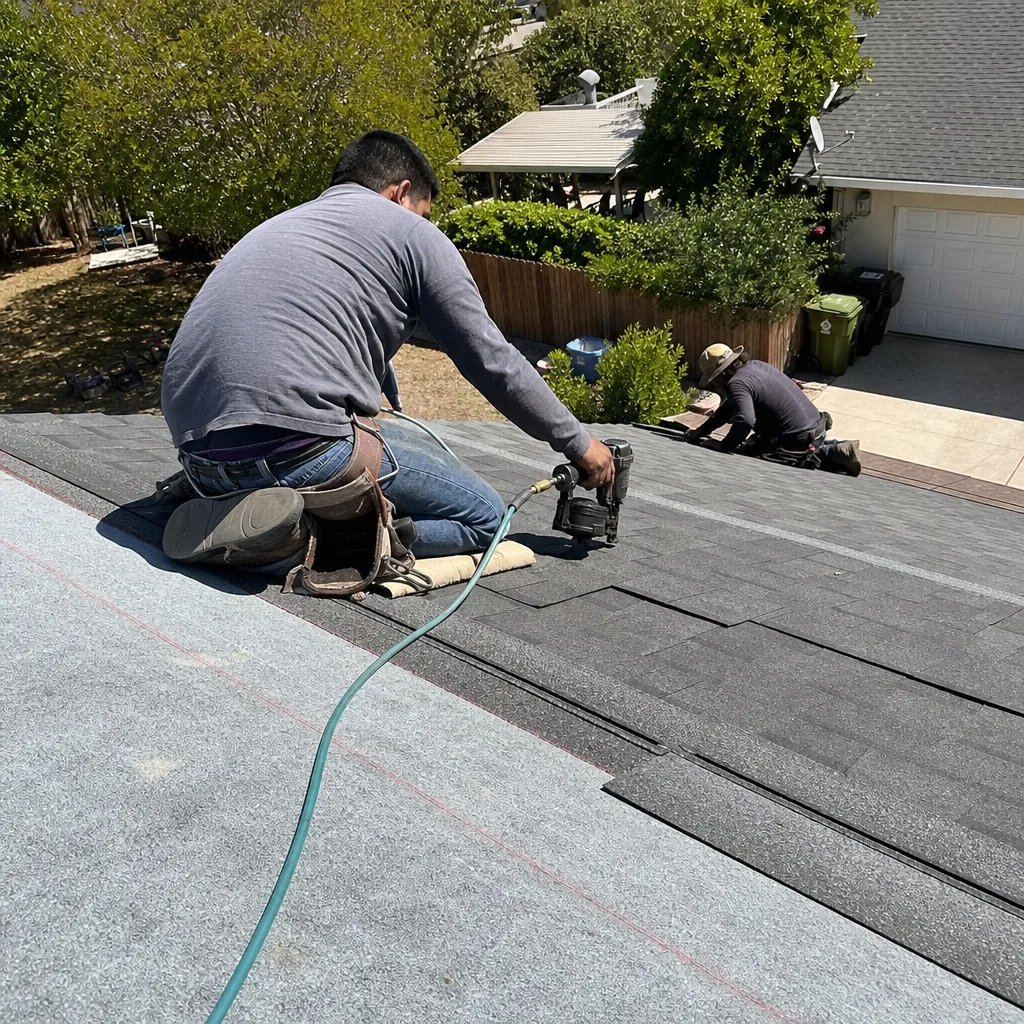
- Granule accumulation in gutters or downspouts. Granules are the UV shield on asphalt-based Blanco products. When they start washing off in measurable volume, the underlying material is oxidizing and the clock has started on cracking.
- Ceiling stains that appear after rain but not at the exact spot you’d expect. Water travels sideways along rafters and sheathing before it drops. A Blanco roof leak over a hallway often enters the roof surface ten or fifteen feet away at a failed pipe boot or deteriorated flashing.
- Nail pops or lifted caps on the ridge. Los Angeles heat cycling expands and contracts metal fasteners on Blanco ridge caps. Once a cap lifts, wind gets under it, and a lifted cap on a Tuesday can be a missing cap by Thursday.
- Daylight visible through the sheathing from inside the attic. This is the one to check before calling anyone. On a clear Los Angeles afternoon, go into the attic with the lights off and look up. Pinpoints of light mean the roof deck itself has openings, and no surface repair fixes that.
- Roof deck feels spongy underfoot in specific spots. Blanco membrane over a saturated deck will feel softer than surrounding areas. If a roofing contractor has ever walked your roof and reported a soft spot, get it priced now. The deck replacement only gets more expensive and the area only larger.
BeforeAfterReplacement Cost & What’s Included
For Los Angeles, an installed Blanco roofing repair sits at $470-$2,125 depending on access, whether we’re replacing one tile or a whole penetration, and how many layers need to come off first. A full Blanco roof replacement in Los Angeles runs $9,440-$23,600, driven mostly by square footage, slope, and surface prep. Steep mansard sections cost more per square foot than a walkable 3:12 pitch. Tearing off two old layers costs more than nailing over one.
Every quote we write for a Blanco repair is a flat price with a written scope and listed line items: the part, the labor, the disposal, and the specific brand of any replacement material. If a competitor’s written estimate comes in lower, bring it to us. We’ll review it line by line at no charge, and the free second opinion takes about twenty minutes on the phone.
DIY or Call Us?
What an owner can safely do: look for displaced or cracked tiles from the ground with binoculars, check the attic for daylight pinholes, and clean gutters so water doesn’t back up under the edge of a Blanco roof. What we would not recommend: getting on any Los Angeles roof steeper than about a 4:12 pitch without fall protection, or pulling up Blanco membrane around a pipe in July when the material is hot enough to tear unpredictably. A torn membrane around a penetration turns a $500 repair into a $2,000 one. Roof slopes and slick tile surfaces are where we see the worst injuries in this trade, and that’s not a scare tactic, it’s a documented reality of the work.
If you see the signs above and want it priced in writing before any work starts, call (470) 298-9650 and we’ll schedule the estimate. Grant Rowan and I set the same standard on every call: we tell you what’s there, what it needs, and what it costs, on paper, before a single tool comes off the truck.
FAQs
A Blanco asphalt-based system in Los Angeles typically lasts eighteen to twenty-two years, with tile and metal profiles reaching thirty to forty if the underlayment is replaced on schedule. The limiting factor in this climate is UV exposure more than rain: the south and west facing slopes will degrade faster than the north side of the same roof, so condition varies within a single house. Call (470) 298-9650 if you want us to walk the roof and document what the sun has actually done to it.
Yes, when the failure is localized to a penetration, a flashing point, or a handful of tiles, a Blanco roof in Los Angeles can almost always be repaired for $470-$2,125 instead of replaced. What we find on many older roofs is multiple failing points within a few years of each other, which is the point where we’ll tell you honestly that a replacement is the smarter money. Call (470) 298-9650 for a written assessment either way.
Most single-part Blanco repairs, like one pipe boot or a few cracked tiles, take half a day including setup, cleanup, and our documented photo record. Access and weather can extend that, but the written quote will tell you the expected duration before you commit, and no change order ever proceeds without your signature on it first.
We stock the most commonly replaced Blanco components, including pipe boots, ridge caps, standard tile profiles, and transition flashing, on each of our roofing trucks. For less common profile shapes or standing seam ribs, we order to match your existing part, and the quote names the lead time. Alongside Blanco, we also carry parts for KraftMaid, Cambria, and Silestone on other trades, so your written estimate reflects real sourcing, not guesswork.
Written by Grant Rowan, Owner, Rowan Construction Group at Rowan Construction Group, serving Los Angeles and nearby areas.