
Free written scope consultation - allowances, timeline, and change-order rules on paper before a single trade is scheduled
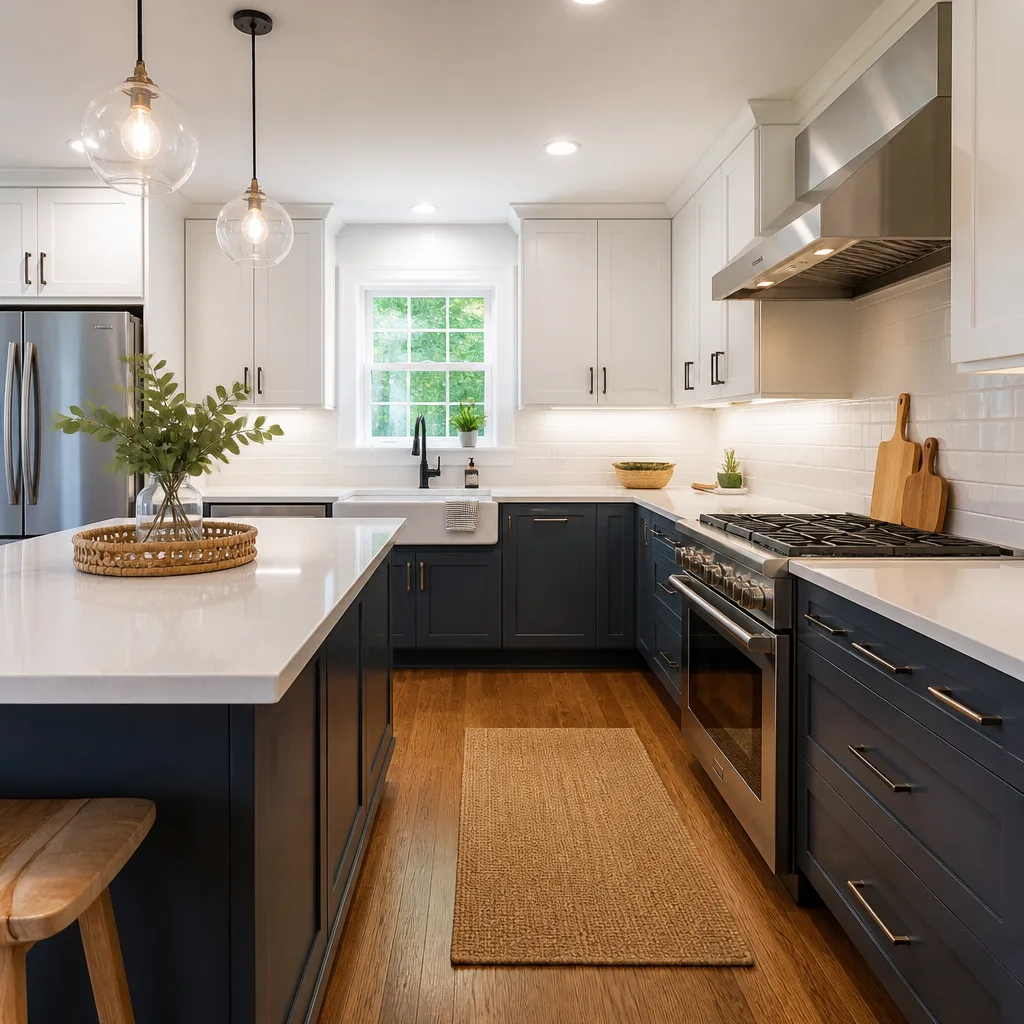
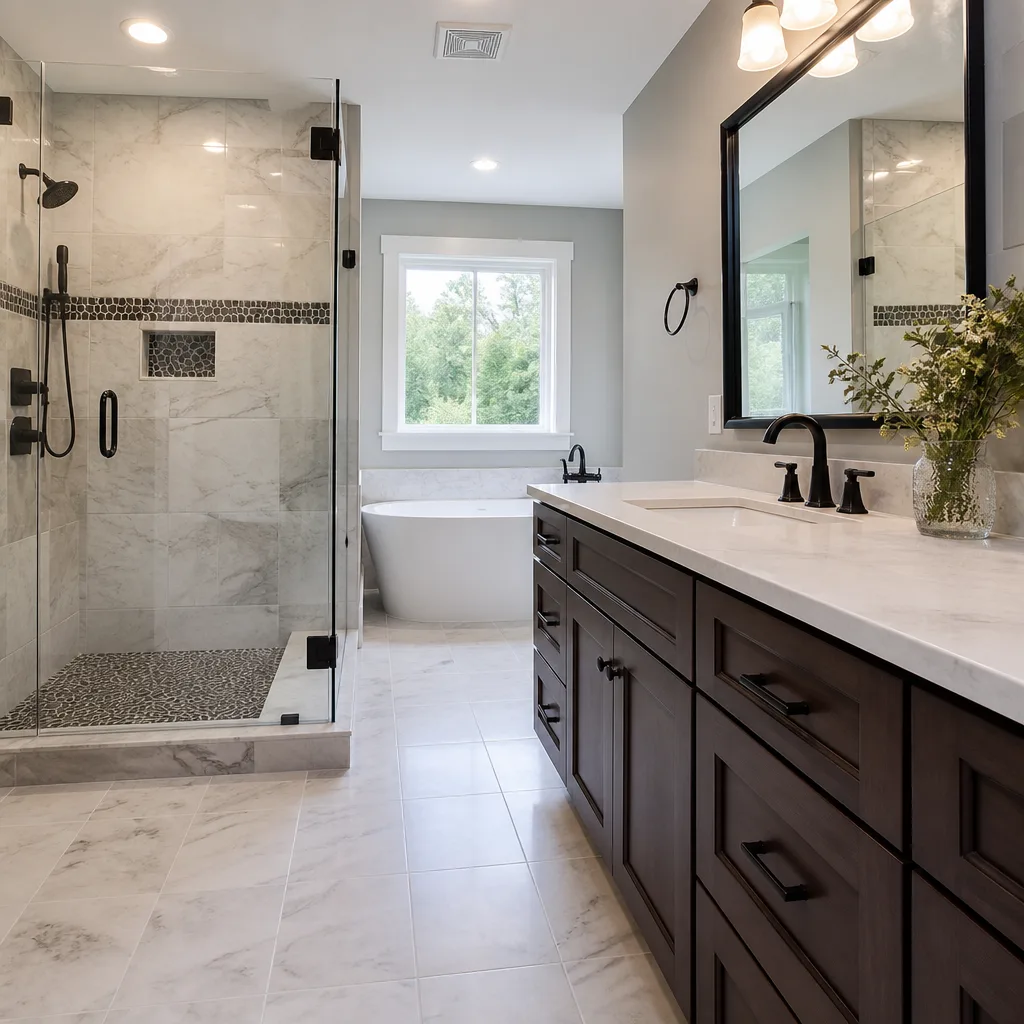
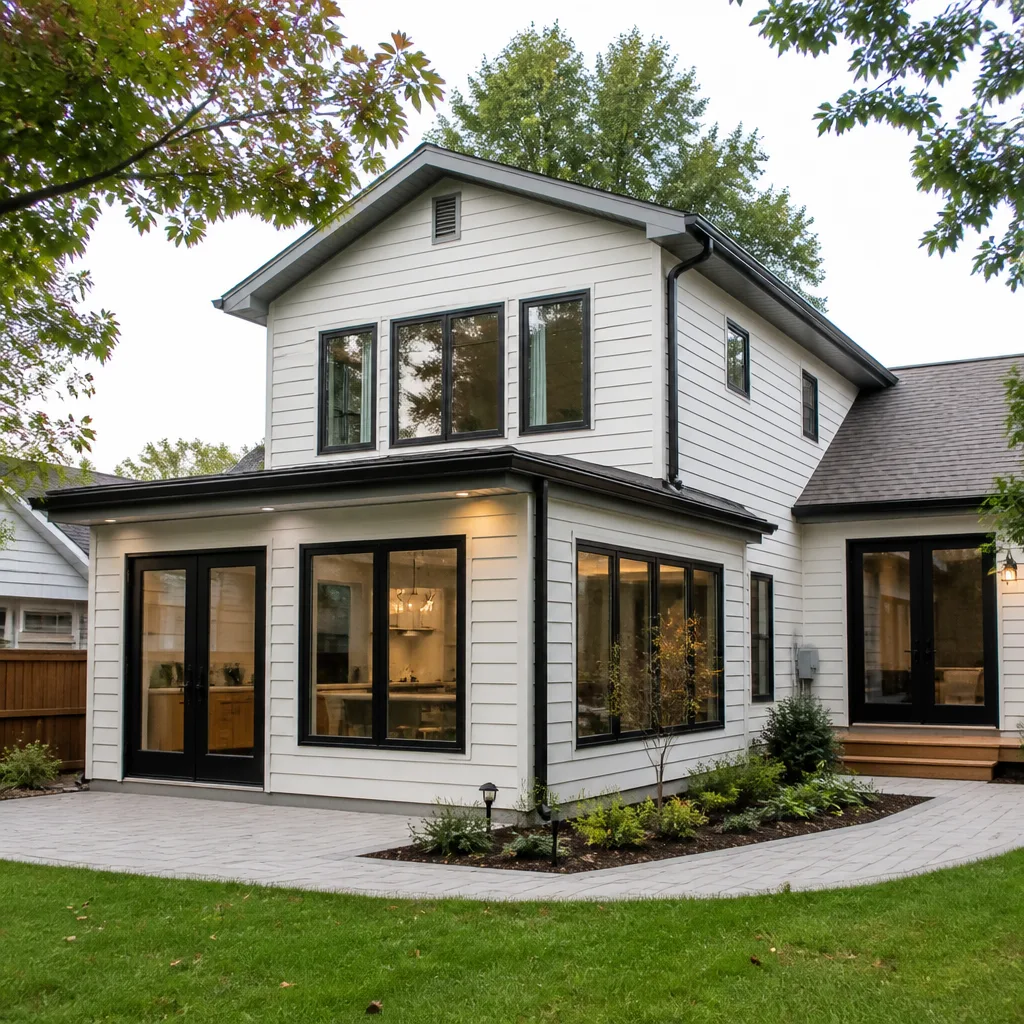
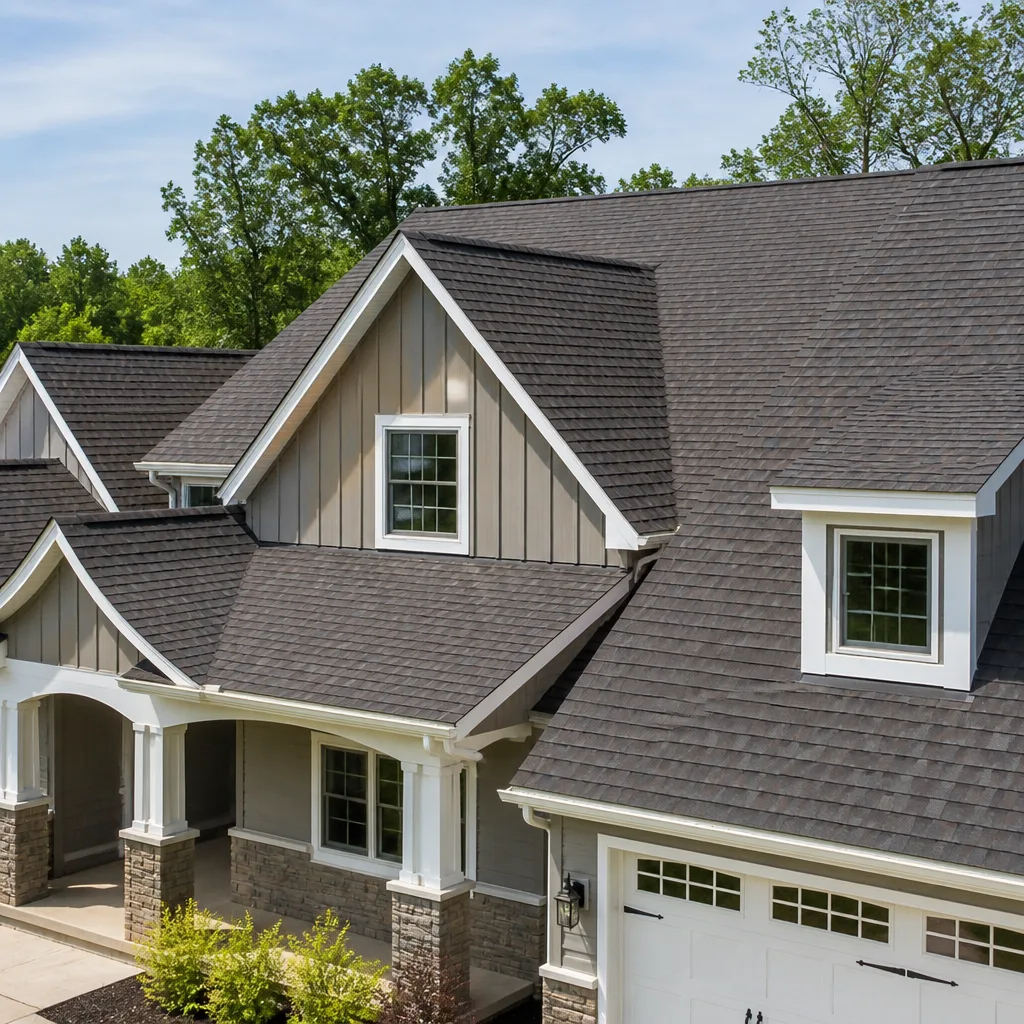
 Before
 After
After Before
 After
After Before
 After
AfterCambria Home Additions & ADU: The Los Angeles Owner’s Guide
A Cambria home addition or ADU project in Los Angeles typically runs $53,100 to $153,400 for the full build, with Cambria quartz surfacing adding roughly $2,360 to $7,670 for countertop installation depending on square footage and edge profile. We install Cambria-compatible additions and ADUs across Los Angeles, and the most common reason owners call us is not a Cambria product failure but a planning or compatibility problem discovered mid-project: the slab spec changed, the overhang is too aggressive for the grade, or the field-seam layout was not worked out before templating. When a Cambria surface arrives damaged or was cut wrong, we see it within the first hour of installation, and we address it before the crew leaves, not after.
What usually brings a Los Angeles homeowner to this page: they bought Cambria for a kitchen or bath inside an addition or ADU, the surface has cracked at a seam, chipped at an overhang, or the fabricated piece no longer matches the as-built dimensions of the new space. Rowan Construction Group is an independent contractor; we are not affiliated with Cambria, but we work with their quartz product every week across home additions and ADUs in Los Angeles, and we know what fails and what does not.
Which Cambria Models This Applies To
Cambria quartz is manufactured in slabs, not model-specific lines the way an appliance brand works, so the compatibility question is about series, finish, and fabrication rather than a part number. The Cambria collections you will see specified on Los Angeles ADU and addition plans include Brittanicca, Summerhill, Torquay, Portrush, and Ella, but the physical slab does not carry a usable ID once it is cut. The dependable identifiers are your fabrication order, which lists the Cambria design name, the lot number, and the edge profile, and the remnant from your original slab if you kept it.
Here is the gotcha most Los Angeles owners hit: Cambria does not sell partial slabs or small cut-to-size pieces to retail buyers. If you need a replacement window sill, a shower curb, or a matching backsplash after the original slab is gone, you are matching from a new slab of the same design name, and dye-lot variation means the new piece may not match the installed one perfectly. Quartz is man-made, so variation is narrower than natural stone, but it is not zero. On ADU kitchens where the counter and backsplash get fabricated from the same slab at the same time, this is a non-issue. On a repair six months later, it is a real conversation. Our recommendation, and what we put in writing, is to fabricate all Cambria pieces for a project from a single slab lot. For aftermarket touches like sink cutouts or edge reprofiling in the field, we use a quartz-specific diamond tooling kit, not generic stone blades, which is where a lot of rushed installations leave visible chipping.
Signs Your Cambria Home Additions & ADU Is Failing
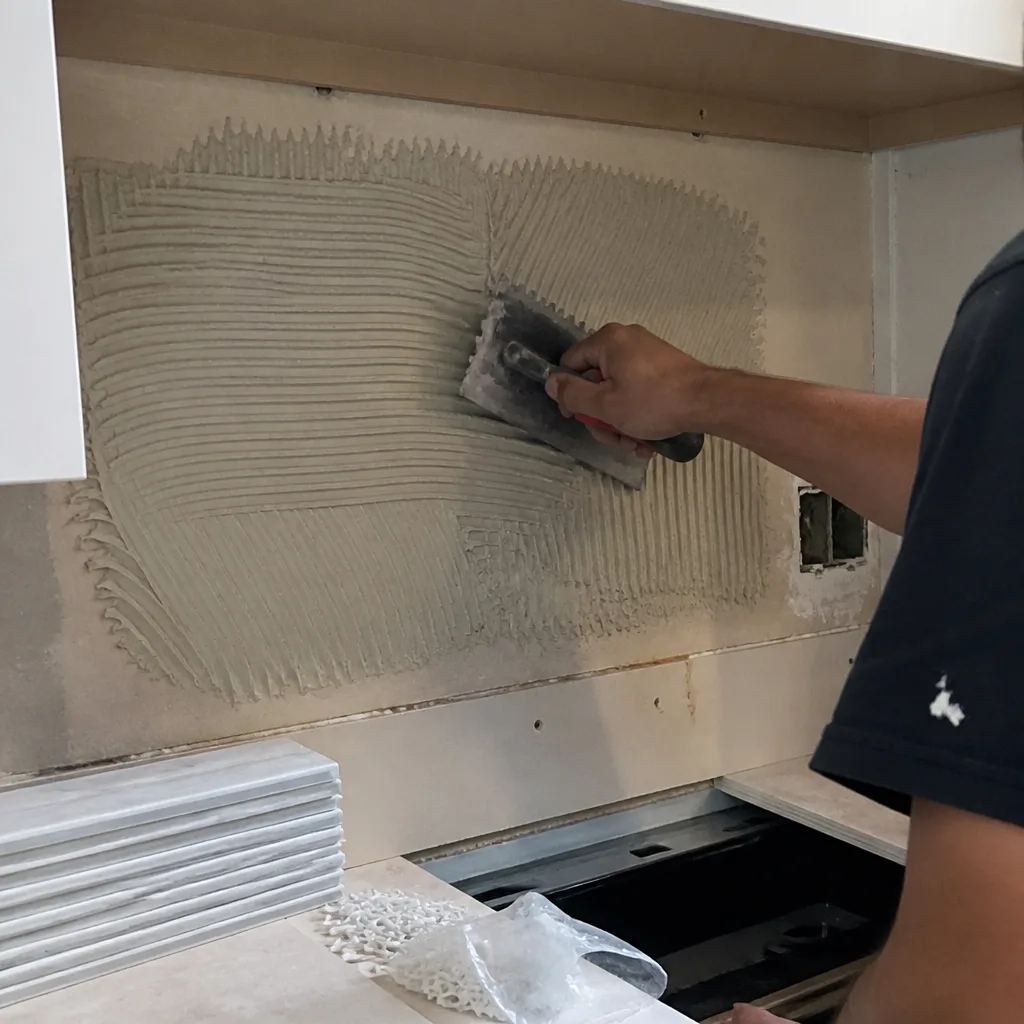
- Hairline crack at a seam or inside corner. Cambria seams are filled with a color-matched adhesive and should be nearly invisible. A crack there usually means the seam was not supported correctly, the cabinet beneath settled, or the slab was stressed during placement. In Los Angeles ADUs built on raised foundations, even minor settling shows at quartz seams first.
- Chip at an edge or overhang. Cambria is hard, but a hard impact at an unsupported overhang, especially the 12-inch-plus overhangs popular on Los Angeles kitchen islands, will chip the edge. If the chip is on the top surface, it is nearly always from something dropped; if it is on the underside edge, it is usually from the slab flexing because the overhang support brackets were undersized.
- Visible gap between the countertop and the wall or cabinet. Quartz does not warp on its own. A growing gap means the cabinetry or framing beneath it is moving. In Los Angeles, where additions and ADUs often sit on pier-and-beam foundations in older neighborhoods, this is a settlement signal, not a Cambria defect.
- Discoloration or haze that will not clean off. Cambria is non-porous, so staining is rare. What looks like stain is usually etching from acidic cleaners or residue from a high-alkaline grout haze left during tile work. The fix is a quartz-safe polish, not an abrasive scrub, and it matters which one because the wrong compound dulls the surface sheen.
- Slab feels hollow or moves when you press on it. Cambria should be fully bedded on a setting material with continuous support. A hollow sound or visible flex means the installers skipped support strips or used insufficient adhesive. This is the failure that leads to the big crack later, so we treat it as urgent when we see it in a Los Angeles ADU.
BeforeAfterReplacement Cost & What’s Included
For a Cambria countertop replacement within a Los Angeles home addition or ADU, you are looking at $2,360 to $7,670 installed, and that range is driven by square footage, edge profile, seam count, and whether the existing slab has to be demoed and hauled. A standard L-shaped ADU kitchen with one seam and an eased edge will land near the lower end; a large island with a waterfall panel, mitered edge, and a cooktop cutout will push toward the upper end or slightly beyond.
What you get from us, in writing, before any work starts: a flat price covering demolition, slab fabrication from an authorized Cambria fabricator, delivery, installation, seam fill, sink and faucet cutouts, and haul-away. There is no separate trip charge, no hourly billing on a countertop job, and no materials markup hidden in the line items. If the project involves framing changes under the countertop, like adding support brackets at an overhang, that is a separate line item on the written scope. Under the 365-Day Done Right Promise, if the seam separates, the edge chips under normal use, or the slab is not level within tolerance in the first year, we come back and make it right at no charge. For the full home addition or ADU itself, the project cost in Los Angeles runs $53,100 to $153,400, and we deliver that number as a written scope with a signed change order process that keeps the final invoice within a few percent of the agreed price.
DIY or Call Us?
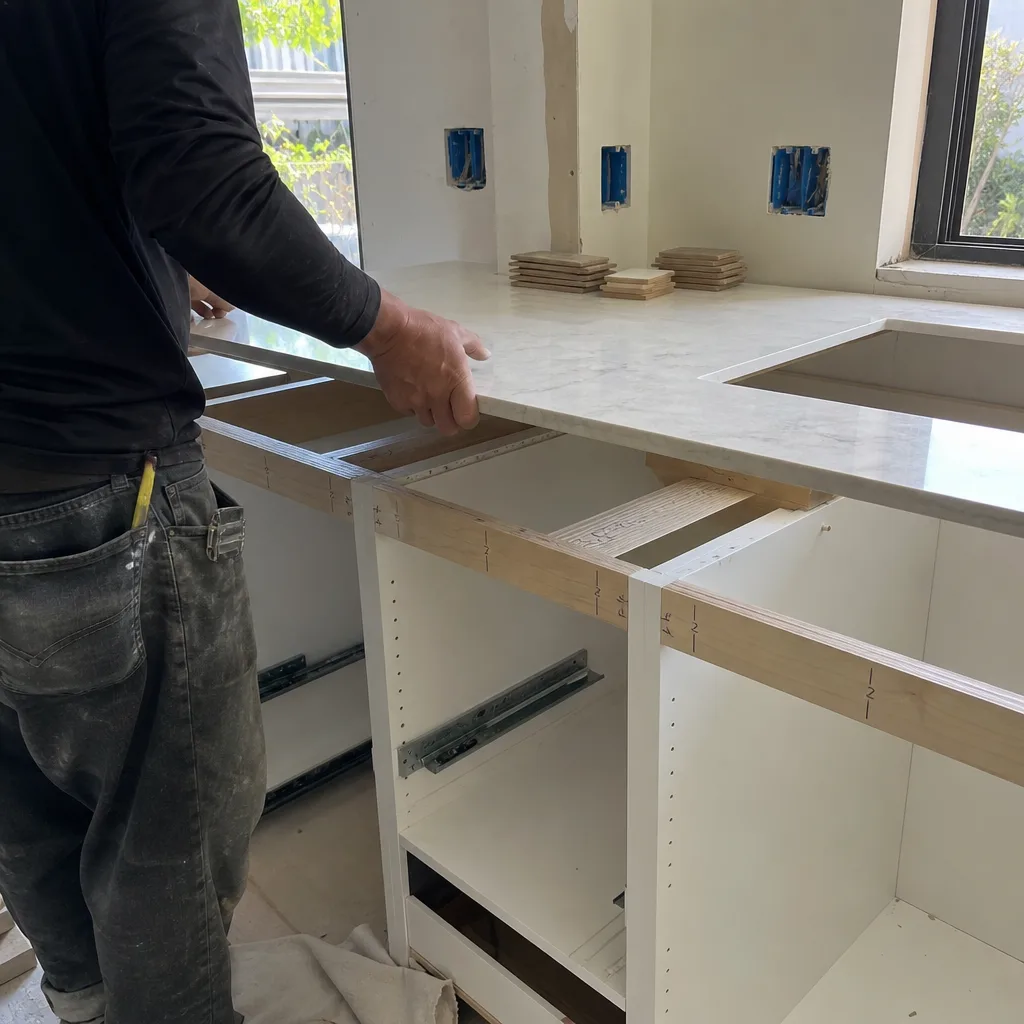
For a Cambria surface, there is very little honest DIY repair. A tiny edge chip can be filled with a quartz repair kit if you already know the color match, but the repair is visible and most owners find it looks worse than the chip after a year of wear. Anything involving seams, cracks, or slab-leveling is a fabrication and installation job, and it requires lifting, shimming, and re-bedding several hundred pounds of quartz. That is not a weekend project, and in a tight Los Angeles ADU kitchen, a dropped slab is a hospital trip, not a lesson learned.
What you can safely check yourself: run your hand along every seam and note whether it catches a fingernail, press on overhangs to test for flex, and look under the slab with a flashlight to see whether support brackets are present and spaced reasonably. Write down what you find. That written description is useful to us, and it is exactly the kind of documentation we build into every visit anyway. If something feels wrong, call (470) 298-9650 and describe it; we will tell you over the phone whether it sounds like a settlement issue, a fabrication issue, or an installation issue, and whether it needs eyes on it this week. The estimate to assess it is free.
FAQs
Cambria quartz lasts 20 to 30 years or more in a properly supported installation, and unlike natural stone it never needs sealing. The limiting factor in Los Angeles is not the quartz itself; it is the framing and cabinetry beneath it, which is why we document support conditions before templating.
A hairline crack at a seam can sometimes be refilled and color-matched, but a crack through the slab body is not reliably repairable and will eventually propagate. We will tell you honestly which category yours falls into before quoting any work, because replacing a slab that could have been repaired is the kind of waste this company was not built to sell. Call (470) 298-9650 with a photo and measurements and we will give you a straight answer.
From template to installed counters is typically five to ten business days in Los Angeles, with the template visit scheduled first and the fabrication happening off-site. The installation itself is usually a single day, and we leave the kitchen usable the same evening.
We order through authorized Cambria fabricators who stock the full current design line; we do not warehouse slabs because keeping inventory of a product with this many design variations is how you end up selling someone a slab that has been sitting in a dusty yard since 2021. What we do stock on the truck: quartz-specific adhesives, seam fill, setting material, support brackets, and polishing compound, so the install crew is not making second trips for materials.
Measure twice, say it once, show your work. That has been the Rowan Construction Group discipline since Grant Rowan founded the company in 2007, and it applies to a $2,360 countertop or a $153,400 Los Angeles ADU the same way. If you have a Cambria surface failing inside a home addition or ADU, or you are planning one and want the countertop spec right before the framing goes up, call (470) 298-9650 for a free estimate. The number we quote will be in writing, and it will not change unless you sign a change order.
Written by Grant Rowan, Owner, Rowan Construction Group at Rowan Construction Group, serving Los Angeles and nearby areas.