
Free written scope consultation - allowances, timeline, and change-order rules on paper before a single trade is scheduled
 Before
 After
After Before
 After
After Before
 After
AfterCGI Fence Installation: The Los Angeles Owner’s Guide
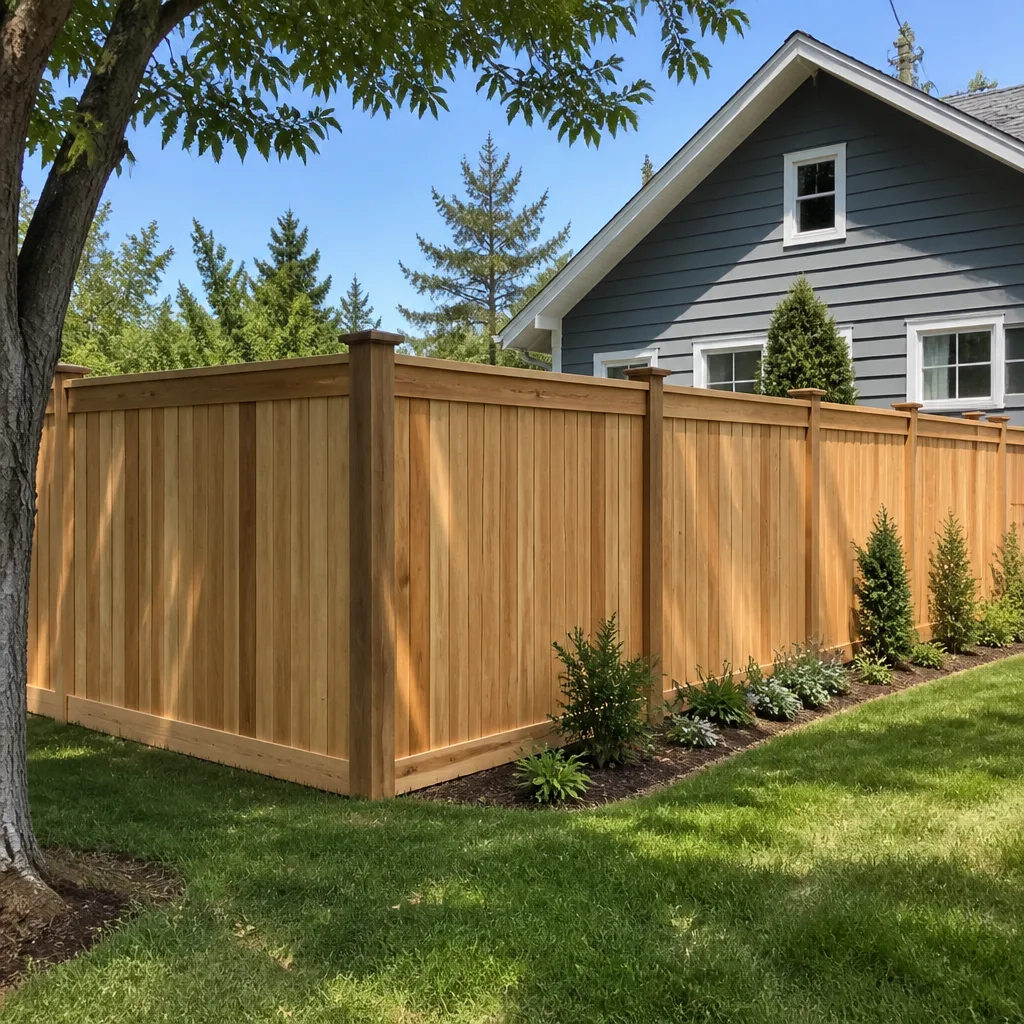
CGI fence installation in Los Angeles typically costs between $4,130 and $10,620, parts and labor included, with most residential projects completed in two to four working days depending on linear footage and post conditions. We stock CGI-compatible fence panels, posts, gates, and hardware in our Los Angeles inventory, and we can usually have a crew on-site within a week of the written quote. Most owners discover a failed CGI fence part the hard way: a panel bows after a winter storm, a gate drags against concrete that has shifted, or a post snap reveals rust that has been eating the steel from the inside for years.
Here’s the reality with CGI fencing in Los Angeles: it’s a steel product, and steel in this city faces two quiet enemies. The first is coastal moisture, even six or eight miles inland. The second is irrigation overspray from sprinklers aimed at the fence line. When those two meet a scratch or a bad weld, the clock starts. We’ll walk through exactly what fails, what it costs to fix, and how we price the work before anyone picks up a tool.
Key Takeaways:
- Installed CGI fence pricing in Los Angeles runs $4,130 to $10,620 depending on footage, post condition, and gate hardware.
- Gerard-style CGI panels, posts, and clips are stocked locally; we match panel profile and pitch before quoting.
- Rust at the post base is the leading failure point in LA, driven by sprinkler overspray and soil contact.
- We are an independent contractor, not a CGI affiliate. That means we repair and replace what is actually failing, not what a brand rep says to replace.
Which CGI Models This Applies To
CGI is shorthand for “corrugated galvanized iron,” but in the fence trade the acronym usually means one thing: the wood-grain steel fence panels and posts popularized by brands like Titan, Sentry, and certain metal roofing manufacturers that also sell fence systems. The panels come in tongue-and-groove or overlapping profiles, with a galvanized base coat and a powder-coated finish on top. We work with the full CGI-style panel range: 6-foot and 8-foot heights, standard 2.5-inch corrugation pitch, and post sizes from 2-inch square to 3-inch square galvanized steel.
Here is the compatibility problem that catches Los Angeles owners off guard: two panels can look identical from a distance and have completely different rib spacing. A Titan panel will not clip into a Sentry post without a modification, and even within a single brand, panels made before 2015 often use a narrower clip channel than current production. Before we quote anything, we measure the panel pitch (the distance from rib peak to rib peak), the clip profile, and the post wall thickness. That single measurement step has saved our customers from buying a pallet of panels that looked right in a photo and did not fit in real life.
On OEM versus aftermarket: for CGI-style fence parts, the OEM route means ordering through the original manufacturer or one of their designated distributors. That works when lead times are short. It stalls when the part is backordered. Quality aftermarket equivalents (Alpine Fence, Master Halco, and a few regional suppliers we have vetted over the years) use comparable gauge steel and identical powder-coat color codes. We are honest about which route makes sense for the job, and the quote names the exact supplier, part number, and cost per unit.
Signs Your CGI Fence Installation Is Failing
- Rust blooms at the post base. This is the number one failure we see in Los Angeles. Sprinkler water hits the post, sits at the concrete collar, and wicks into the post’s interior. The galvanized coating handles moisture, but not standing moisture against a scratch. If you see orange staining at the base, schedule an inspection before the post loses its wall thickness.
- Panels pulling loose from the clips. Wind in the San Fernando Valley and foothill communities tests CGI panels every season. The clips are steel, but they are thin steel. Once a clip fatigues, the panel rattles in its channel, then slips. The fix is not “tighten the screw” - it is usually replacing the clip and checking adjacent clips for micro-cracking.
- A gate that drags or no longer latches. CGI gates are heavy. When a gate post shifts even a quarter inch, the gate geometry changes and the latch plate stops lining up. In LA, post shift is usually caused by soil movement - clay soil expands when wet and contracts when dry, and a post set in concrete will move with it if the footing was too shallow.
- Waviness or buckling mid-panel. Steel panels expand and contract with temperature. On LA’s hot west-facing exposures, a panel without enough expansion clearance at the post channel can buckle. You will see a visible wave in the panel face. This is a panel replacement job, not a cosmetic issue, because the steel has permanently deformed.
- White chalk or flaking on the coated surface. Powder coat degrades faster under LA sun than in most markets. The chalk is the coating’s resin breaking down. Once the base metal is exposed through a flake, oxidation begins. Touch-up paint buys time; proper repair means panel section replacement or full recoating, depending on how far the oxidation has spread.
BeforeAfterReplacement Cost & What’s Included
A full CGI fence installation across a typical 60-foot Los Angeles side yard runs $4,130 to $10,620. The spread is driven by five things: linear footage, post condition (reuse versus replacement), gate hardware, access, and whether the existing concrete footings can be reused. Here is how that breaks down in writing:
- CGI panels: $18 to $34 per linear foot, depending on gauge, height, and whether we run OEM or a vetted aftermarket equivalent.
- Posts (galvanized steel): $28 to $55 per post installed, including concrete footing. If we reuse existing posts, that line item drops off entirely.
- Gate hardware (hinges, latch, drop rod): $85 to $280 per gate, with heavier hardware needed for double gates.
- Labor and site work: $55 to $85 per hour per crew member. Most CGI replacements run twenty to forty hours for a crew of two.
- Haul-off and disposal of the old fence: $150 to $400, depending on how much steel has to come out.
Every quote from Rowan Construction Group is a flat written price with a written scope, delivered before we touch the job. If we find a rotted post base or a concrete footing that is not deep enough once the old fence is down, we stop and bring you a signed change order to review. Nothing proceeds until you sign it. That is Clause 1 of The Haven Standard, and it has kept our projects within a few percent of the agreed number across 4,000-plus jobs since 2007. The work carries our 365-Day Done Right Promise: if it is not done right, we make it right. The warranty is printed, not spoken.
DIY or Call Us?
For CGI fence work, the safe owner-level checks are visual: walk the fence line with a flashlight after a rain, look for rust at post bases, push each panel gently to check for clip play, and photograph anything that looks off. Those photos help us quote accurately over the phone. What we would not recommend doing yourself is pulling a post or replacing a gate post. A CGI panel with a post attached is heavy, and the panel edges are sharp enough to need gloves and care. More importantly, a post set incorrectly in Los Angeles soil will move within two wet seasons, and then the job costs twice as much to fix.
If you are in Los Angeles and want an honest read on whether to patch or replace, call Rowan Construction Group at (470) 298-9650. We will put a written number in front of you before anyone picks up a tool. Measure twice, say it once, show your work.
FAQs
A properly installed CGI fence in Los Angeles lasts twenty to thirty years, with powder-coated panels on the higher end of that range and uncoated galvanized panels on the lower end. The lifespan killer is not age - it is sprinkler overspray at the post bases, which can take a post from sound to unsafe in ten years. Call (470) 298-9650 to schedule a fence-line inspection, and we will give you a written condition report.
In most cases, no. A rusted CGI post has lost wall thickness, and welding a patch onto a structurally compromised post does not restore the load path. If the rust is caught early and the post still has sound steel, we can grind, treat, and coat the affected area. The determination is visual and quick. Call (470) 298-9650 for a free assessment.
A single-panel replacement takes half a day. A full fence line of sixty to one hundred linear feet takes two to four working days, including post work and concrete setting time. Weather in Los Angeles rarely delays the work, but our calendar sometimes does. Call (470) 298-9650 for a written schedule with the quote.
We stock the common CGI panel profiles, post sizes, clips, and gate hardware in our Los Angeles inventory. If your panel is a less common profile, we order it from one of our vetted suppliers - OEM or aftermarket - and the quote names the supplier and part number in writing. You never have to order parts for us. Call (470) 298-9650 for a line-item quote.
Written by Grant Rowan, Owner, Rowan Construction Group at Rowan Construction Group, serving Los Angeles and nearby areas.