
Free written scope consultation - allowances, timeline, and change-order rules on paper before a single trade is scheduled
 Before
 After
After Before
 After
After Before
 After
AfterCWS Roofing: The Los Angeles Owner’s Guide
CWS roofing parts in Los Angeles run between $470 and $2,125 installed for repairs, and we stock the common failure points on our trucks, so most calls get resolved in a single visit. Owners usually discover a CWS component has failed the hard way: a water stain on the ceiling after the first real rain of the season, a tile that slides loose underfoot, or a roof that groans when the Santa Anas kick up. We work on CWS roofing across Los Angeles County, and we are an independent contractor, not a CWS dealer or affiliate. Here is what you need to know before you spend a dollar.
Which CWS Models This Applies To
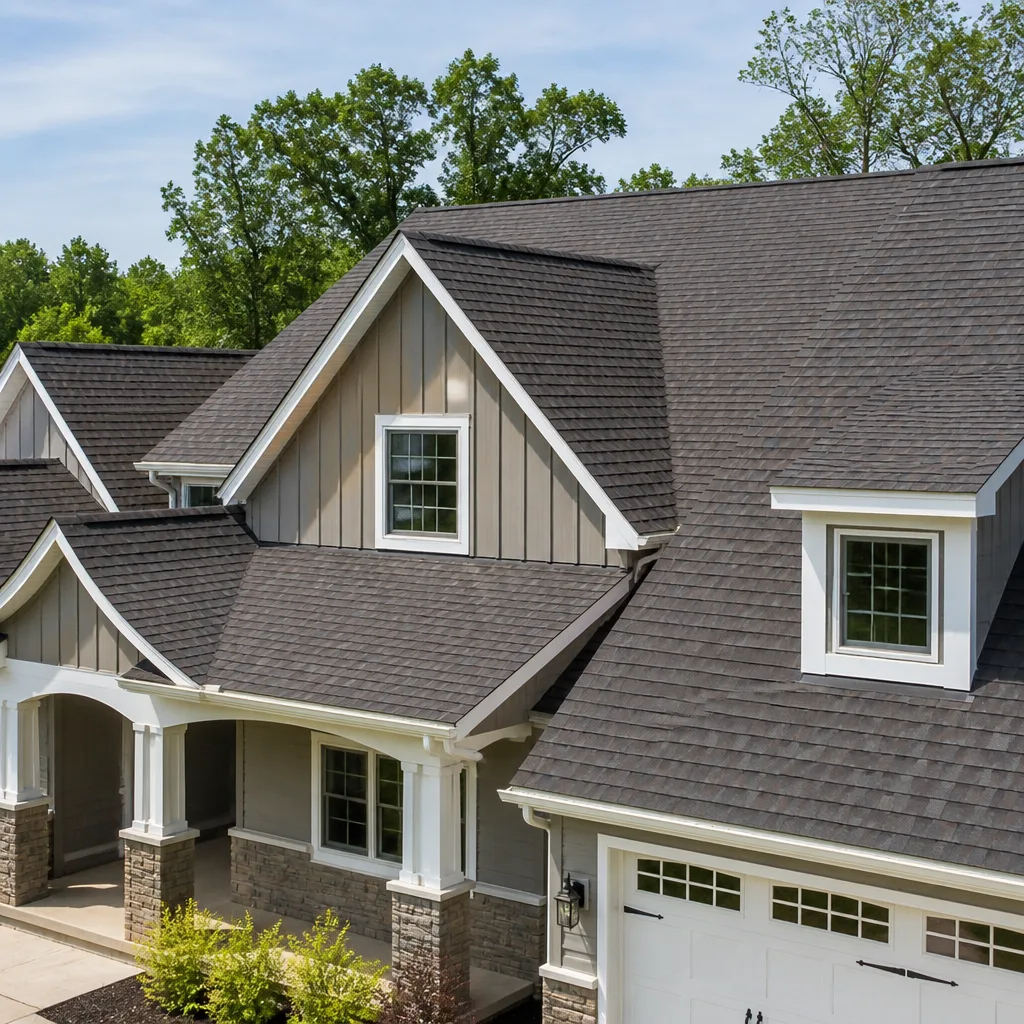
CWS roofing systems in Los Angeles fall into three groups: concrete tile, clay tile, and the underlayment and flashing assemblies that carry them. The first thing Grant Rowan asks on a CWS call is what the tile measures. CWS concrete tiles typically run 13¼ inches by 16½ inches and about ¾ inch thick, with a two-lug or three-lug profile depending on the series. Clay tiles from CWS run thinner, around ⅝ inch, and crack differently than concrete, so matching the tile type matters more than matching the color, especially on a patch job. Underlayment is the part nobody sees and everybody needs. In Los Angeles, the sun does the damage before the rain ever shows up: the average CWS tile roof in this city gets five to eight years less life out of its underlayment than the tile above it. The tile protects the underlayment, but only for so long. If your roof has two layers of underlayment, that is a good sign. If it has one, budget for replacement sooner. OEM CWS parts are the safest match for tile profile and color consistency. Aftermarket underlayment, by contrast, is where we often recommend an upgrade rather than an equivalent: some products outperform the original spec in California heat, and the price difference is minor on a per-square basis. The compatibility gotcha with CWS is the lug pattern. A tile that looks identical from the ground may not seat correctly if the lug spacing is off by a quarter inch, and a tile that does not seat will crack at the first footfall. That is not a tile problem. That is a matching problem.
Signs Your CWS Roofing Is Failing
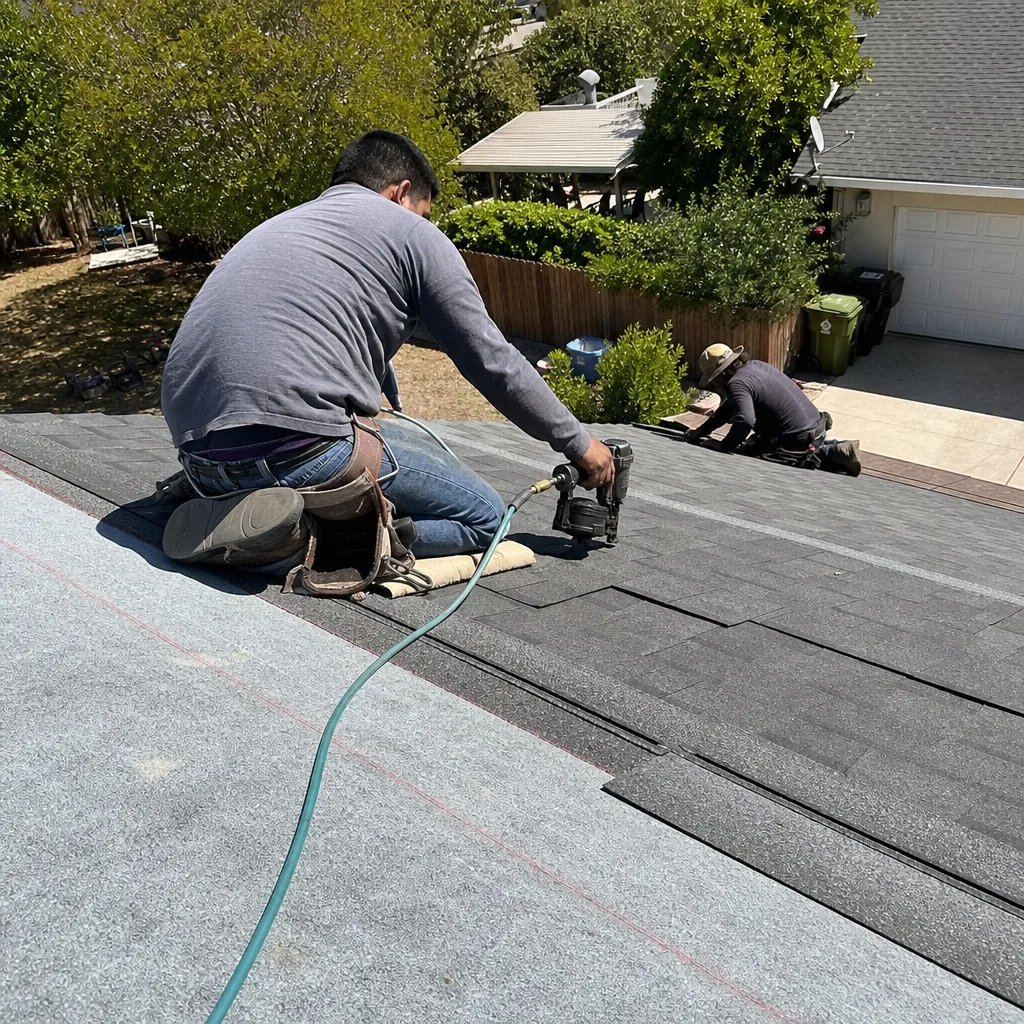
- Ceiling stains that darken after rain. On a CWS tile roof, this usually means underlayment has reached its service limit. The tile itself may be fine. The paper or synthetic layer beneath it is not. In Los Angeles, where rain comes in bursts, this failure is easy to miss until a single heavy storm exposes it. The fix is usually a localized underlayment repair, not a full re-roof.
- Broken or sliding tiles after wind. CWS concrete and clay tiles are heavy, which is the point. When they slide or break, the cause is almost always a failed fastener or a cracked batten underneath, not the tile. Santa Ana winds in Los Angeles are the typical trigger. Every broken tile should be inspected for what let go beneath it, because replacing the tile alone will not hold.
- Granules in the gutter. If you see small sand-like granules collecting at the downspout, that is a sign the tile surface is weathering out. CWS concrete tiles shed surface material as they age. Some loss is normal after 15 years. A lot of loss over a single season means the tile batch is nearing replacement age. Granule loss is measurement, not guesswork: the gutter tells you what the roof is doing.
- Flashing that pulls away at the chimney or valley. CWS roofs in Los Angeles fail at the flashings before the tile fails. The metal expands and contracts with the heat, the sealant dries out in the sun, and the joint opens. This is the single most preventable leak on a tile roof, and the repair is usually under $800 if caught early.
- Damp spots on the attic side of the roof deck. Climb up once a year with a flashlight after a rain. Look at the plywood, not the tile. If the deck is wet or stained around the nails or along the valleys, the underlayment has a breach. The shingle or tile above can look perfect. The deck tells the truth first.
BeforeAfterReplacement Cost & What’s Included
CWS roofing repairs in Los Angeles run from $470 for a single broken tile and its bedding to $2,125 for a valley re-flash with new underlayment and several replacement tiles. Most Los Angeles homeowners spend between $950 and $1,800, because the typical call is not one tile. It is a group of tiles, a section of failed underlayment, and the flashing repair that should have happened five years ago. A full CWS tile roof replacement in Los Angeles runs $9,440 to $23,600, and the single biggest variable is the condition of the roof deck once the old material comes off. Every Rowan Construction Group quote includes the same line items: the CWS tile or aftermarket underlayment by brand and quantity, the labor to remove and re-bed, the flashing replacement if required, and the haul-away. The written price is the price. Under Clause 1 of the Haven Standard, no change proceeds without a signed change order, so the number on the quote is the number you pay. The workmanship warranty is written in the same document.
DIY or Call Us?
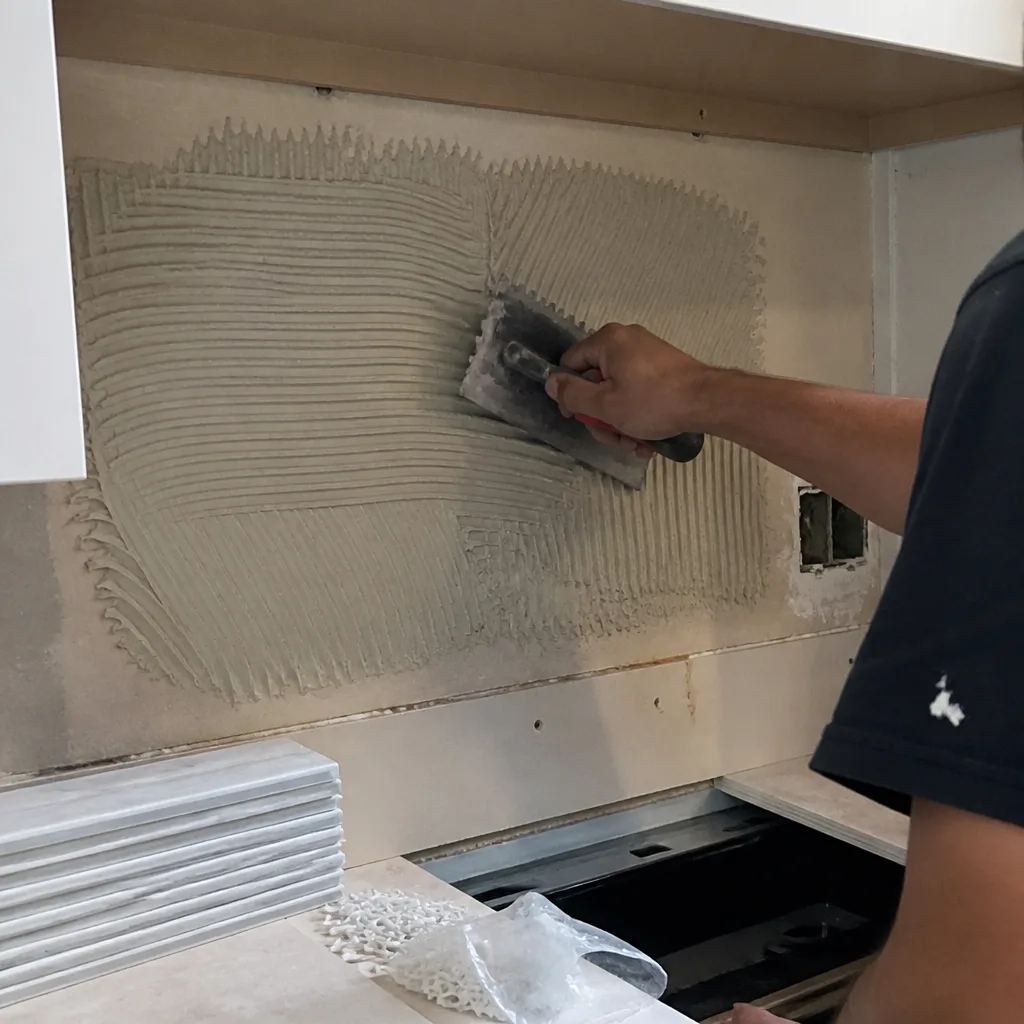
There is a real safety line here, and we will not blur it. A CWS tile roof is a working surface only if you know how to walk it. The tiles are load-bearing, but the load path is narrow. Step between the lugs, not on the edges, and never on a wet roof. The inspection side of the job, an attic check, a gutter check, a ground-level look with binoculars, is fair game for any homeowner. The repair side is not. Tile roofs in Los Angeles are under tension from the fastening system upward, and a tile that lets go while you are on it does not give a second chance. High-slope work and any flashing repair belong on a harness and ladder setup, not a weekend project. The consequence of a dropped tile is damage to your home, your neighbor’s car, or you. If you have found a failed CWS component and want it matched, priced, and fixed by people who do this daily, call (470) 298-9650. We will tell you what we found and what it costs before anyone climbs a ladder.
FAQs
CWS concrete and clay tile in Los Angeles lasts 40 to 60 years as a wearing surface, but the underlayment beneath it typically fails between 15 and 25 years, which means the roof as a system needs its second underlayment long before the tile gives out. We also stock parts for other brands, including KraftMaid, Cambria, and Silestone, but CWS tile is what we see most often on Los Angeles homes built between 1990 and 2015. Call (470) 298-9650 for an exact assessment of yours.
A cracked or loose CWS tile can be repaired in place if the underlayment beneath it is intact and the battens are sound; if the tile is crumbled, the fasteners have failed, or the underlayment is breached, replacing the assembly is the only repair that holds. In Los Angeles, we replace more underlayment than tile. The estimate tells you which one you need.
Most CWS repairs in Los Angeles take one day from setup to cleanup, including the photo record we provide on every visit as standard. A full CWS tile roof replacement on an average Los Angeles home takes five to eight working days, and you will receive a written scope before we start, so the schedule is not a surprise. Call (470) 298-9650 for a written estimate.
We stock the common CWS failure parts on our trucks: replacement tile in the most-used Los Angeles profiles, underlayment by the roll, flashing metal, and fasteners. Uncommon colors and discontinued CWS series take two to five days from our Los Angeles suppliers, and the quote will tell you which bucket your job falls into before you commit.
Written by Grant Rowan, Owner, Rowan Construction Group at Rowan Construction Group, serving Los Angeles and nearby areas.