
Free written scope consultation - allowances, timeline, and change-order rules on paper before a single trade is scheduled
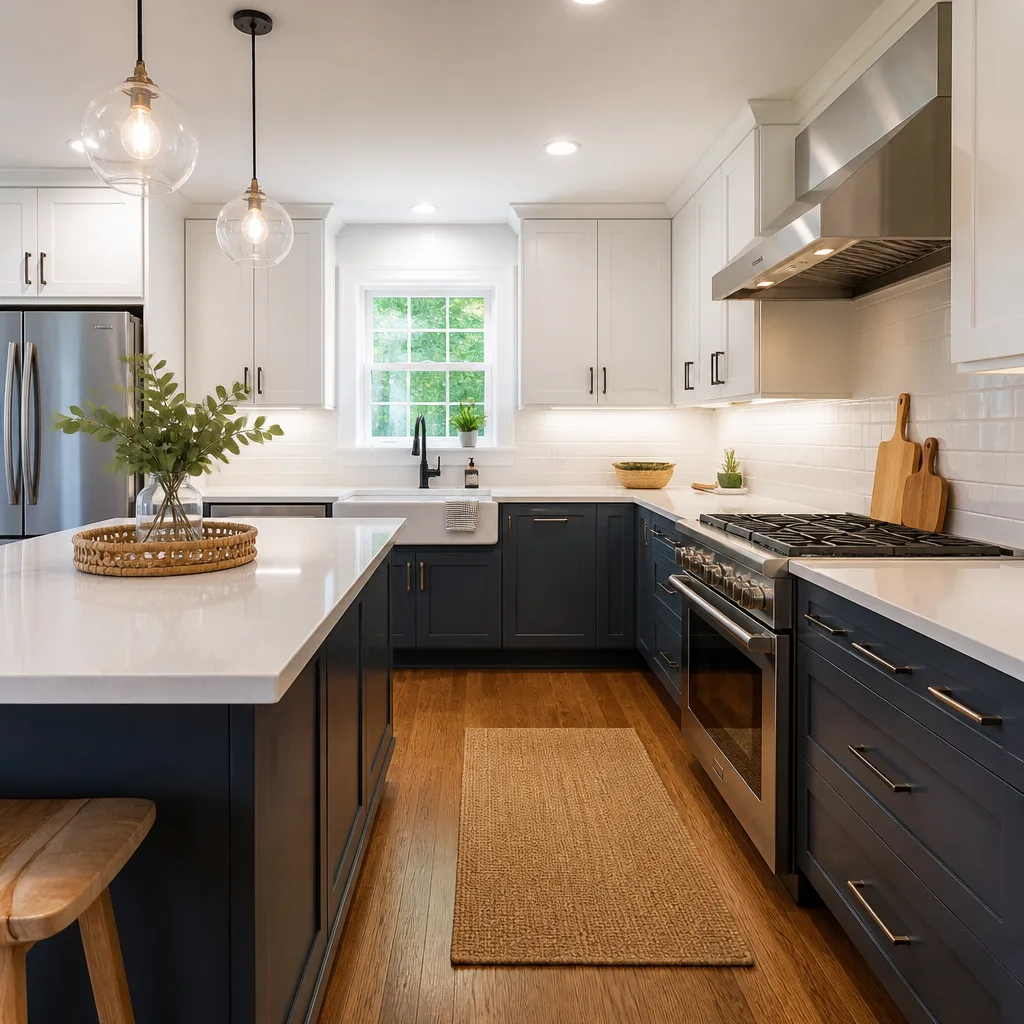
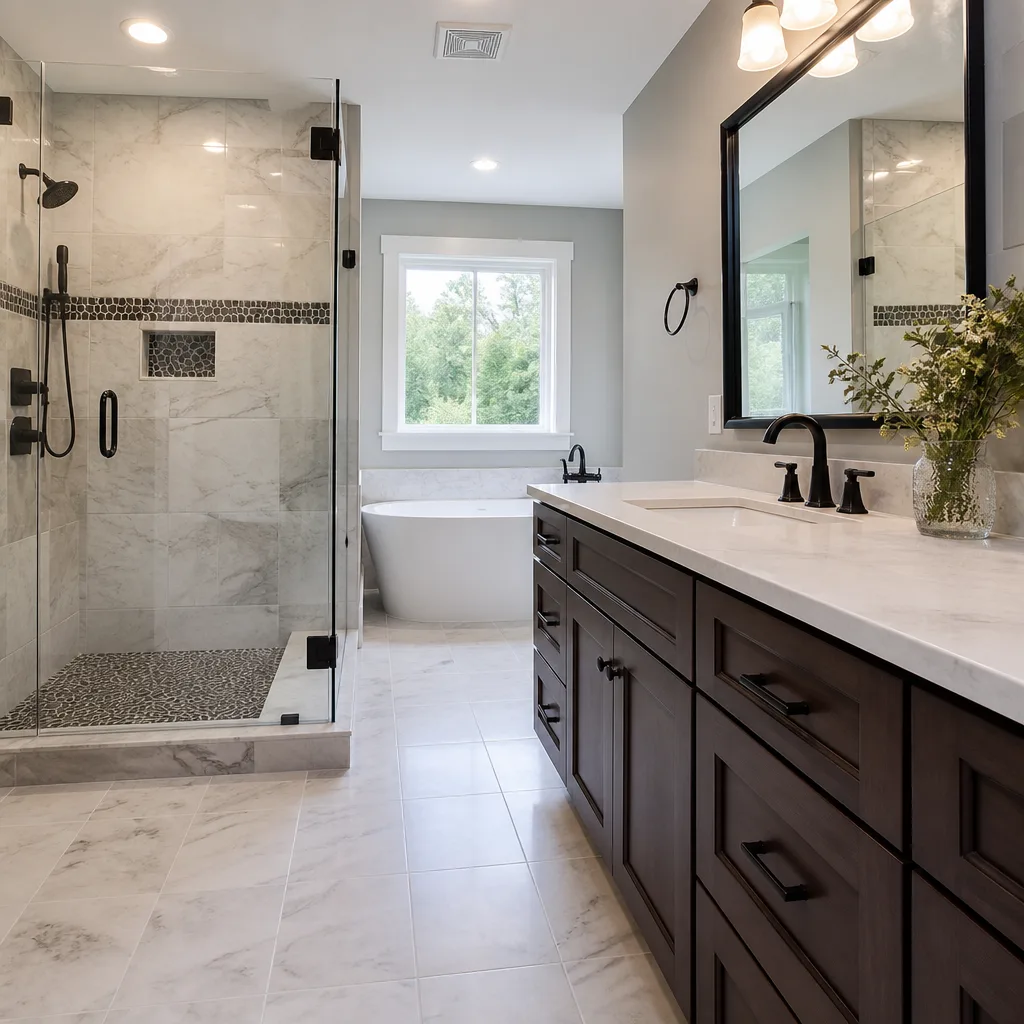
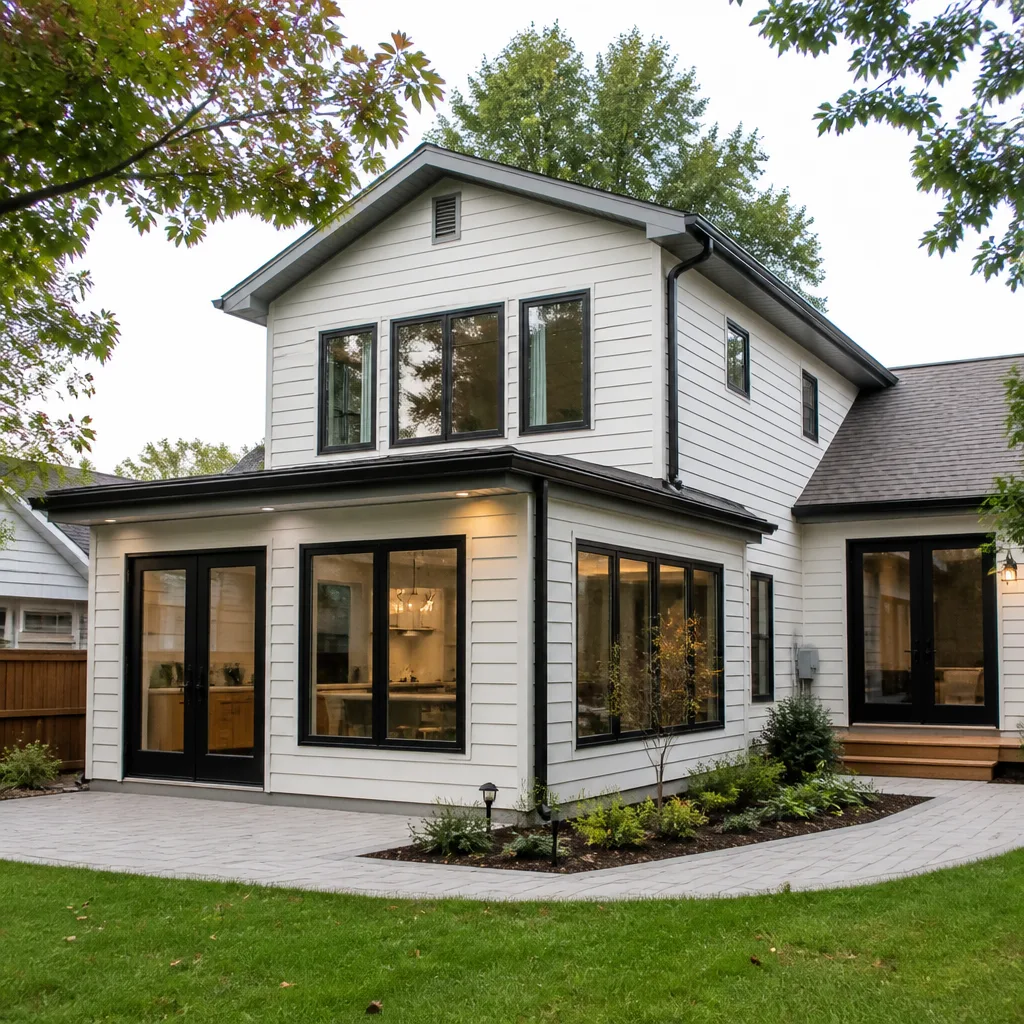
 Before
 After
After Before
 After
After Before
 After
AfterDvele Roofing: The Los Angeles Owner’s Guide
Dvele homes use factory-built wall and roof panels, not site-framed lumber. That changes how roofing problems show up and what it costs to fix them. Roof repair on a Dvele in Los Angeles typically runs $470 to $2,125, while a full roof replacement lands between $9,440 and $23,600 depending on the membrane or panel scope. The symptom that usually gets our call first is a ceiling stain in one corner of a top-floor bedroom, which means water found a seam and followed it before you ever saw a torn membrane on the roof.
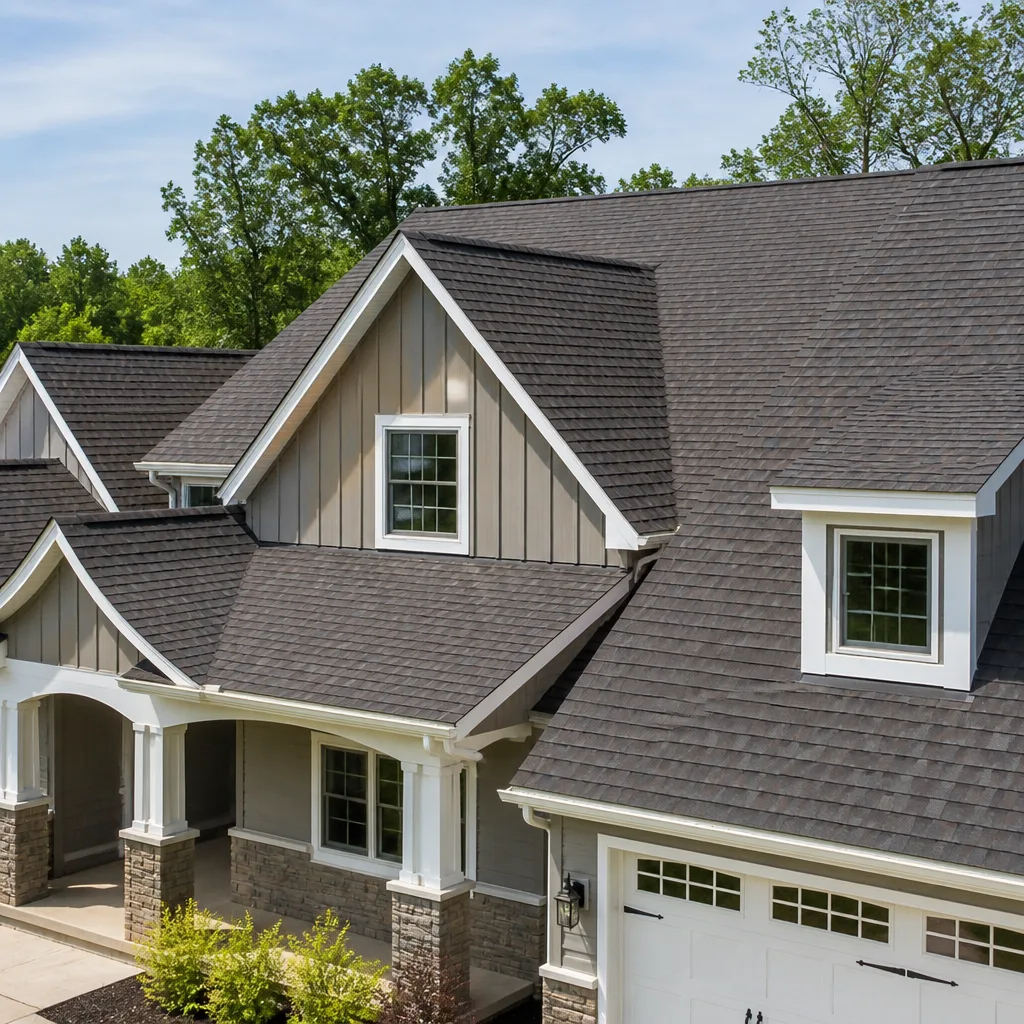
The roofing system itself is a structural insulated panel (SIP) with a factory-applied weather barrier. What you see from outside is a finish layer: metal standing seam, membrane, or occasionally a light-gauge panel system. When that finish fails in Los Angeles heat, it rarely looks dramatic. It starts as a lifted seam, a pucker at a penetration, or a thin line of sealant that has pulled away from the flashing around a vent or skylight curb. Small visual, slow leak, big drywall repair if it gets ignored.
Rowan Construction Group stocks installation hardware and sealant systems matched to Dvele panel assemblies. We’re an independent contractor, not affiliated with Dvele, which matters because it means we carry compatible parts from multiple manufacturers rather than waiting on a single supply chain. Grant Rowan has worked on panelized construction in Los Angeles County long enough to know the failure points by heart, and the first thing we document on every Dvele roof call is a photo record of what the seams actually look like when we get up there.
Which Dvele Models This Applies To
Dvele builds homes as a system more than as a model line. Most Los Angeles Dvele homes we see fall into the standard single-family or the DveleIQ connected-home series, both of which share the same core panel construction: engineered SIP roof panels that arrive on site with the water-resistive barrier and furring strips already in place. The finish roof system (standing seam metal, membrane, or tile over a sloped panel) gets installed after panel set.
Compatibility turns on two details. First, the roof panel thickness: Dvele roof panels are typically 10-1/4″ or 12-1/4″ thick, and the fasteners and flashing details differ between the two because the screw penetration through the SIP outer skin changes. Second, the seam treatment: standing seam roofing over a Dvele roof usually runs across panel joints, and the clip spacing is set by the panel joint layout printed on the original factory drawings, not by the roofing contractor’s preference. If you have your construction set, the roof panel drawing is the single most useful document to have ready when we quote. It tells us the fastener map and the exact curb dimensions for any skylight or vent penetration.
OEM parts matter less on Dvele roofs than system compatibility. Dvele does not manufacture a proprietary membrane or panel. The roof finish is third-party material installed over their panels, which means a quality aftermarket sealant or flashing from a manufacturer like GAF or Owens Corning often matches or exceeds the original install. The one place we hold the line on exact spec: SIP-rated panel screws. Ordinary deck screws snap under the thermal movement of a panel roof, and that is not a corner worth cutting. We stock SIP-rated fasteners in both common panel thicknesses on the truck.
Signs Your Dvele Roofing Is Failing
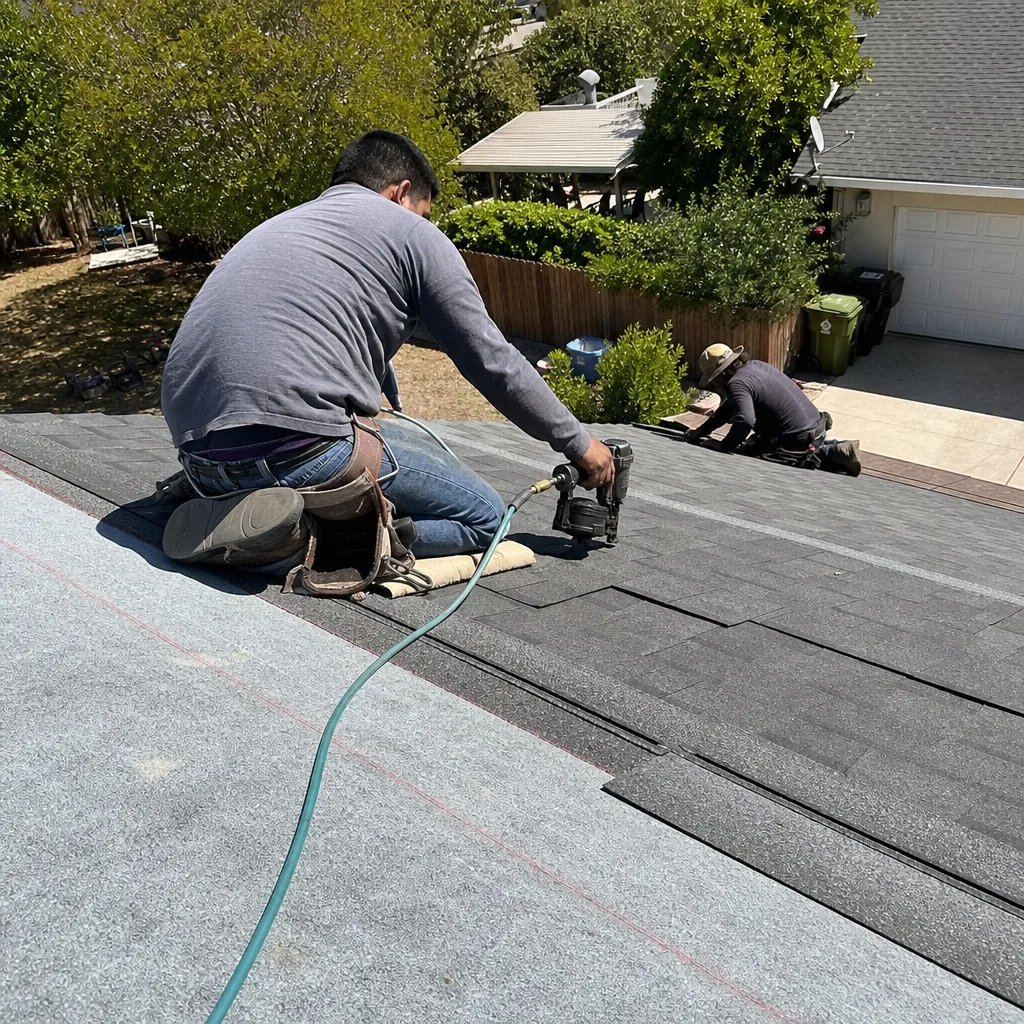
- Ceiling stain in an upper-floor corner. Panel seams run in straight lines, and water that breaches a seam tends to travel along the panel edge before dropping at a wall intersection. The stain is almost never directly under the leak.
- Lifted or puckered standing seam near a penetration. Los Angeles sun cycles panel surfaces past 140 degrees in summer, and sealant that was tight at install can pull away from vent pipes after a few years of expansion and contraction. You usually see the failure at the pipe floor or skylight curb before it reaches the seam itself.
- Visible sealant cracking at panel joints. Factory panel joints on a Dvele roof move slightly with temperature and wind load. When the sealant loses flexibility, the joint opens hairline gaps that let water in slowly. This is the classic low-slope Dvele problem we fix for under $700 when caught early.
- Rust trails or discoloration below metal flashing. Galvanic corrosion is real in coastal Los Angeles air. When the flashing metal and the standing seam metal are dissimilar, the fastener point becomes the sacrificial spot, and you get rust stains running downhill from every screw within a season or two.
- Condensation or musty smell in the roof assembly, not the room. A SIP roof that traps moisture inside the panel core shows up as a smell first, not a leak. You might also see plaster cracks along the ceiling’s panel joint lines as the OSB outer skin softens. This is the failure we tell people not to ignore, because panel core replacement costs more than a finish roof repair by a wide margin.
BeforeAfterReplacement Cost & What’s Included
In Los Angeles, Dvele roof repair runs $470 to $2,125 for typical scope: seam resealing, flashing replacement at one or two penetrations, or a small membrane patch over the SIP surface. The low end is a single seam treatment with sealant and new fasteners. The high end is multiple penetrations, curb rebuild, and a panel joint that needs removal and resetting.
Full roof replacement on a Dvele home runs $9,440 to $23,600. The spread comes down to three factors we put in writing before anyone starts. First, finish system: standing seam metal is at the top of that range, membrane and tile repair fall below it, and full metal roof installation runs higher, $17,700 to $47,200. Second, deck condition: if water has damaged the SIP top skin, panel repair or replacement adds real cost, and we document it with photos before adding a signed change order. Third, access: Los Angeles hillside Dvele lots with steep driveways change crane or lift logistics, and you should know that before the crew arrives.
Every quote from Rowan Construction Group includes parts, labor, disposal, a written scope with the exact materials named, and our 365-Day Done Right Promise. If we replace a seam and it fails within a year, we make it right under The Haven Standard, not under a handshake. The warranty is printed on the quote.
DIY or Call Us?
What you can safely do from the ground: photograph the roof from multiple angles, especially around any vent pipes, skylights, or solar mounts. Mark the ceiling stain with painter’s tape and note whether it grows after rain. Clear debris from any accessible gutter or scupper if you can do it from a secure ladder. Those observations make our quote faster and more accurate.
What you should not do: walk a Dvele panel roof without knowing the panel joint layout. Panel roofs do not have a rafter under every footstep the way stick-framed roofs do, and a panel edge is not a truss line. Cracked SIP skins become a structural issue, not a surface one. Working at height on a panelized roof also means dealing with the same fall risk as any Los Angeles roof, and a fall is not the cheap fix. If you see seam separation or rust trails, call (470) 298-9650 and we’ll get up there with the right fasteners, the right sealant, and a camera. The estimate is free, and the photo record of what we find comes with it.
FAQs
A properly installed standing seam finish over Dvele panels lasts 40 to 50 years in Los Angeles, but the sealant at penetrations and panel joints has a much shorter service life: 8 to 15 years depending on sun exposure and coastal air. The structural roof panel lasts the life of the home if the finish layer keeps water out of the OSB skins. Call (470) 298-9650 and we’ll tell you what condition your seals are actually in.
Most Dvele roof failures we see in Los Angeles are repairable, because the failure is in the finish layer or the sealant, not the structural panel. If the SIP core is dry and the OSB skins are intact, we can reseal, reflash, or patch the affected area without touching the panel assembly. If water has been entering the panel core long enough to soften it, replacement of that panel section is the honest fix. We document either finding with photos before any work proceeds.
Most seam resealing and flashing replacements on Dvele roofs take one day on site, often a morning. The sealant we use needs to be applied within a specific temperature range, so on hot Los Angeles afternoons we schedule the work early or on a cooler day rather than rush a cure. Panel section replacement takes two to four days depending on the section size and whether the finish layer must be removed and reinstalled.
We stock the common consumables on the truck: SIP-rated panel screws in both common Dvele panel thicknesses, sealant systems matched to panel joint movement, and flashing materials compatible with the finish roof types used on Dvele homes. For full panel replacement we order the exact panel thickness from our supplier, which typically adds three to five business days. You’ll see the lead time in writing before you sign anything.
Written by Grant Rowan, Owner, Rowan Construction Group at Rowan Construction Group, serving Los Angeles and nearby areas.