
Free written scope consultation - allowances, timeline, and change-order rules on paper before a single trade is scheduled
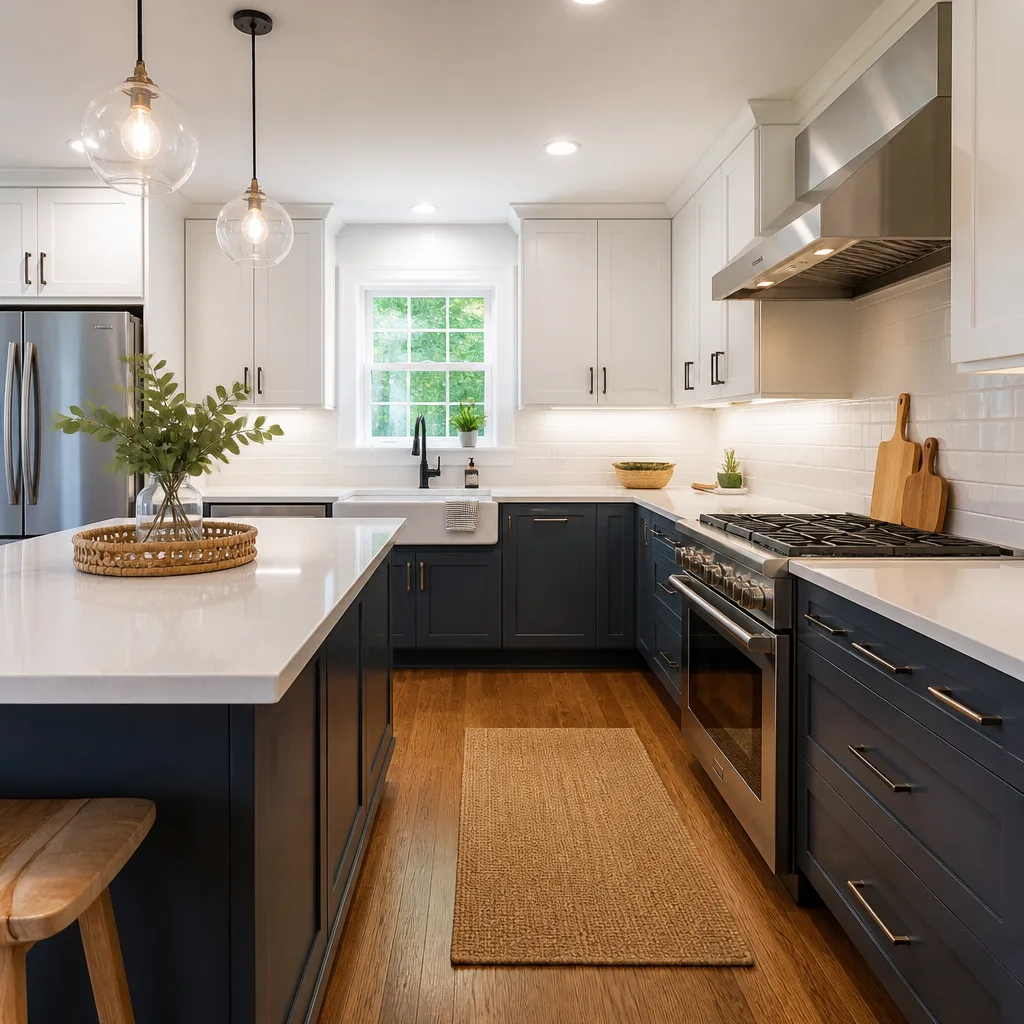
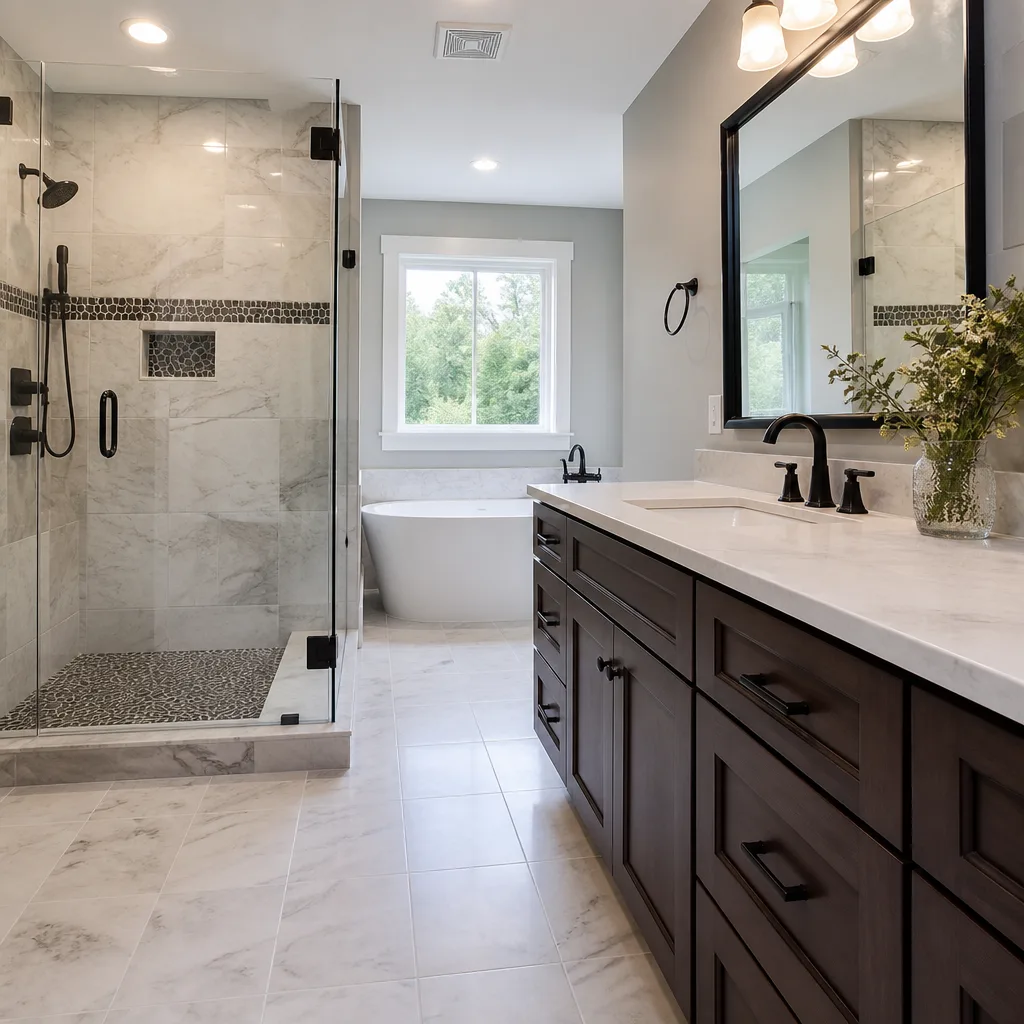
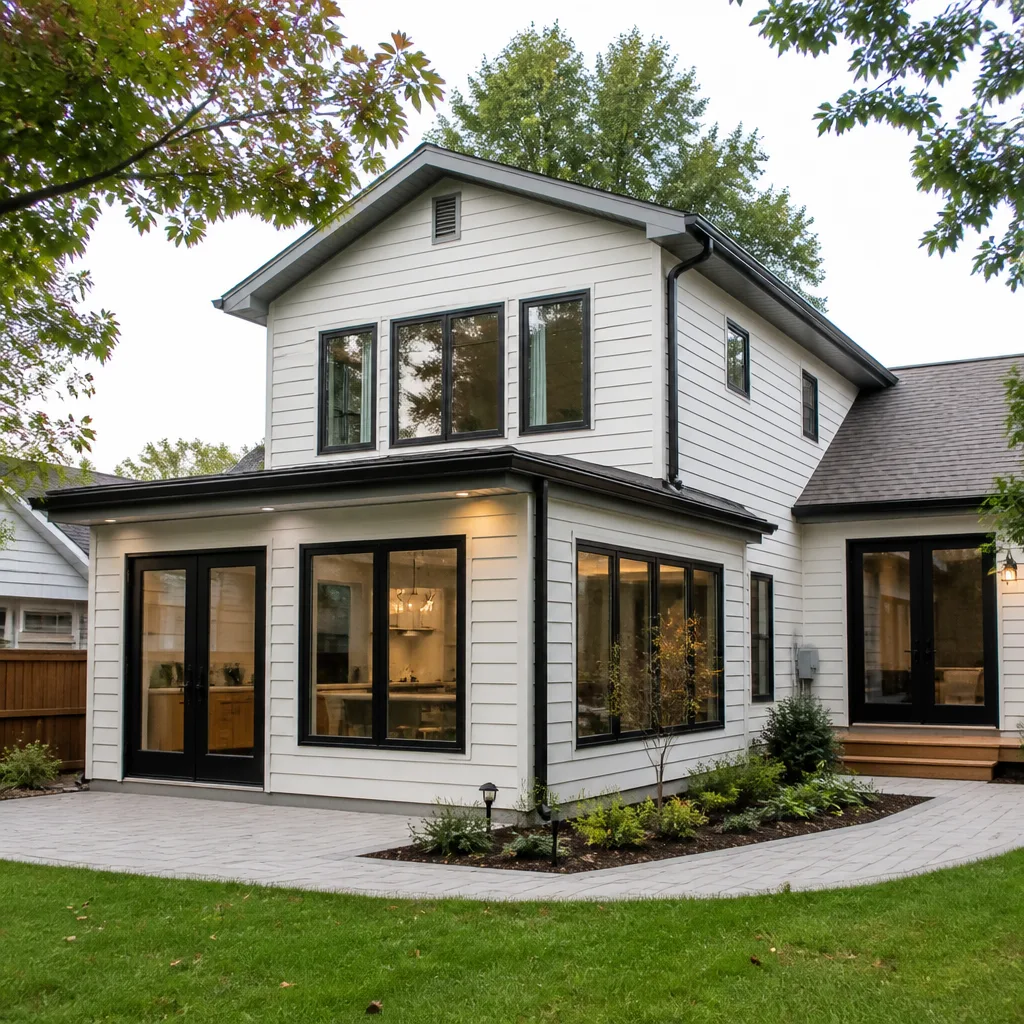
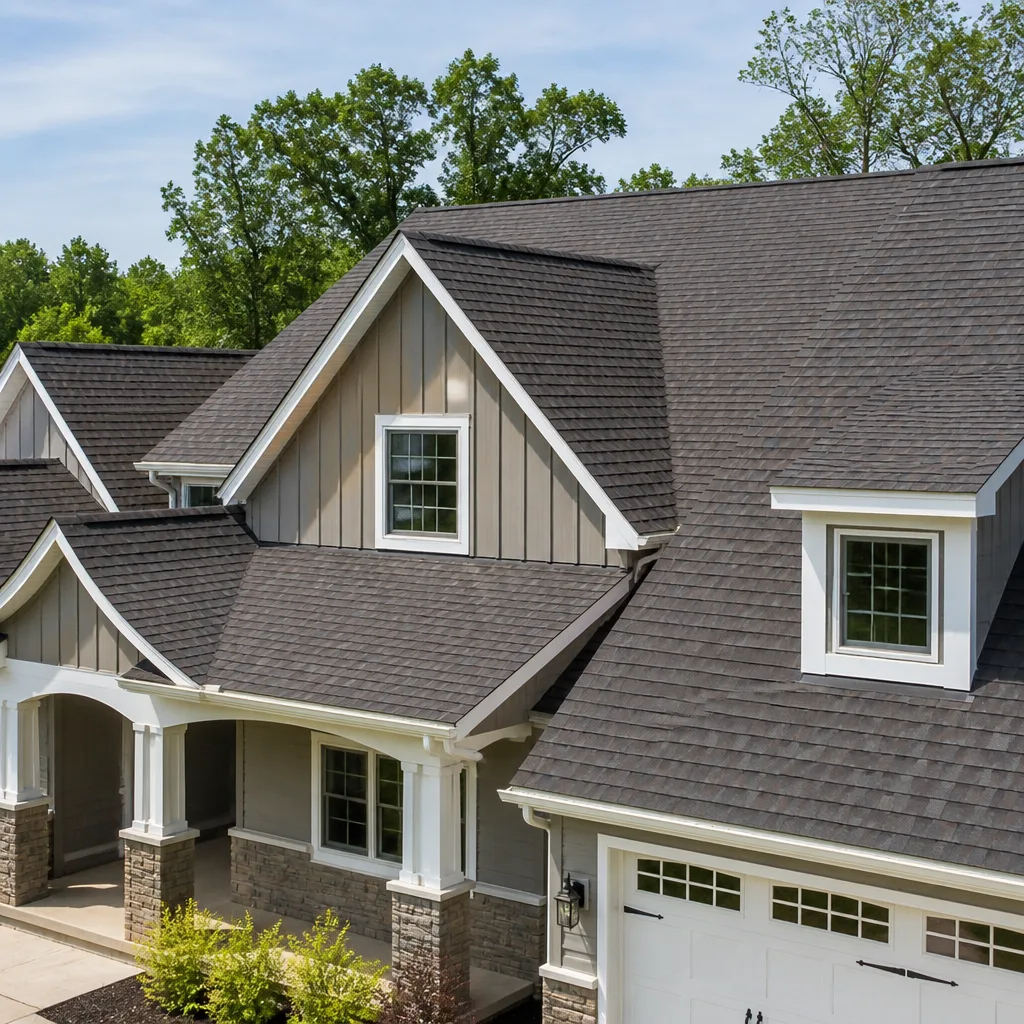
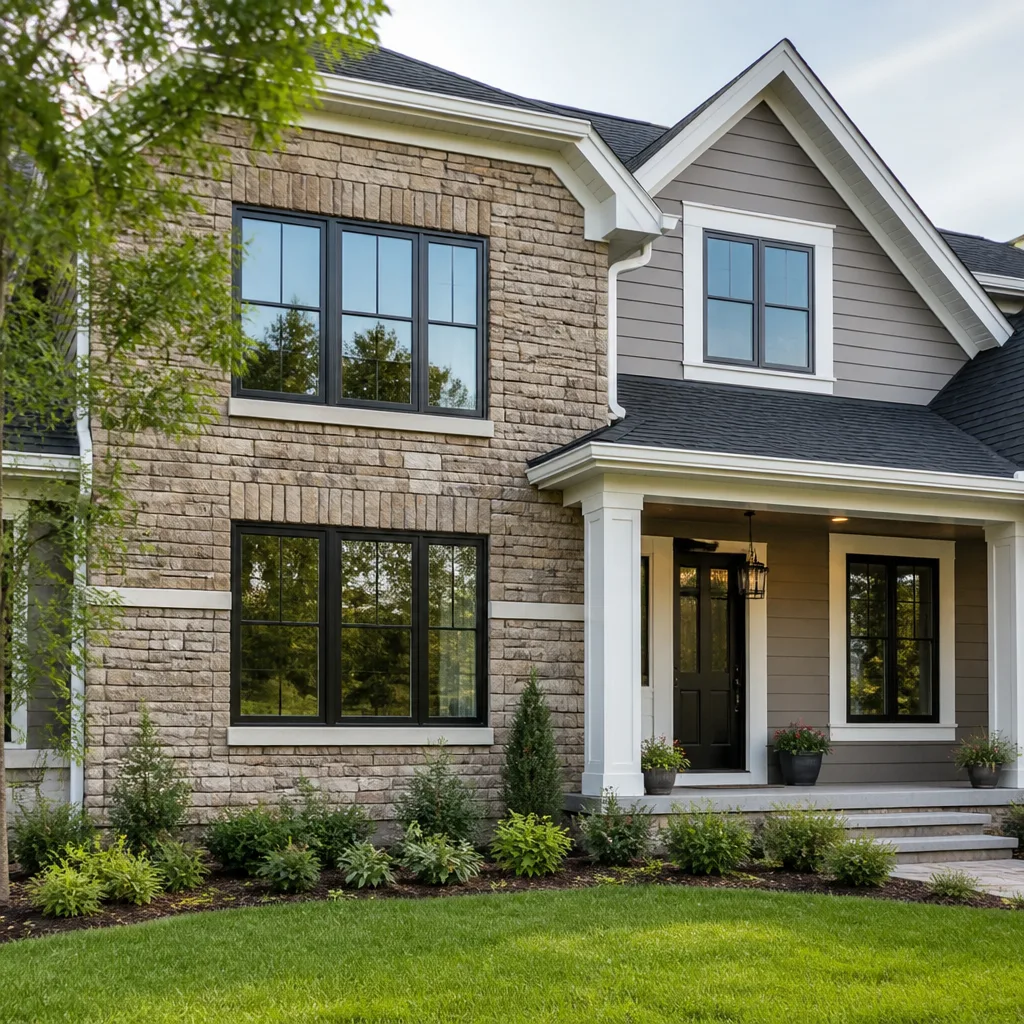
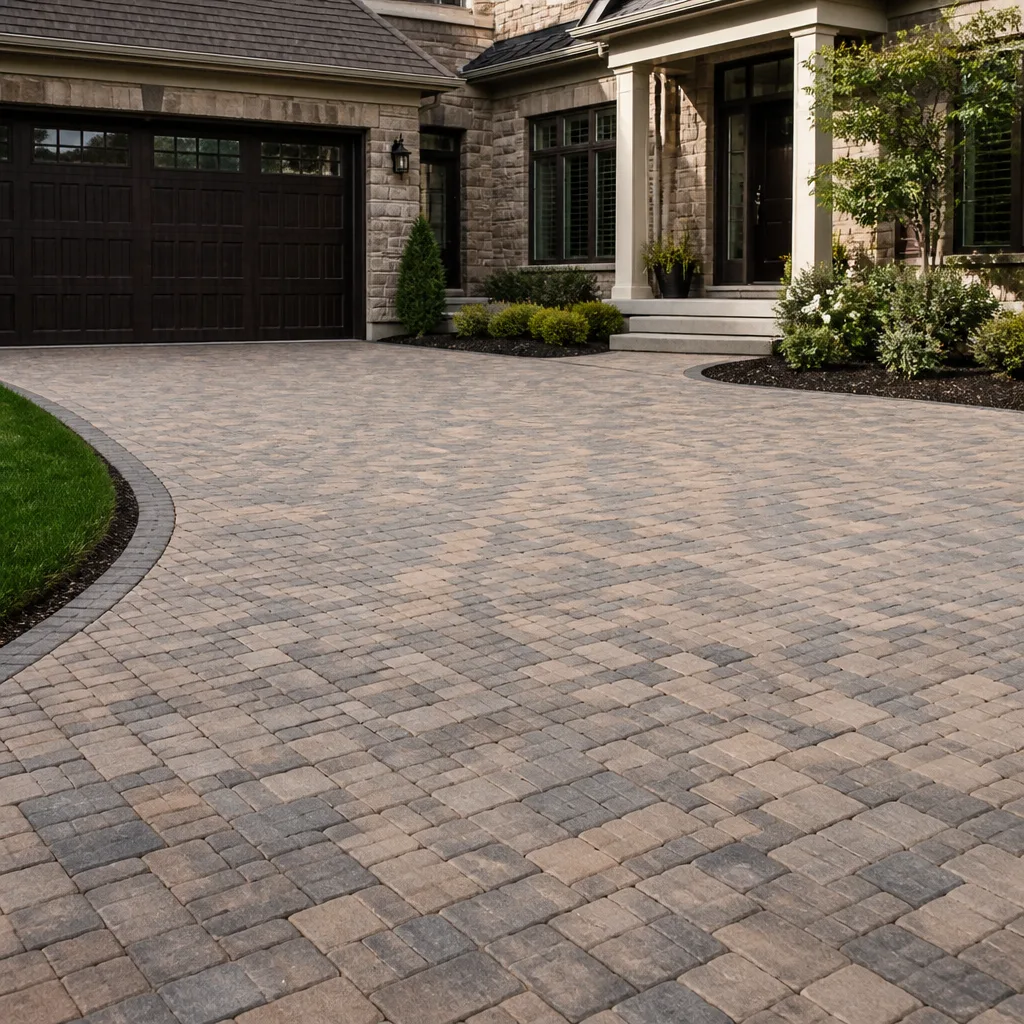
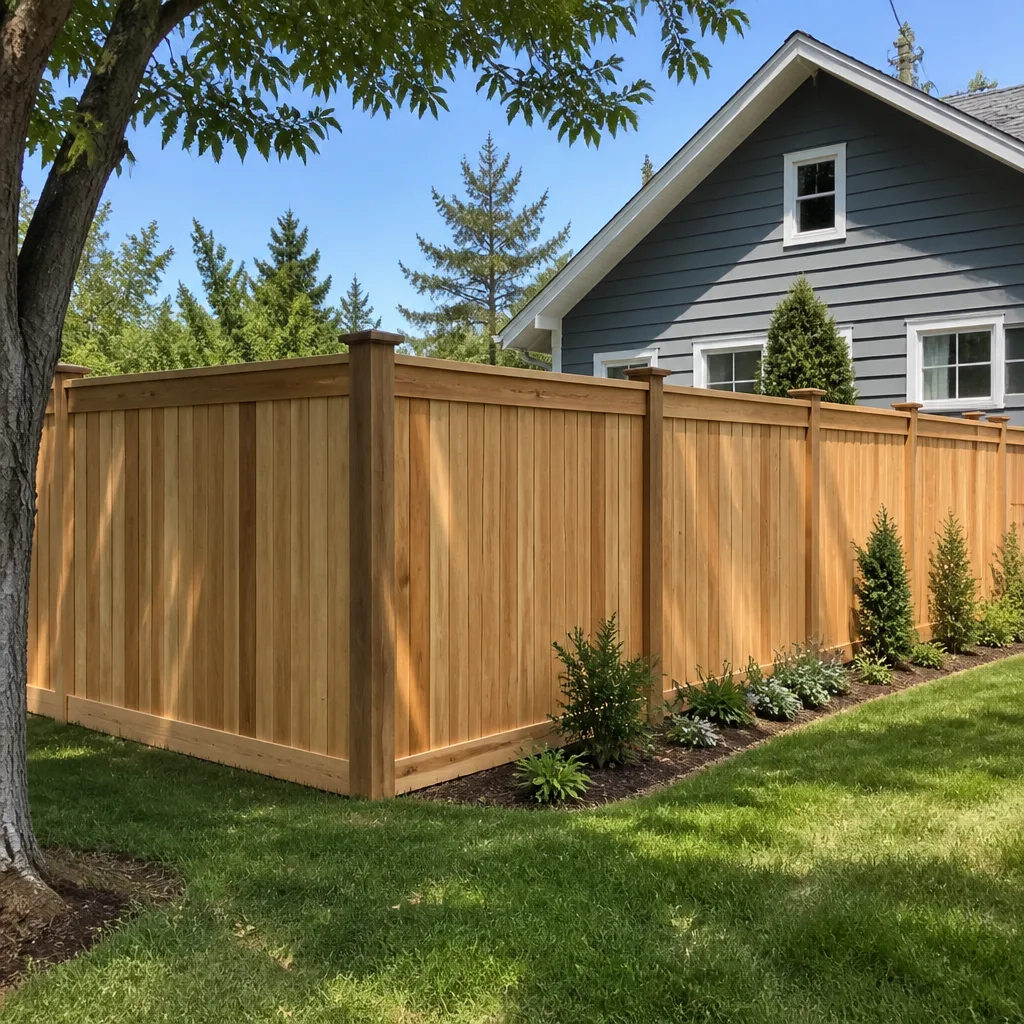
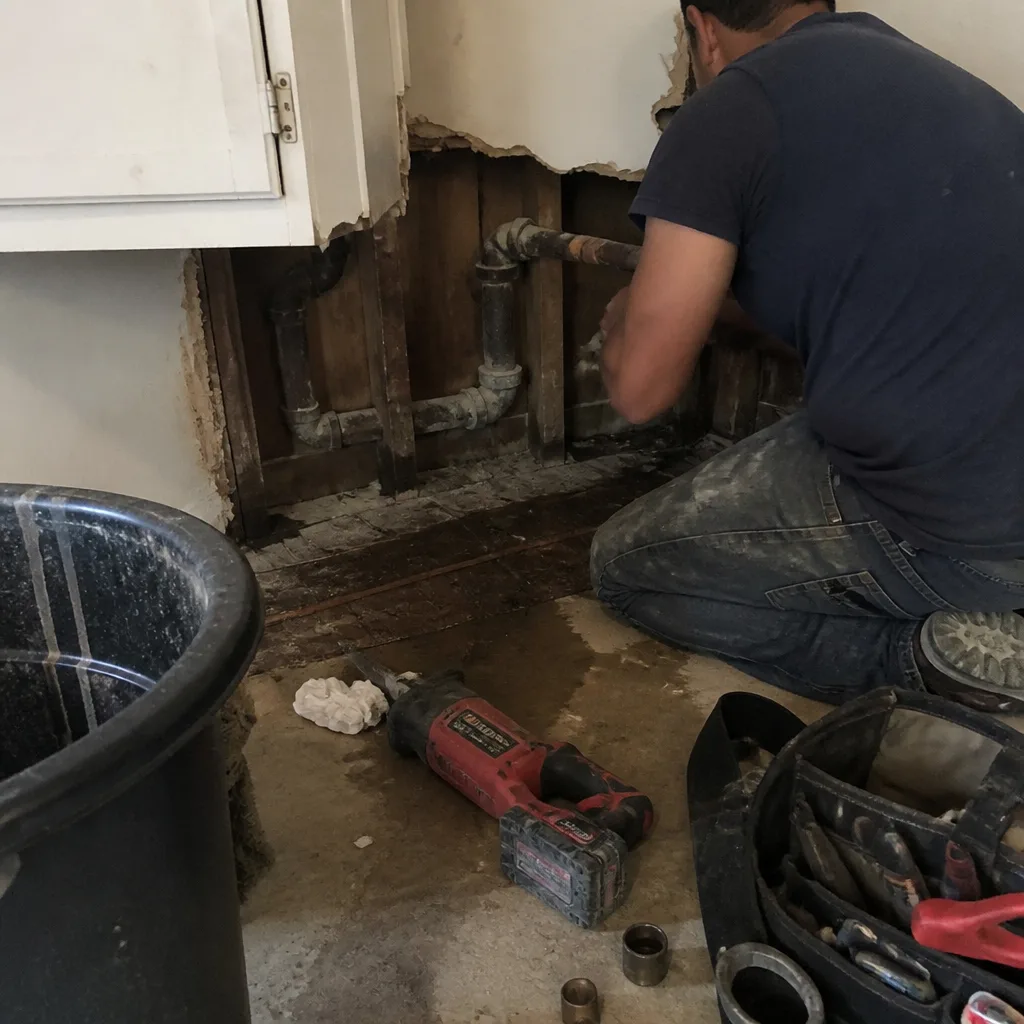 Before
 After
After Before
 After
After Before
 After
AfterES Windows Home Additions & ADU: The Los Angeles Owner’s Guide
An ES Windows home addition or ADU in Los Angeles typically runs $53,100 to $153,400 when built to code with engineered plans, permits, and ES Windows products specified in the window schedule. We install and service ES Windows across Los Angeles County, and we stock the hardware, weatherstripping, and replacement sashes that keep existing ES Windows units functioning while the addition goes up around them. Most homeowners call us after a renovation attempt stalls: the contractor can’t source the matching ES Windows series, the inspector flags the window flashing detail, or an existing ES Window in an adjacent wall starts binding after the new framing settles. The good news is that all of it is addressable with the right documentation and the right parts on hand. We’re an independent contractor, not an ES Windows dealer or affiliate, which means we can tell you honestly when a part is worth replacing versus rebuilding, and when a window should be pulled forward into the addition scope rather than patched around.
Which ES Windows Models This Applies To
ES Windows in Los Angeles homes fall into a handful of series lines, and the parts are not interchangeable across all of them. The most common lines we see on mid-century and 2000s-era Los Angeles houses are the ES 7000/7100 aluminum frame windows, the ES 8000 thermally broken aluminum series, and the vinyl-hybrid lines that gained traction in the 2010s. The key identifier is the etched label on the interior sash edge or the frame corner: it carries a four-digit series number and a manufacture date. If the label is worn off, the glazing bead profile is the next best tell. ES 7000 glazing beads snap flat; ES 8000 beads have a deeper return lip that matches the thermal break profile. Wrong bead, wrong seal compression, premature weatherstrip failure. When we quote a home addition or ADU, we pull the existing window schedule and note which ES Windows units are staying, which are getting replaced, and which need new glazing or hardware to survive the construction phase. The OEM-versus-aftermarket decision on ES Windows parts is straightforward for us: rollers, locks, and weatherstripping have quality aftermarket equivalents we stock and install without hesitation. Glazing beads, sash frames, and hardware carriers should be ES-contoured because the extrusion profiles are not well-cloned. We err OEM on those.
Signs Your ES Windows Home Additions & ADU Is Failing
- Sash drags or drops on one side. The roller carriers on ES Windows sliders sit in a single track; when the carrier bushings wear flat, the sash tilts and the lock miss-aligns. On Los Angeles hillsides, even a slight foundation settle accelerates this because the window frame racks with the house.
- Condensation between the panes at night. This is a failed insulated glass unit, not a house humidity problem. The argon gas has escaped through a bead seal that dried and cracked. We see this most on east-facing ES Windows where the morning sun and cool marine layer create a wide temperature swing.
- You can feel air moving around a closed sash. The weatherstrip in ES windows is a flap seal that seats against the sash leg. After seven to ten years of Los Angeles heat, the flap loses memory and lies flat. The fix is a strip replacement, not a window replacement, unless the frame is racked beyond a quarter inch out of square.
- The lock won’t engage without forcing it. Forcing an ES Windows lock is how the keeper strips and the sash ends up permanently unlocked. This is usually tied to the drag issue above. The lock position is fixed to the frame, so if the sash lands low, the lock will never line up.
- Water stains on the interior sill after rain. We get maybe 15 real rain days a year in Los Angeles, so these stains are often missed for months. The culprits are usually a failed horizontal sill gasket or a missing weep cover. In ADU-conversion scopes, it’s often a flashing mistake from the original garage-to-studio work, not the window itself.
BeforeAfterReplacement Cost & What’s Included
On a Los Angeles home addition or ADU where ES Windows are being installed new or replaced as part of the scope, the full project typically lands between $53,100 and $153,400 depending on square footage, foundation work, utility runs, and the window count. When we’re servicing ES Windows hardware and parts directly, a single sash roller carrier replacement runs roughly $140 to $320 per window in labor and parts. A full weatherstrip replacement on a standard slider runs $180 to $400. A new insulated glass unit for an ES Windows sash runs $260 to $610 depending on the glass package and whether it’s a Low-E replacement. Every one of those numbers is a written, line-item price before work starts, never a verbal estimate. Change orders for unforeseen conditions, like a rotted sill or a racked opening, go through our signed change process before any work proceeds. That’s why our Los Angeles clients see project totals that come in within a few percent of the agreed number. The workmanship warranty is on the record in every quote.
DIY or Call Us?
What you can safely check on your own: whether the sash is visibly out of square with a tape measure, whether the label is still legible on the sash edge, and whether air is moving around a closed window. That recorded information helps us arrive with the right parts on the first trip. What we don’t recommend DIY-ing on ES Windows: removing an ES sash carrier under tension, re-seating a glass unit into a glued bead, or pulling a frame out of an existing addition wall to realign it. Slider sashes on ES frames are heavy; a dropped one can shatter on the Los Angeles concrete or brick sills common in older ADU builds. Grant Rowan grew up in the Crenshaw district, where window frames spent decades torquing and settling alongside their houses, and the training at Los Angeles Trade-Technical College drove home the same point the field work later confirmed: measure twice, say it once, show your work. We’d rather you call the office, describe what the window is doing, and let us put a written price in front of you. Call (470) 298-9650.
FAQs
ES Windows aluminum frames in Los Angeles commonly last 25 to 35 years before the frame itself needs real attention; the wear components (rollers, weatherstripping, locks) last 8 to 12 years. The marine-layer humidity near the coast tends to shorten the seal life on insulated glass units faster than the dry Valley heat, but both climates see failures inside of 15 years. For an exact read on your specific series and exposure, call (470) 298-9650 and we’ll document the condition in a written report.
Yes, in most cases, and we find that roughly 70 percent of ES Windows hardware failures in Los Angeles homes are repairable without removing the frame. Locks, rollers, and weatherstripping are replaceable components, and those repairs run in the hundreds of dollars, not thousands. The exceptions are when a sash frame has been deformed by force, or when the frame itself has racked beyond shimming tolerance.
A typical ES Windows hardware repair, like a roller carrier or lock replacement, takes 45 to 90 minutes per window once we’re on site. An insulated glass unit replacement takes about two hours because the old unit has to be cut free of the bead seal and the new unit re-set and shimmed. Home addition and ADU projects with ES Windows in the scope run on a different timeline, usually three to six months from permits to final inspection.
Yes, our Los Angeles service trucks carry ES Windows-compatible roller carriers, lock assemblies, flap and compression weatherstripping, glazing beads, and weep covers for the 7000 and 8000 series. That means a high percentage of hardware repairs are completed in one visit. For unusual extrusion profiles or legacy ES series no longer widely distributed, we source the matching part and schedule the install once it’s in hand. Call (470) 298-9650 and we’ll tell you plainly whether your part is on the truck or on order.
Written by Grant Rowan, Owner, Rowan Construction Group, serving Los Angeles and nearby areas.