
Free written scope consultation - allowances, timeline, and change-order rules on paper before a single trade is scheduled

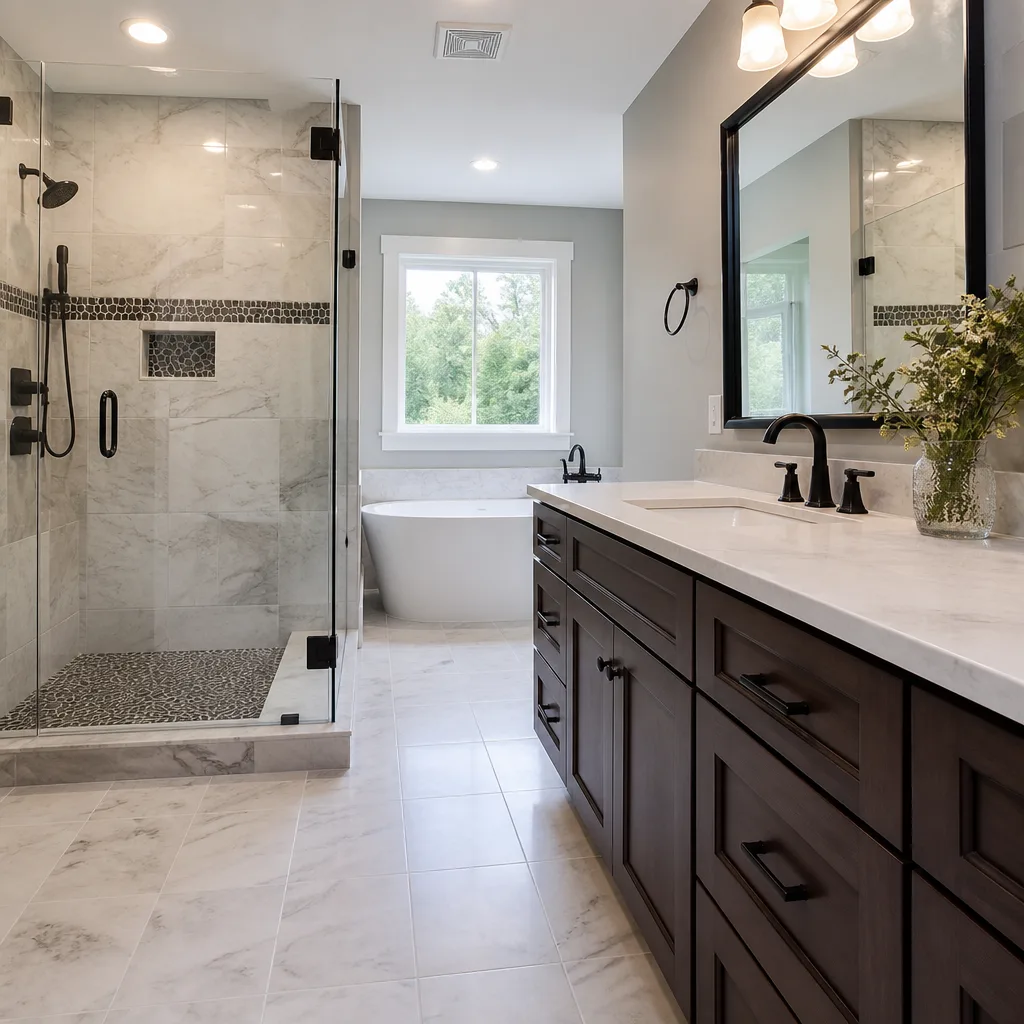



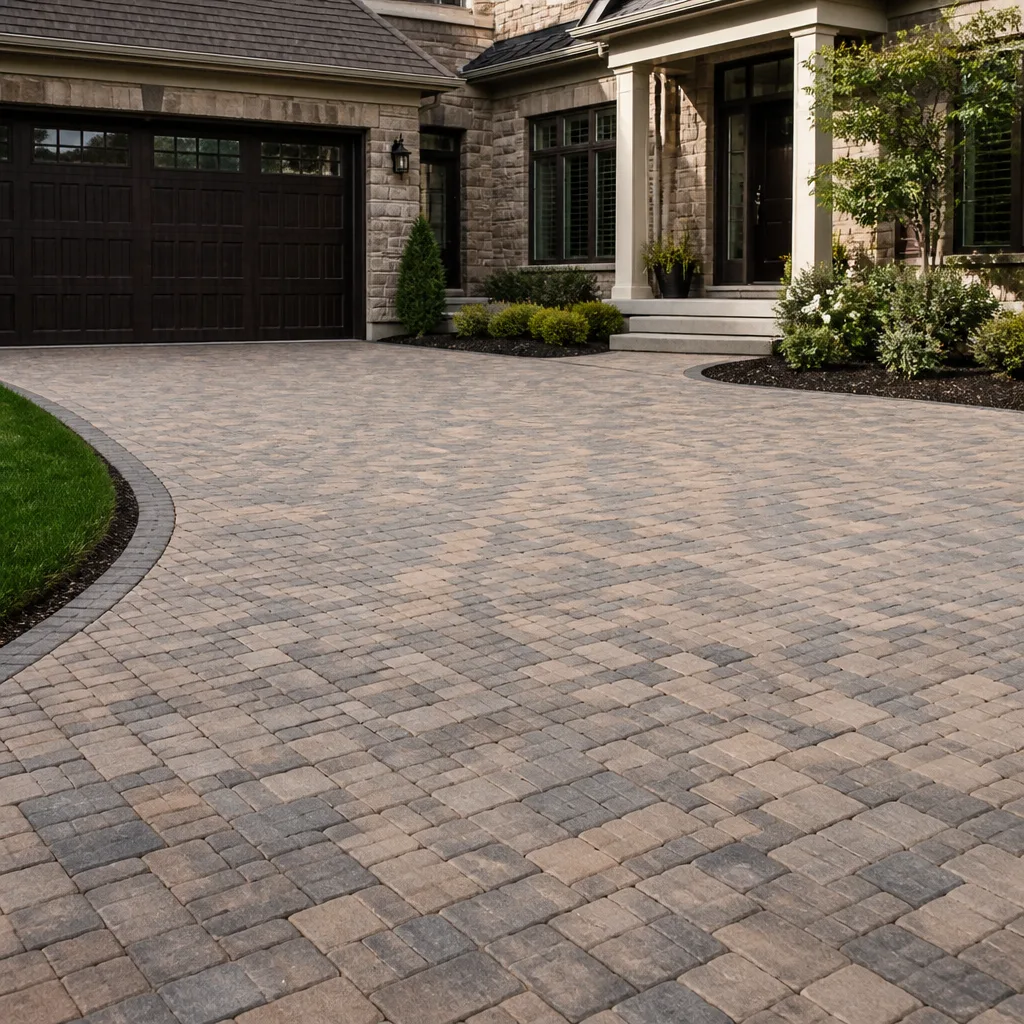
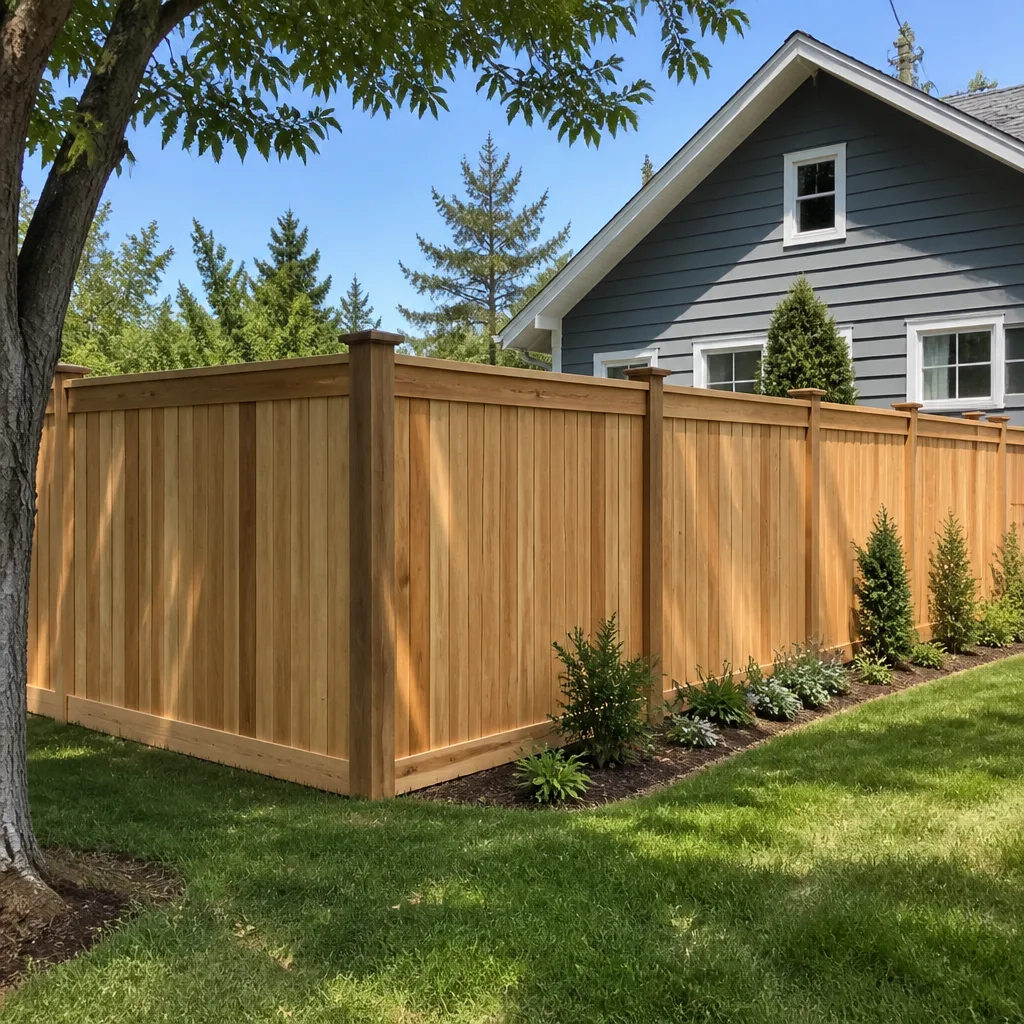
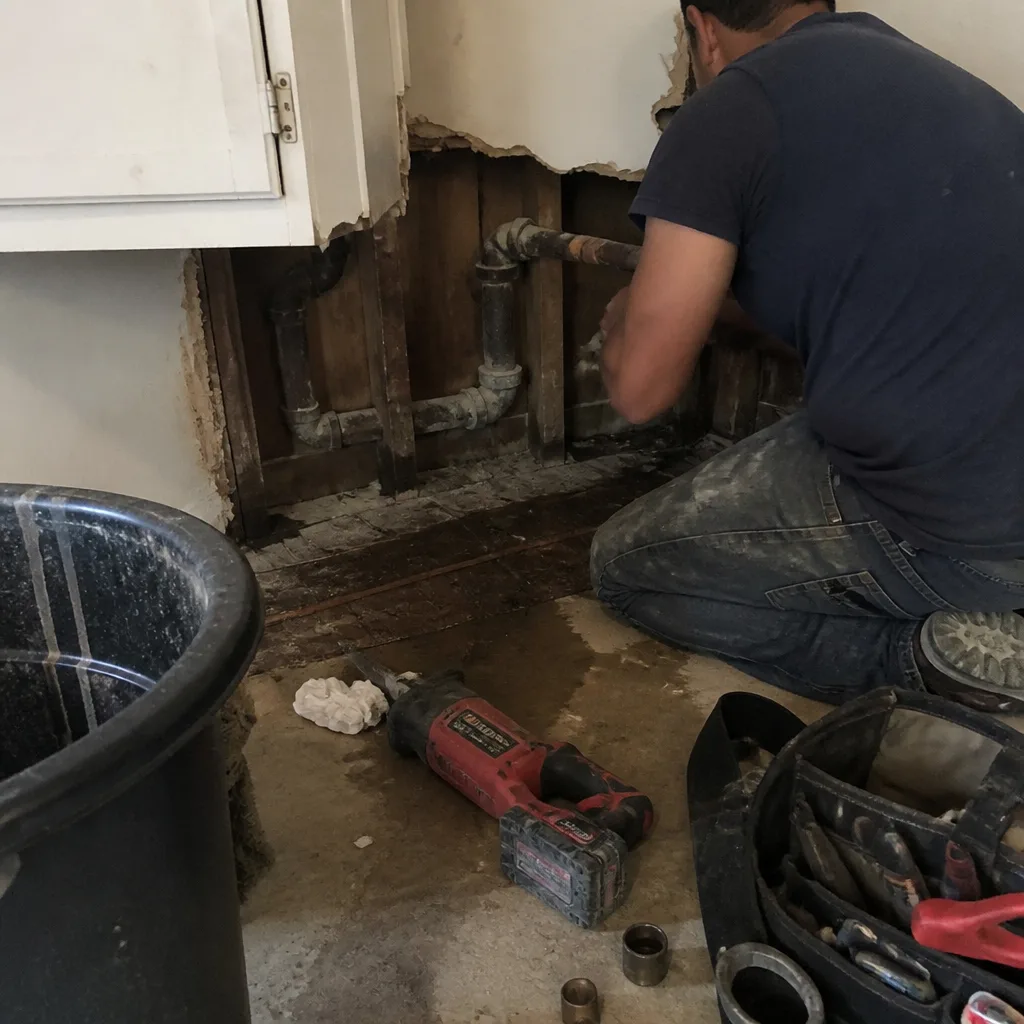 Before
 After
After Before
 After
After Before
 After
AfterGrohe Roofing: The Los Angeles Owner’s Guide
Grohe doesn’t make roofing materials. If you landed here because you have a Grohe fixture on a roof deck, a Grohe-supplied drain assembly on a flat roof, or a Grohe component integrated into an outdoor kitchen under a pergola, the part you’re actually dealing with is either a roofing penetration that’s failing around a Grohe unit, or a Grohe part that’s exposed to weather because the roofing around it failed first. We stock and install the roofing components that surround and seal Grohe fixtures across Los Angeles, and a typical roof repair around a penetration or drain assembly runs $470 to $2,125, installed. Most Los Angeles homeowners discover the problem the same way: a stain on the ceiling below a roof deck, or water pooling near a flat-roof drain that isn’t draining the way it used to.
Here’s what most owners miss: the Grohe part usually isn’t the failure point. The roofing membrane, flashing, or sealant around it is. That’s what this page is about.
Which Grohe Models This Applies To
The Grohe products we see integrated with Los Angeles roofing fall into three practical groups. First, Grohe roof deck and terrace drains, which set into a flat roof or balcony membrane and connect to a drainage system below. Second, Grohe outdoor shower and hose bib assemblies mounted on roof decks or exterior walls where the wall meets the roof line. Third, Grohe kitchen and bar fixtures installed in outdoor cooking areas that sit under a roof overhang or pergola tied into the main roof structure.
The compatibility gotcha most owners hit: Grohe drain bodies come in multiple outlet diameters, typically 2-inch and 3-inch for residential roof applications, and the size is stamped on the underside of the drain flange. You can’t see it without lifting the strainer. If a contractor quotes you a drain replacement without checking that stamp, the quote is a guess. We check it before we write anything down.
On OEM versus aftermarket: for the Grohe fixture itself, we recommend OEM. Grohe’s finish and thread specs are consistent, and mixing in a generic cartridge or escutcheon on a $600-plus fixture usually shows within a year, especially in Los Angeles sun and hard water. For the roofing materials around the fixture, we use GAF and Owens Corning membranes, sealants, and flashing, because those are the proven brands for the membrane work that actually keeps water out. The roofing layer is where aftermarket doesn’t exist as a meaningful category. You use the manufacturer’s specified system or you void the membrane warranty.
Signs Your Grohe Roofing Is Failing
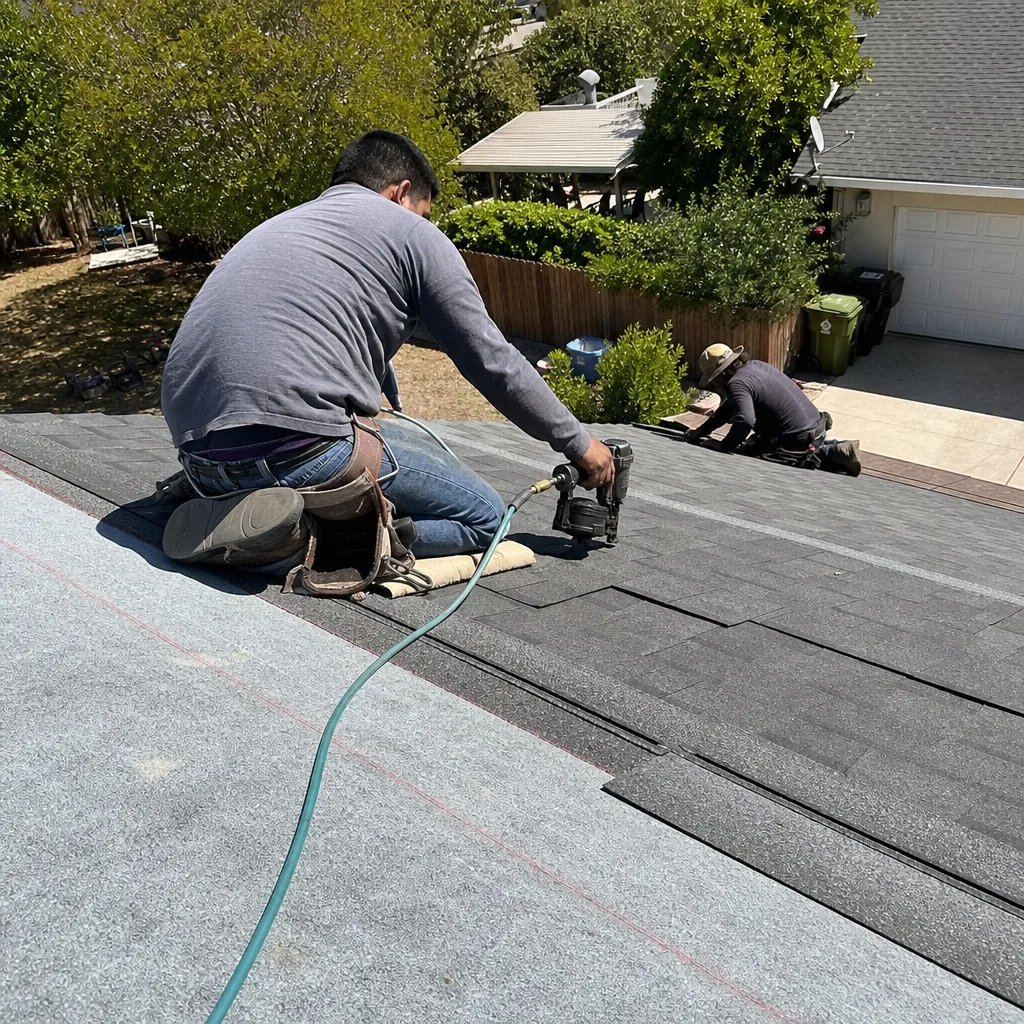
- Water staining on the ceiling directly below a roof deck or outdoor fixture. This means water is traveling through the roof assembly, and the path almost always starts at a penetration: the drain, the fixture mount, or the edge where deck meets wall. The stain appears below because water follows the lowest point before it shows itself.
- Pooling water around a flat-roof drain that doesn’t clear within 24 hours after rain. In Los Angeles, we go months without rain, so a drain that holds water after a January storm is a problem you won’t notice until March. By then the membrane has been saturated for weeks.
- Loose or lifting flashing where the fixture meets the roof surface. Flashing is the metal or membrane collar that wraps the penetration. When sealant fails (which it does faster in Los Angeles UV than in coastal fog zones), the flashing lifts and water gets under it.
- Rust staining on the drain body or a green patina on brass Grohe components. That’s electrolysis or trapped moisture. On a roof, it means water is sitting where it shouldn’t, and the metal is telling you the membrane has already failed underneath.
- Musty odor inside the home near the roof deck or exterior wall. By the time you smell it, the underside of the roof sheathing has been wet long enough to grow mold. That’s a repair, not a maintenance item.
BeforeAfterReplacement Cost & What’s Included
In Los Angeles, a roof repair involving a single penetration or drain assembly typically runs $470 to $2,125, installed. At the lower end, you’re replacing failed sealant and re-securing existing flashing, with the membrane intact underneath. At the upper end, we’re pulling the drain body, cutting back damaged membrane, installing new flashing and a new membrane collar, and reinstalling the Grohe drain with OEM gaskets.
What drives the range: the roof type (flat membrane costs less to repair than tile, where each surrounding tile has to be lifted and reset), the condition of the sheathing underneath, and whether the Grohe fixture itself needs a new gasket or seal kit. At Rowan Construction Group, the quote is written line by line before work starts, and no change happens without a signed change order. The workmanship carries our 365-Day Done Right Promise: if it’s not done right, we make it right.
| Repair Scope | Typical Los Angeles Installed Range |
|---|---|
| Reseal flashing and penetration collar | $470 - $850 |
| Replace flashing, sealant, and reset fixture | $710 - $1,400 |
| Replace membrane section and reinstall drain assembly | $1,180 - $2,125 |
Every job includes a documented photo record: what we found when we opened it up, what we did, and what it looks like when we left. That’s standard, not an upgrade.
DIY or Call Us?
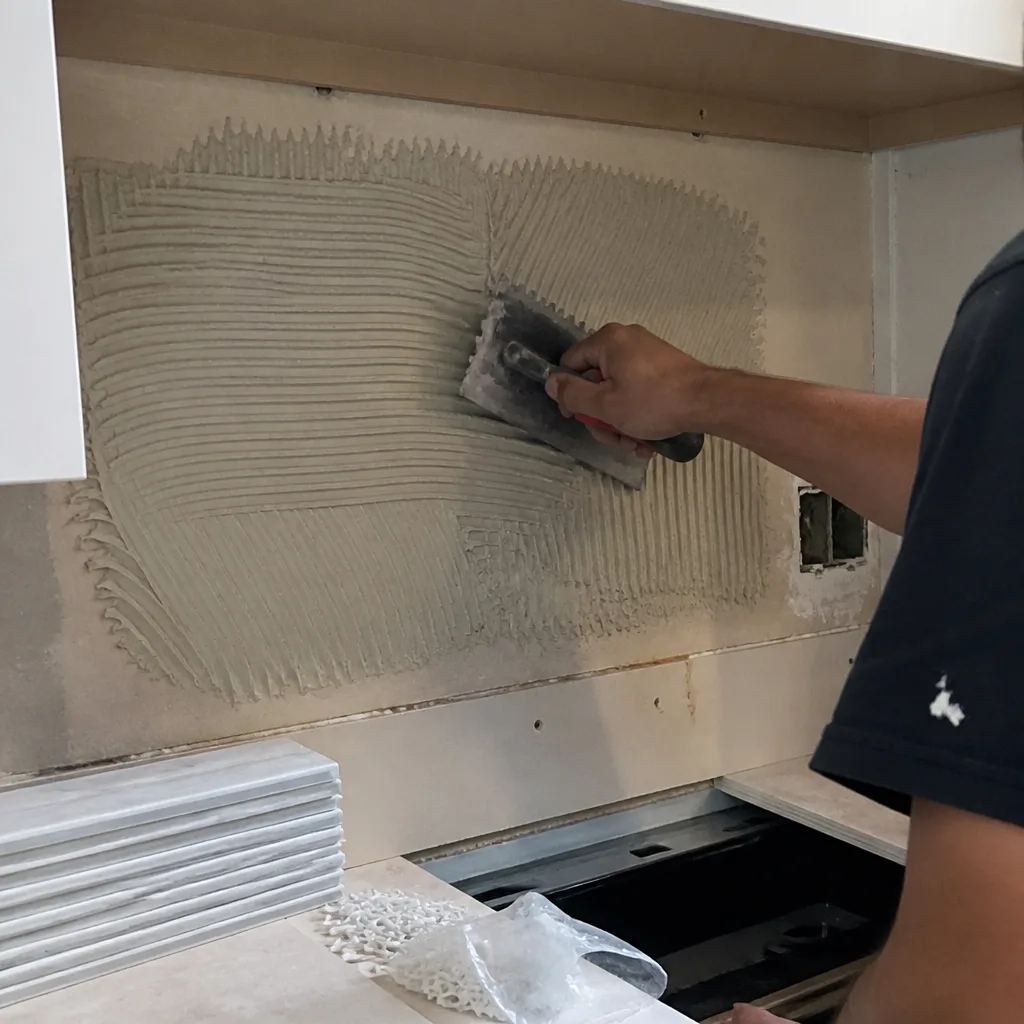
Here’s the honest split. What you can safely do: clear debris from the strainer, check for visible cracks in exposed sealant, and take photos of any staining or pooling so you have a record. What you should not do: climb onto a tile roof without proper equipment, pull a drain body without knowing what’s under the membrane, or caulk over failed flashing and call it fixed. Caulk over a failed membrane is a bandage on a leak that’s already inside the roof assembly. Roof work in Los Angeles involves heights, and a tile roof repair involves lifting and resetting tiles that crack if you step in the wrong place. That’s what background-checked, trained crews are for.
If you’re in Los Angeles and you’re looking at a stain or a drain that isn’t draining, call (470) 298-9650. We’ll put a written price in front of you before anyone picks up a tool. And if you already have a written estimate from another contractor, bring it. We do a free line-by-line second opinion on any written estimate, no charge.
FAQs
A properly flashed and sealed roof penetration should hold for 10 to 15 years in Los Angeles, but sealant around exposed flashing often needs attention at the 5 to 7 year mark because of UV breakdown, especially on roofs with full southern exposure. The membrane underneath typically lasts longer than the sealant on top. Call (470) 298-9650 and we’ll tell you what we’d check first based on your roof type.
Most failures around a single penetration are repairable. We replace the section of roof only when the membrane or sheathing has been wet long enough to delaminate or rot, which is why early repair matters. The longer water sits inside a Los Angeles roof assembly, the more the repair scope grows. An inspection gives you an exact answer and we will put the number in writing before anything starts.
A single penetration repair typically takes one crew visit, usually four to six hours including setup and cleanup. Tile roofs run longer because every surrounding tile is lifted and reset individually. We’ll give you a written scope that includes the timeline before you commit.
We stock the roofing materials we need on our trucks: GAF and Owens Corning membrane, flashing, and sealants. For Grohe-specific gaskets, strainers, and seal kits, we source OEM parts with a two-to-three-day lead time in Los Angeles. We also carry compatible parts for KraftMaid, Cambria, and Silestone fixtures on the cabinetry and countertop side, for the projects that start inside and end up involving the roof.
Written by Grant Rowan, Owner, Rowan Construction Group at Rowan Construction Group, serving Los Angeles and nearby areas.