
Free written scope consultation - allowances, timeline, and change-order rules on paper before a single trade is scheduled
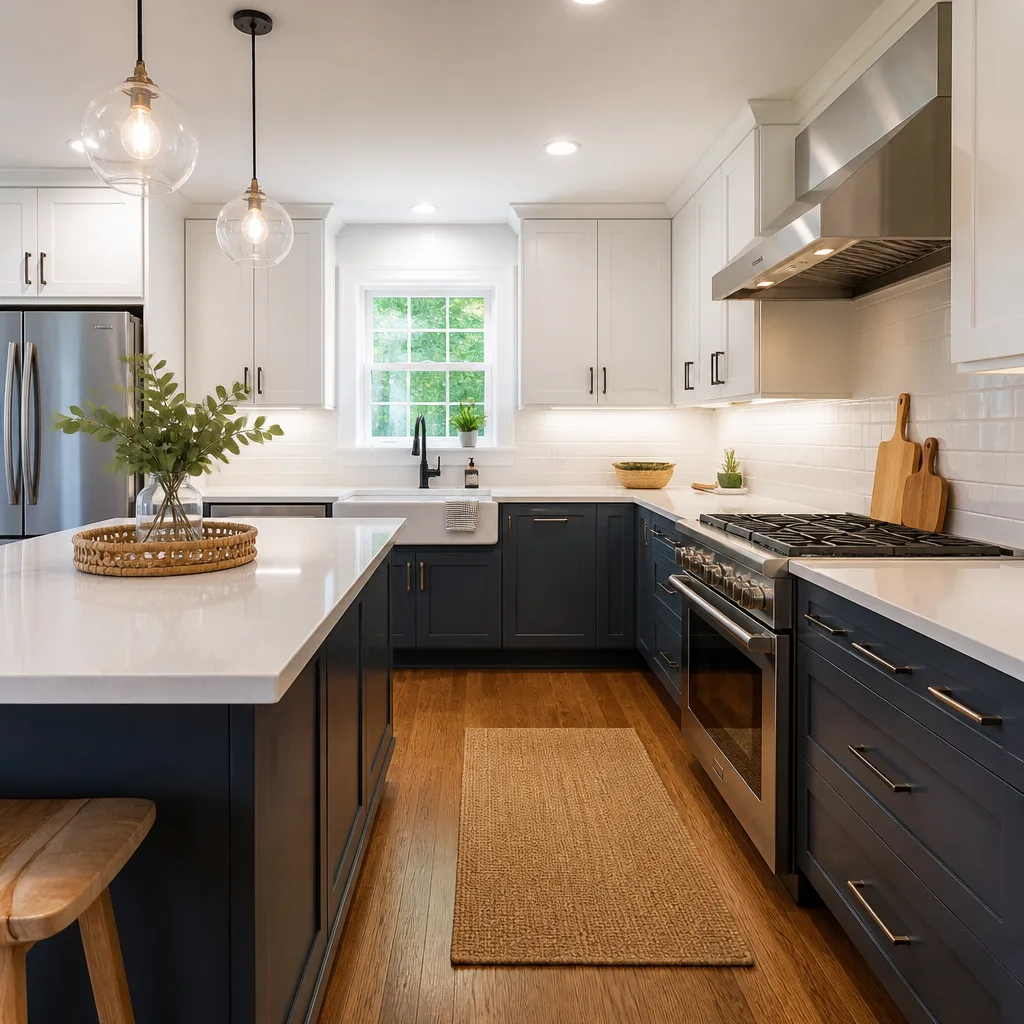
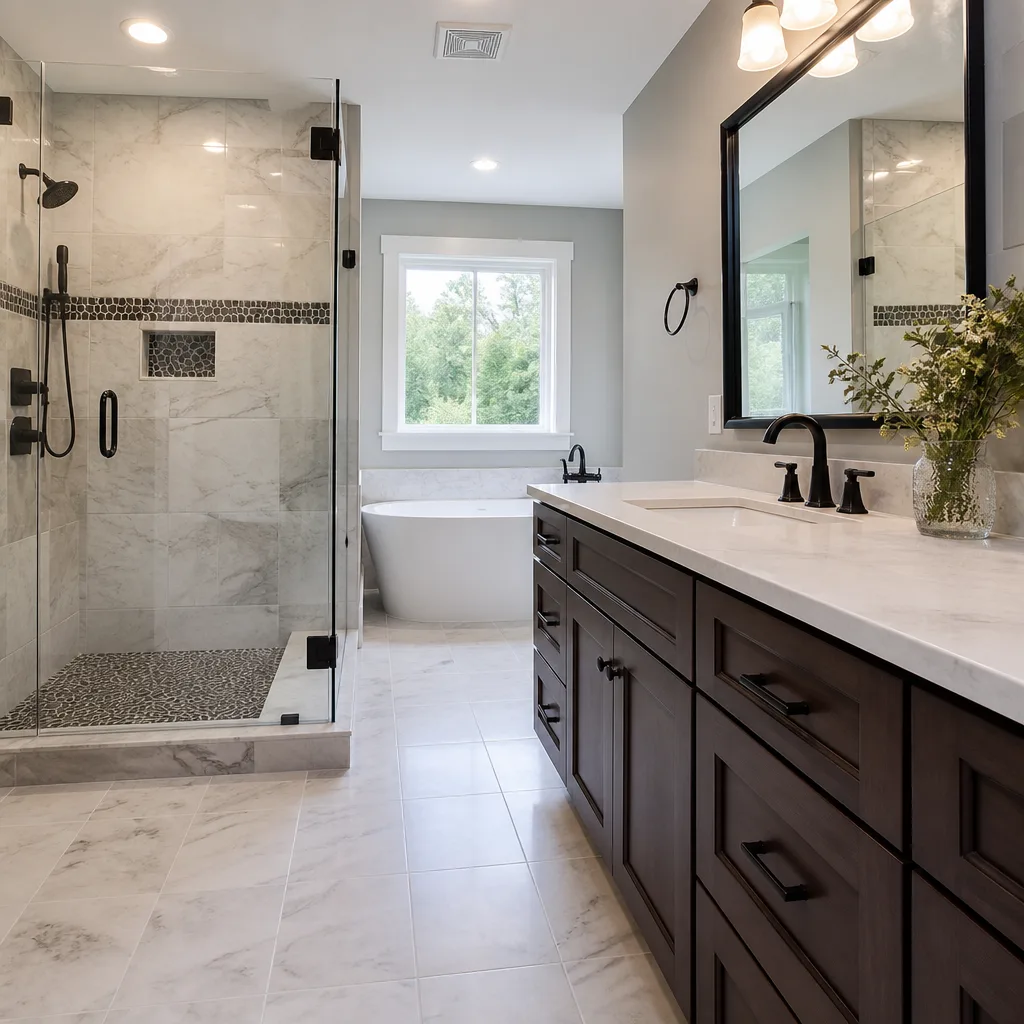
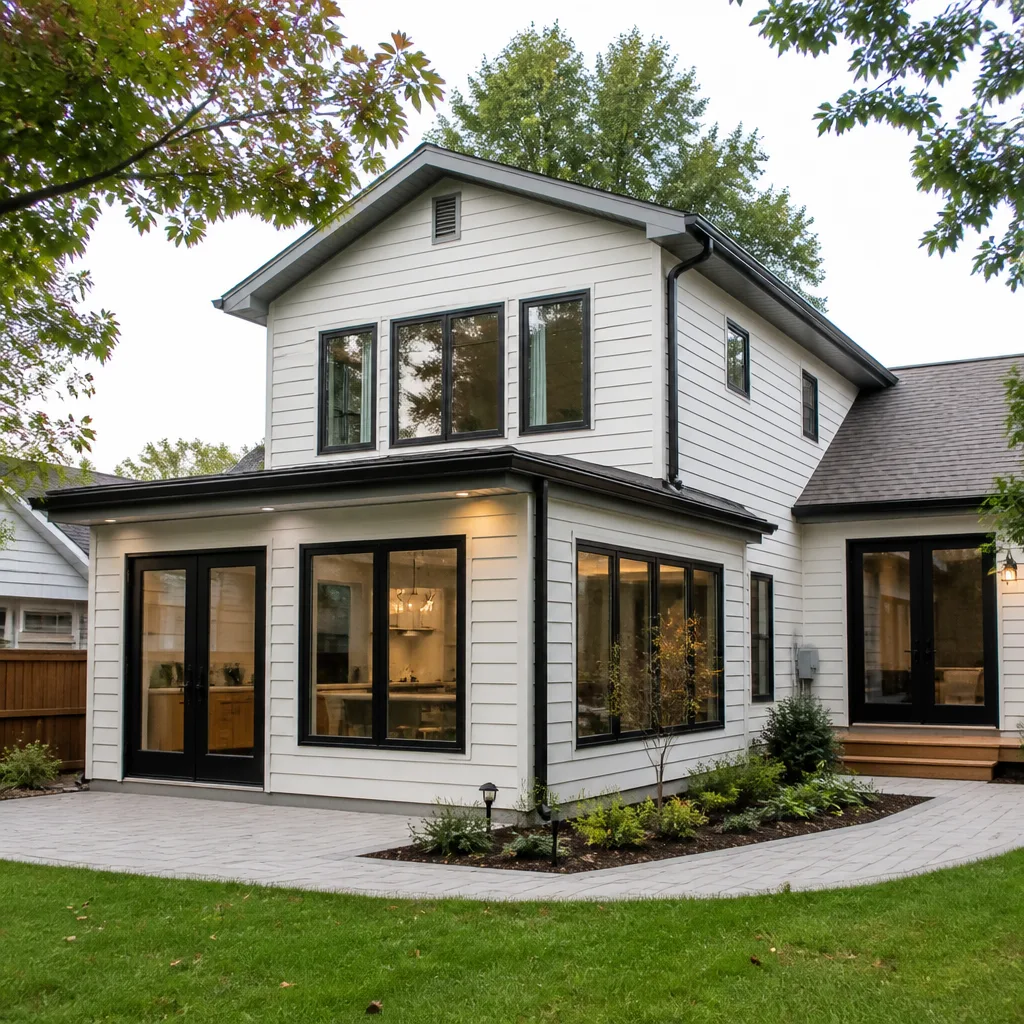
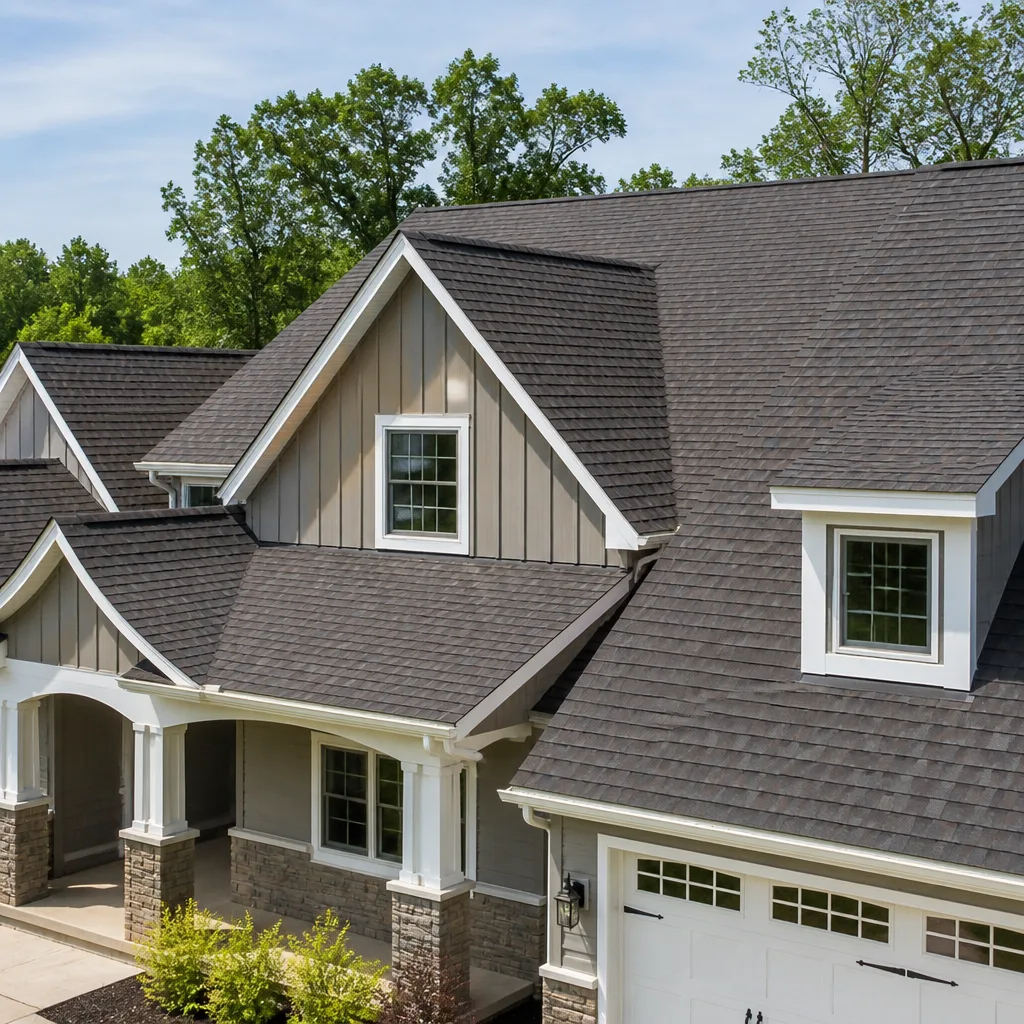
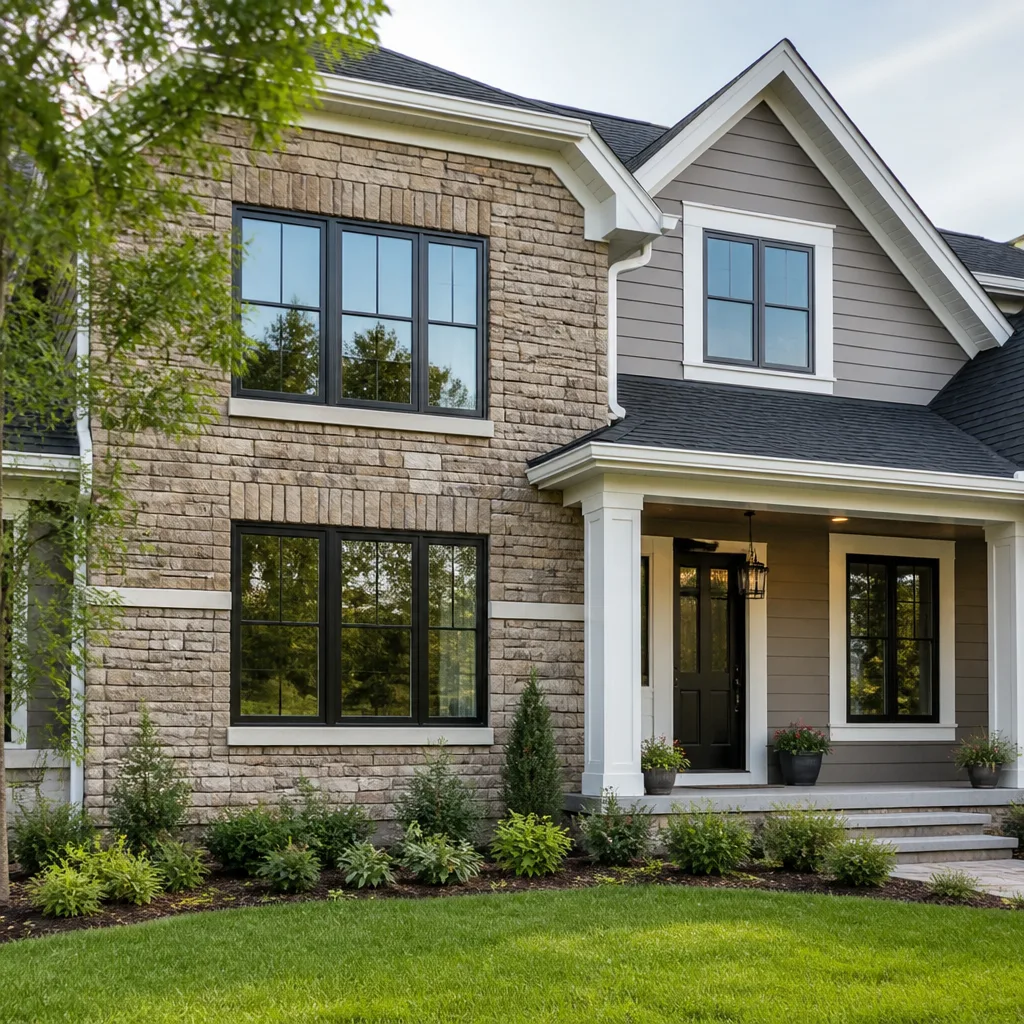
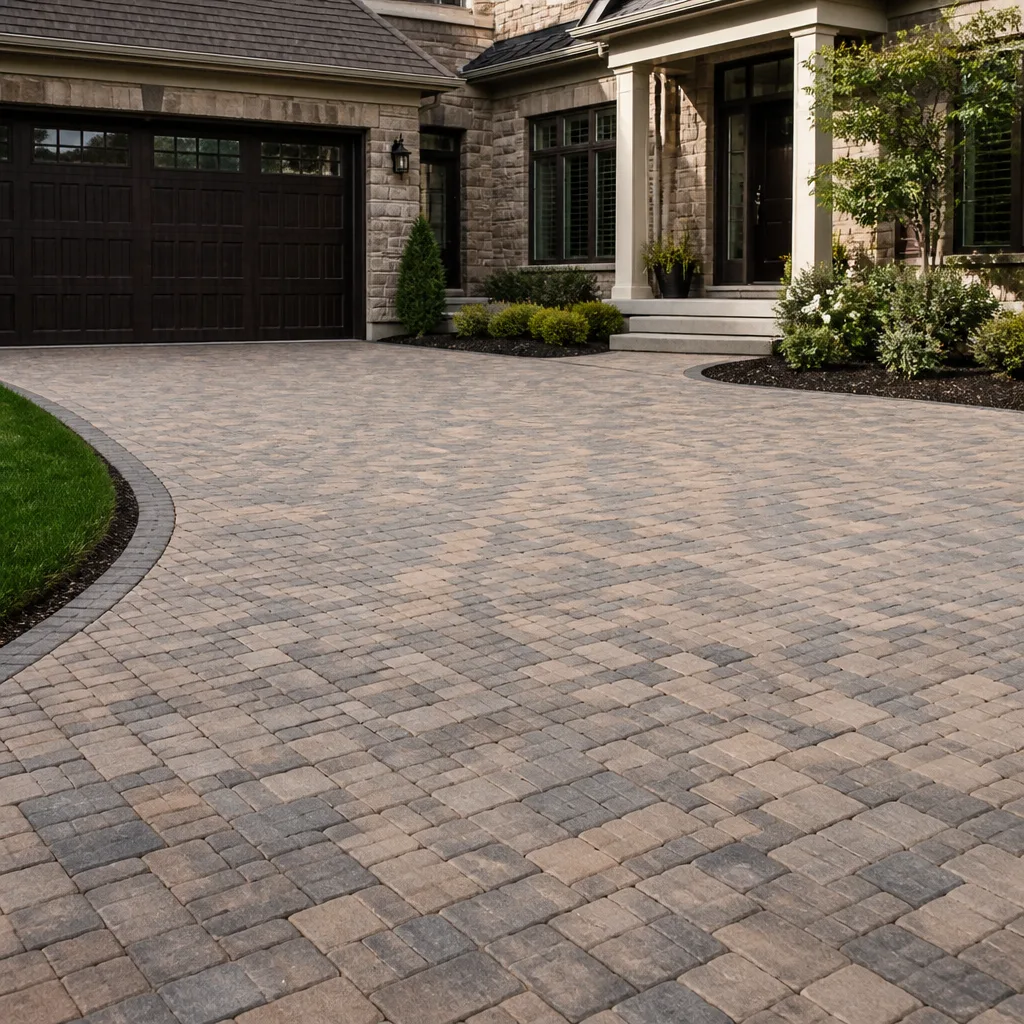
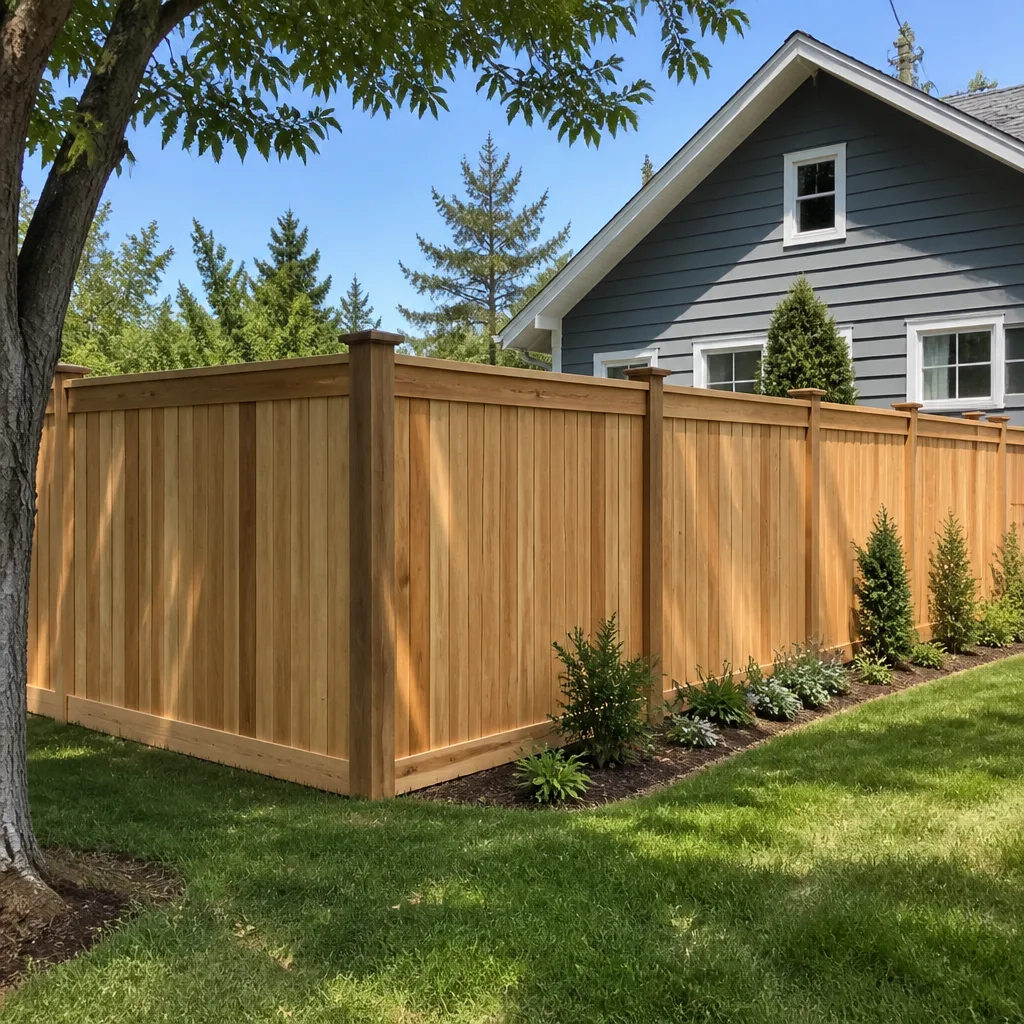
 Before
 After
After Before
 After
After Before
 After
AfterOwens Corning Home Additions & ADU: The Los Angeles Owner’s Guide
Home additions and ADUs built with Owens Corning insulation, sheathing, and weather barriers in Los Angeles typically run $53,100-$153,400 for a full project, depending on square footage, foundation work, and whether it’s attached or detached. Most of the failures we see aren’t in the Owens Corning products themselves. They’re in the installation details around them: improper flashing where the new roofline ties into the existing house, vapor barriers installed backward, or sheathing that was never given a proper rain screen in our coastal microclimates.
What usually brings a Los Angeles homeowner to this page is a specific problem observed after the addition or ADU was completed: a damp smell near the new wall, drywall cracking along the seam where old meets new, or a utility bill that spikes every July. The Owens Corning component didn’t fail on its own. A detail around it did, and that detail is almost always fixable without tearing the whole addition apart.
Key takeaways:
- Owens Corning products rarely fail on their own. The installation detailing around them is where problems start.
- We stock Owens Corning-compatible insulation, sheathing, and weather barrier materials for repair work on most residential additions and ADUs.
- Written pricing before any work starts, every time, under Clause 1 of the Haven Standard.
- Free second opinion on any written estimate you already have from another contractor.
Which Owens Corning Models This Applies To
Owens Corning makes a broad line of residential building materials, and knowing which one is in your addition or ADU matters for matching. The most common products we work with on Los Angeles additions are Thermafiber mineral wool insulation, FOAMULAR XPS rigid foam board, PINK FIBERGLAS batt insulation, and the WeatherLock or ProArmor roof underlayments if the addition has its own roofline. Each has different compatibility considerations.
The first thing to check is the facing on the batt insulation. Kraft-faced batts have a paper vapor retarder that must face a specific direction depending on whether you’re in a heating-dominant or cooling-dominant climate zone. Los Angeles is a mixed climate, which is where most installation mistakes happen. The Owens Corning label on the batt will specify the product code: R-13, R-19, R-21, or R-30 are the most common in addition walls and ceilings. We’ve walked into ADUs in Echo Park and Mid-Wilshire where R-19 batts were stuffed into 2×4 walls, which compresses the insulation and cuts its effective R-value by roughly a third.
When we’re repairing an existing addition or finishing an incomplete ADU, we match the original Owens Corning product rather than swapping in a different brand and hoping nobody notices. The product code printed on the kraft facing or the edge of the rigid foam board tells us what was installed, and we quote the exact replacement. Aftermarket equivalents exist, but for insulation and weather barriers, the price difference is usually under 10%, and the performance match matters more than the savings. We’ll always show you the line item for the OEM Owens Corning product and let you decide.
One compatibility gotcha worth knowing: FOAMULAR rigid foam comes in different compressive strengths, and the 15-psi board used under a slab is not interchangeable with the 25-psi board. If your addition has a floor that’s feeling spongy near the perimeter, this is one of the first things we check. Los Angeles clay soils expand and contract through the wet-dry cycles, and a thin board under the slab edge can crack at the corner where the addition meets the original foundation.
We also stock materials from KraftMaid, Cambria, and Silestone for finish work on the same projects, which means one crew, one written quote, one documented record when the job is done.
Signs Your Owens Corning Home Additions & ADU Is Failing
- Damp smell in the new wall, especially after rain. A vapor barrier installed backward traps moisture inside the wall cavity instead of letting it dry. The Owens Corning facing label tells us which direction it was supposed to face. If the kraft paper was put on the wrong side, moisture condenses against it and the insulation loses effectiveness. This shows up most often in additions built between 2015 and 2020, when Los Angeles had a massive permitting backlog and a lot of work was done fast.
- Cracks running along the seam where the addition meets the original house. The new foundation settles at a different rate than the old one, and without a proper expansion joint or structural tie, the drywall cracks at the intersection. It’s rarely structural failure, but it needs a look at how the shear wall was tied in.
- Utility bills that climb every summer, even with the AC running. Compressed or poorly installed fiberglass batts lose R-value fast. In a Los Angeles August, a poorly insulated ADU roof deck can hit 140 degrees, and that heat transfers straight down into the living space if the Owens Corning batt was installed with gaps around electrical boxes or recessed lights.
- Water staining on the ceiling of the addition near the roofline tie-in. This is the most common failure point on any attached addition. The new roof was flashed into the existing roofline with too little overlap, or the Owens Corning underlayment wasn’t run far enough up the existing roof deck. The water gets in slowly, often without visible leaking for months, and shows up as a brown stain long after the original crew is gone.
- Cold floors in the winter, especially on slab-on-grade ADUs. If the rigid foam board under the slab was skipped or undersized, the concrete slab acts like a heat sink pulling warmth out of the room all winter. In Los Angeles this is less dramatic than in colder climates, but a slab without proper Owens Corning FOAMULAR insulation will run 5-8 degrees colder than it should on a January morning.
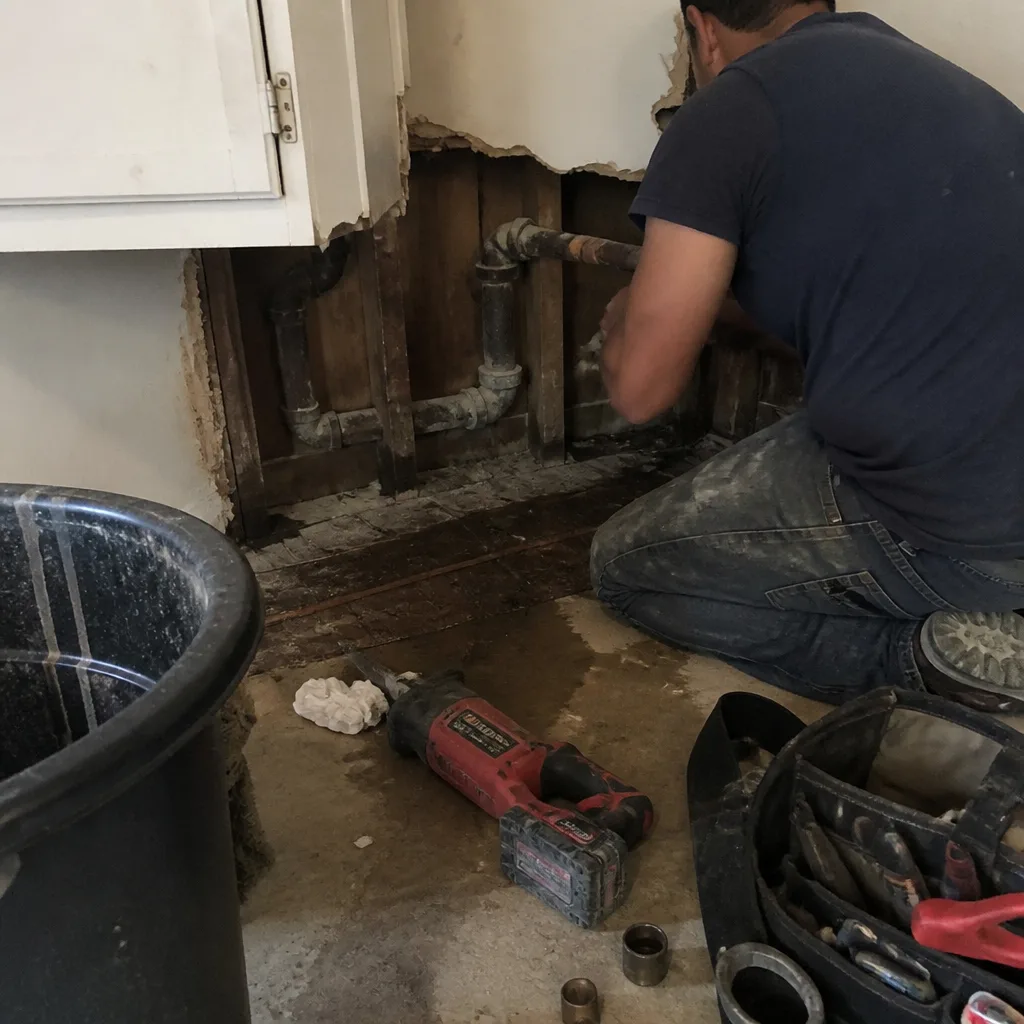
BeforeAfterReplacement Cost & What’s Included
In Los Angeles, repairing or replacing failed Owens Corning materials in a home addition or ADU runs from $4,130 for a small, contained fix like re-flashing a section of roofline, up to $25,960 for a full remediation that involves opening walls, replacing insulation, and re-detailing the weather barrier. A mid-size repair, like pulling drywall on one wall of an ADU to replace misinstalled vapor barrier and insulation, typically lands between $5,900 and $9,440.
What drives the range: how much drywall has to come down, whether the roof sheathing needs to be peeled back to re-flash a tie-in, how accessible the underside of the slab is, and whether we’re matching an existing Owens Corning product that’s no longer in production. Los Angeles labor rates for credible contractors run higher than the national average, and we pay our crews accordingly.
Every quote from us is a flat written price with a written scope and a written warranty. No change proceeds without a signed change order. That’s the Haven Standard discipline that’s kept our projects within a few percent of the agreed cost across 4,000-plus jobs since 2007. The photo record of what we found behind the wall is included as standard, not an upgrade.
DIY or Call Us?
There are things you can safely check before calling us. Look at the insulation label if you can see it: the product code tells you what was installed, and that’s useful information to have when we talk. Check for gaps around electrical outlets on exterior walls of the addition, which is the number one spot we find air leakage in Los Angeles additions. Look at the roofline tie-in from the outside if you can do so safely from the ground: visible gaps in the flashing or missing shingle overlap are worth photographing.
What you should not do is open up walls to inspect insulation, pull back roofing to check underlayment, or attempt to re-flash a roofline yourself. A roof pitch on a Los Angeles addition is not the place to learn flashing technique, and the fall risk is real. We get calls from homeowners who started a small repair and found water damage, mold, or structural issues behind the wall that changed the entire scope. That’s when having a written quote and a signed change order process matters. Call (470) 298-9650 and we’ll put the number in writing before anyone picks up a tool.
FAQs
Owens Corning fiberglass insulation and FOAMULAR rigid foam have a service life of 50-plus years when installed correctly and kept dry. The products themselves don’t degrade in any meaningful way. What fails first in Los Angeles is the installation detailing around them: flashing, vapor barrier orientation, and air sealing. Measure twice, say it once, show your work is how we approach every repair, because the insulation you can’t see is usually the insulation that’s doing the work.
If your addition is showing signs of moisture or thermal issues, call (470) 298-9650 for an inspection and a written quote. Estimates are free.
Yes, in most cases the repair is far smaller than the original installation. A vapor barrier that was installed backward on one wall can often be corrected by opening that wall, flipping or replacing the insulation with the correct Owens Corning product, and reinstalling the drywall. A roof tie-in that’s leaking can usually be re-flashed without replacing the whole roof. We always assess the repair path before recommending replacement, because the written quote should reflect what’s actually needed, not what’s easiest to sell.
Call (470) 298-9650 and we’ll tell you honestly whether it’s a repair or a replacement. The estimate is free.
A single-wall insulation and vapor barrier correction in a Los Angeles ADU typically takes two to three working days, including drywall patching and texture matching. A roofline re-flashing job is usually one to two days depending on roof pitch and access. A full remediation of multiple walls or a slab insulation issue runs one to two weeks, because everything has to be opened, corrected, documented, and closed back up in the right order.
Call (470) 298-9650 for a timeline specific to your project. We’ll put it in writing before work begins.
We stock the most common Owens Corning residential products on our trucks and in our Los Angeles yard: R-13, R-19, and R-21 kraft-faced batts, R-30 for ceilings, 15-psi and 25-psi FOAMULAR XPS board, and WeatherLock underlayment for roofline tie-ins. Less common products like Thermafiber mineral wool in specific dimensions or high-R rigid foam for unusual assemblies may take two to three days to source from our suppliers. We’ll tell you at the time of the quote exactly what’s on hand and what’s being ordered, so there are no surprises on day one.
Call (470) 298-9650 to check stock for your specific project. The phone call is free, and the written quote is too.
If you’re dealing with a failed Owens Corning installation detail in your Los Angeles addition or ADU, call (470) 298-9650 to schedule a free estimate. We’ll send a background-checked, uniformed technician, document what we find with photos, and put the repair price in writing before any work starts. Under the 365-Day Done Right Promise, if it’s not done right, we make it right.
Written by Grant Rowan, Owner, Rowan Construction Group at Rowan Construction Group, serving Los Angeles and nearby areas.