
Free written scope consultation - allowances, timeline, and change-order rules on paper before a single trade is scheduled
 Before
 After
After Before
 After
After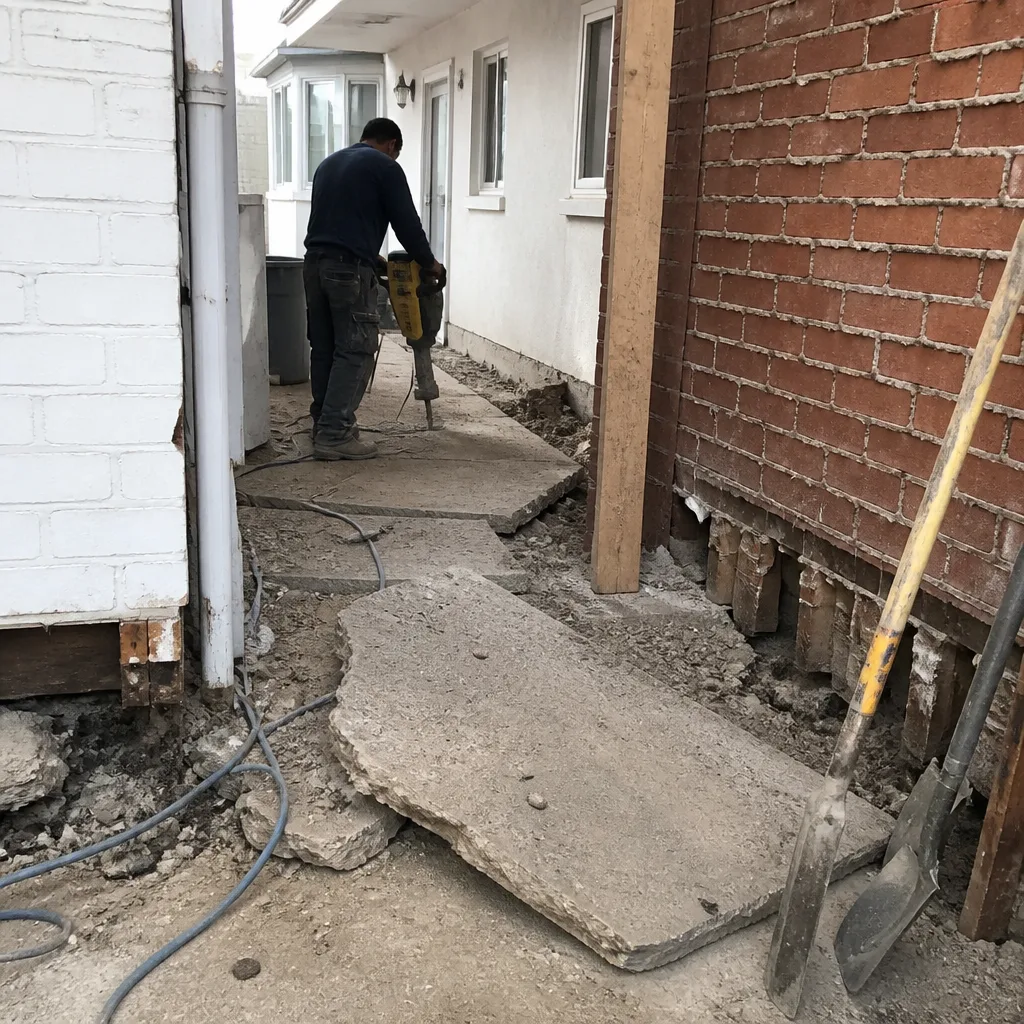 Before
 After
AfterPGT Driveway & Pavers: The Los Angeles Owner’s Guide
We stock and install PGT-compatible driveway and paver components across Los Angeles, with most replacement jobs running $826-$2,124 in parts and labor depending on paver count and substrate condition. Most Los Angeles homeowners discover a failing PGT paver system the same way: a paver sinks after winter rain, hairline cracks spread across the surface, or the sand joints between pavers start washing out. If you’re standing on a PGT driveway that’s showing its age, here’s what you need to know before you spend a dollar.
A quick note on affiliation: Rowan Construction Group is an independent contractor, not a PGT dealer or authorized service provider. We work on PGT pavers and driveways regularly because Los Angeles County has thousands of them installed, and we keep compatible components in our shop. That independence means we quote the work honestly, without a brand incentive pushing a full teardown when a partial repair will hold.
Which PGT Models This Applies To
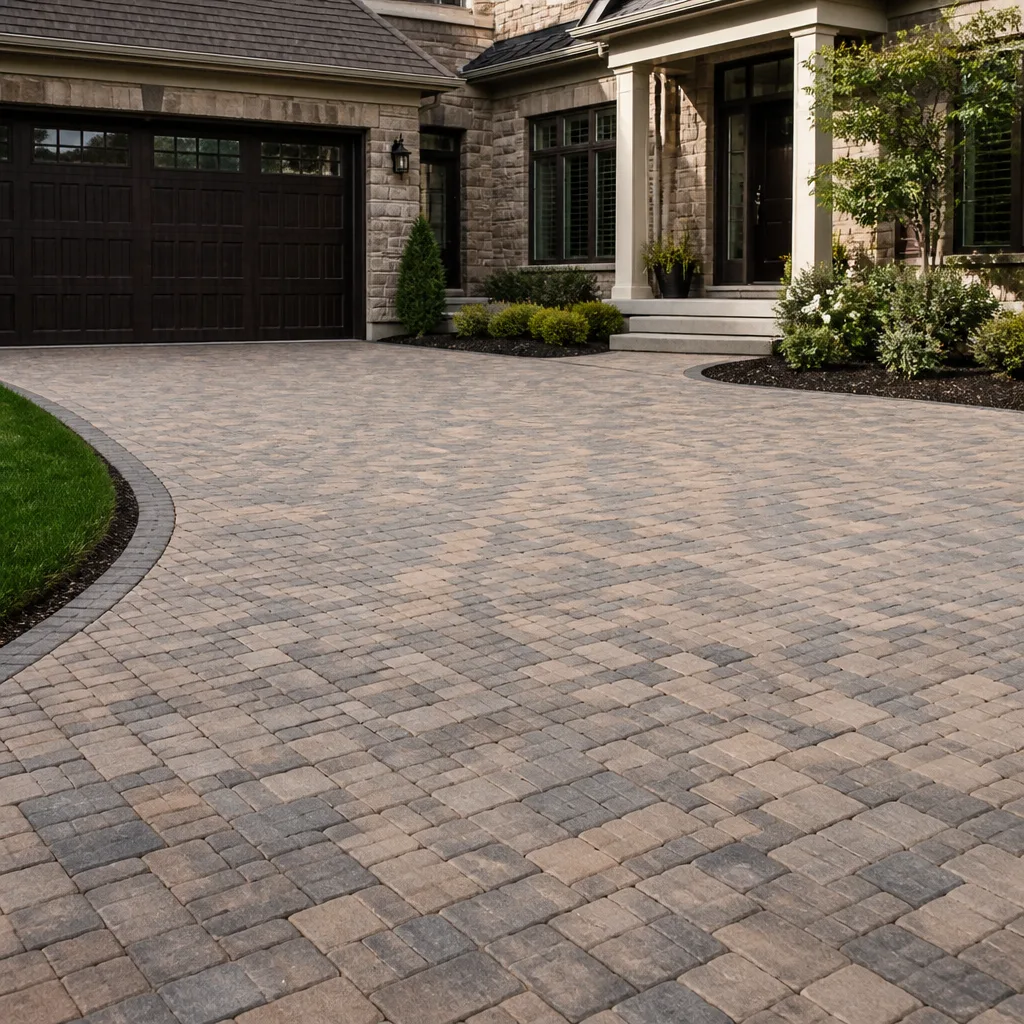
PGT, in the hardscape world, typically refers to paver lines distributed through West Coast suppliers under the PGT brand, most commonly interlocking concrete pavers in 60mm and 80mm thicknesses. The brand’s residential work in Los Angeles skews toward the heavier 80mm units for driveways, which is a spec that matters when you’re replacing a single cracked paver. If your original install used 60mm pavers and you drop an 80mm replacement into the same spot, you’ll create a trip edge and a drainage shadow.
To identify what you have, flip a loose paver if the job allows it. The bottom stamp will usually carry a PGT logo or a batch number; measure the thickness with a tape measure in millimeters. That number, plus the paver’s face dimensions and surface texture, gets you to the correct match. For OEM replacement pieces, the face dimensions are the non-negotiable. For aftermarket equivalents, what matters is thickness, compressive strength (PGT driveway pavers typically run 8,000 psi or better), and color blend. A quality aftermarket paver from a line like Belgard or Techo-Bloc will often match PGT color blends closely enough for a repair that doesn’t scream “patch job,” and they’re typically $1.50 to $3 per square foot cheaper than OEM. We’ll show you samples side by side before we commit.
Signs Your PGT Driveway & Pavers Is Failing
- Sunken pavers near the curb or along the driveway edge. This usually means the base layer has eroded, not that the pavers themselves failed. Los Angeles clay soil expands and contracts with moisture, and without adequate crushed-rock base, pavers lose support from underneath. You’ll see it first where tires track.
- Sand joints washing out after rain. Polymeric sand should harden and stay put for years. When it doesn’t, water is moving under the pavers and carrying the joint material out with it. That’s a drainage symptom more than a paver symptom, and it accelerates every other failure mode on this list.
- Hairline cracks running through multiple pavers in a straight line. Concrete pavers are individually strong, but a linear crack across several units in a row indicates a flex point in the base, often over a plumbing trench that was backfilled without adequate compaction. This is the one symptom that usually means removing the affected section and rebuilding the base, not just swapping pavers.
- Surface flaking or spalling on individual pavers. Los Angeles sun plus water intrusion equals freeze-thaw damage is not the issue here, but UV degradation and salt exposure from pool or irrigation runoff will break down paver faces over a decade or two. One or two spalled pavers is a simple swap. Twenty is a resurfacing decision.
- Efflorescence, that white chalky bloom, that won’t scrub off. This is mineral salts migrating through the paver as moisture evaporates. It’s cosmetic, but it signals that water is moving through the paver from below, which means your base drainage has slowed. Sealing alone won’t fix it.
BeforeAfterReplacement Cost & What’s Included
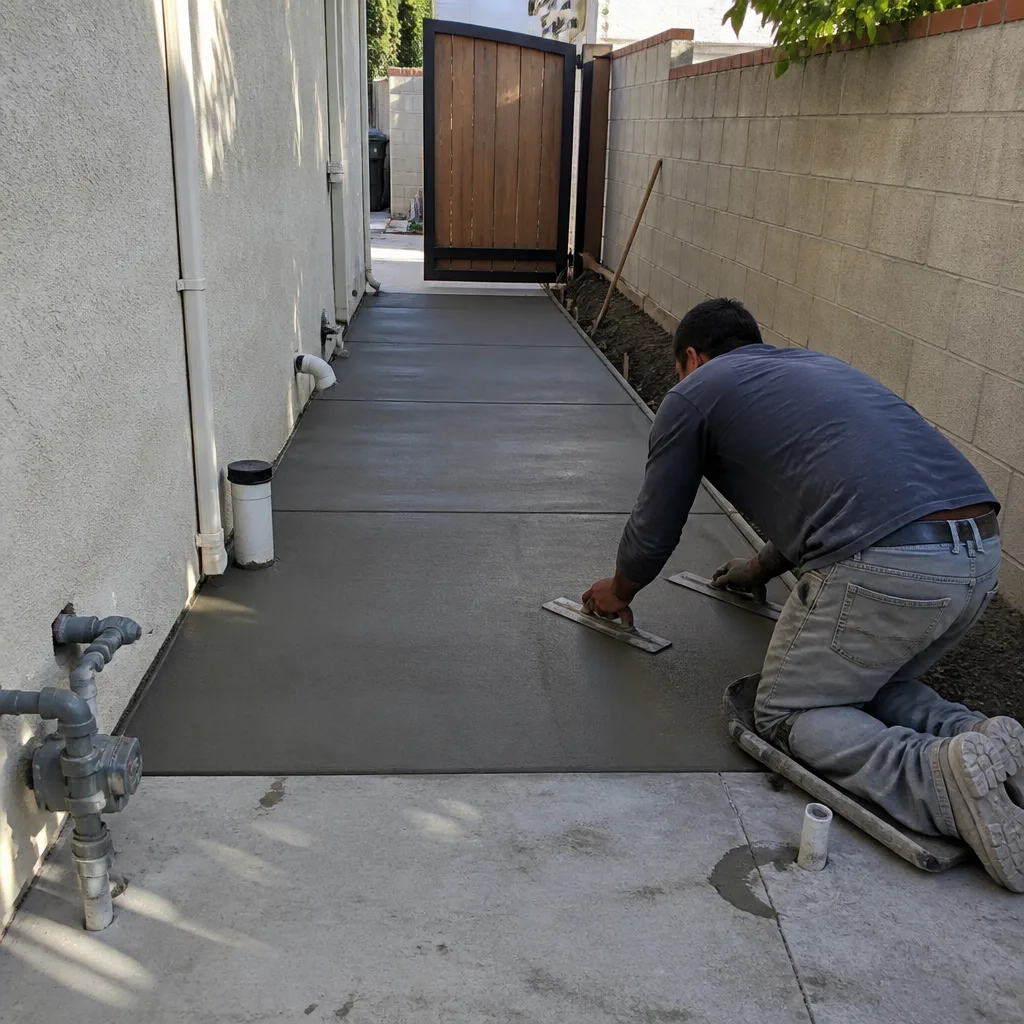
A PGT driveway or paver replacement in Los Angeles typically lands between $826 and $2,124 installed for a repair-scale job, meaning up to roughly 200 square feet of pavers reset, rebased, or swapped. If the base layer has failed across a larger area, the work becomes a driveway replacement, which runs $5,900 to $16,520 for a full tear-out and rebuild. The paver patio side of the equation falls between $4,130 and $12,980 depending on base condition and whether we’re salvaging the existing pavers or sourcing new.
What drives the range is the base. If we pull a paver and find intact crushed rock underneath, the repair is mostly labor and new joint sand. If we find clay, tree roots, or an old concrete slab that was never removed, the price moves. Every quote we write in Los Angeles includes a line item for base repair, a line item for pavers, a line item for joint sand and compaction, and nothing else. The written price you get is the price you pay, and no work proceeds on a change until you sign a change order. That’s Clause 1 of the Haven Standard, and it’s been the rule here since Grant Rowan founded the company in 2007.
DIY or Call Us?
You can safely lift a paver, check its thickness, measure the joint gaps, and take photos. Those photos help us quote accurately before we arrive. What you should not attempt is resetting a PGT driveway paver that sits in a tire path. The risk isn’t personal injury; the risk is a paver that rocks, catches a tire edge, and fails again in six months because the base wasn’t compacted properly underneath it. Compaction is the part DIYers skip, and it’s the part that determines whether your repair survives two Los Angeles winters or two.
If your PGT pavers are failing, call (470) 298-9650. We’ll come out, pull a few pavers to check the base, and put a written price in your hand before anyone starts work. No charge for the estimate.
FAQs
Properly installed PGT driveway pavers should last 25 to 30 years in Los Angeles, with joint sand reapplication every 4 to 6 years and occasional single-paver replacements as normal wear items. A paver driveway that fails within a decade almost always points to a base problem, not a paver problem. Call (470) 298-9650 and we’ll tell you which one you’re looking at.
Yes, sunken or tilted PGT pavers can usually be lifted, rebased, and reset without buying new material, as long as the pavers themselves aren’t cracked or spalled. Cracked pavers should be swapped for matching units. The repair-versus-replace call depends on what the base looks like once we pull a few, and our estimate is free, so you’ll know the answer before you spend anything.
A repair-scale PGT paver job, meaning up to 200 square feet, usually takes one to two days including base repair, reset, compaction, and joint sand. Larger driveway rebuilds run three to five days. You’ll get a schedule in writing with the quote, and we leave a documented photo record of what we found and what we did, included as standard on every visit.
We keep PGT-compatible pavers in common sizes and color blends in our Los Angeles shop, and we source OEM or matched aftermarket pieces within a few days for anything we don’t have on the shelf. You won’t need to buy material yourself. We’ll show you the match before we install it, and the paver cost is in the written quote, not a surprise at the end.
Written by Grant Rowan, Owner, Rowan Construction Group at Rowan Construction Group, serving Los Angeles and nearby areas.