
Free written scope consultation - allowances, timeline, and change-order rules on paper before a single trade is scheduled
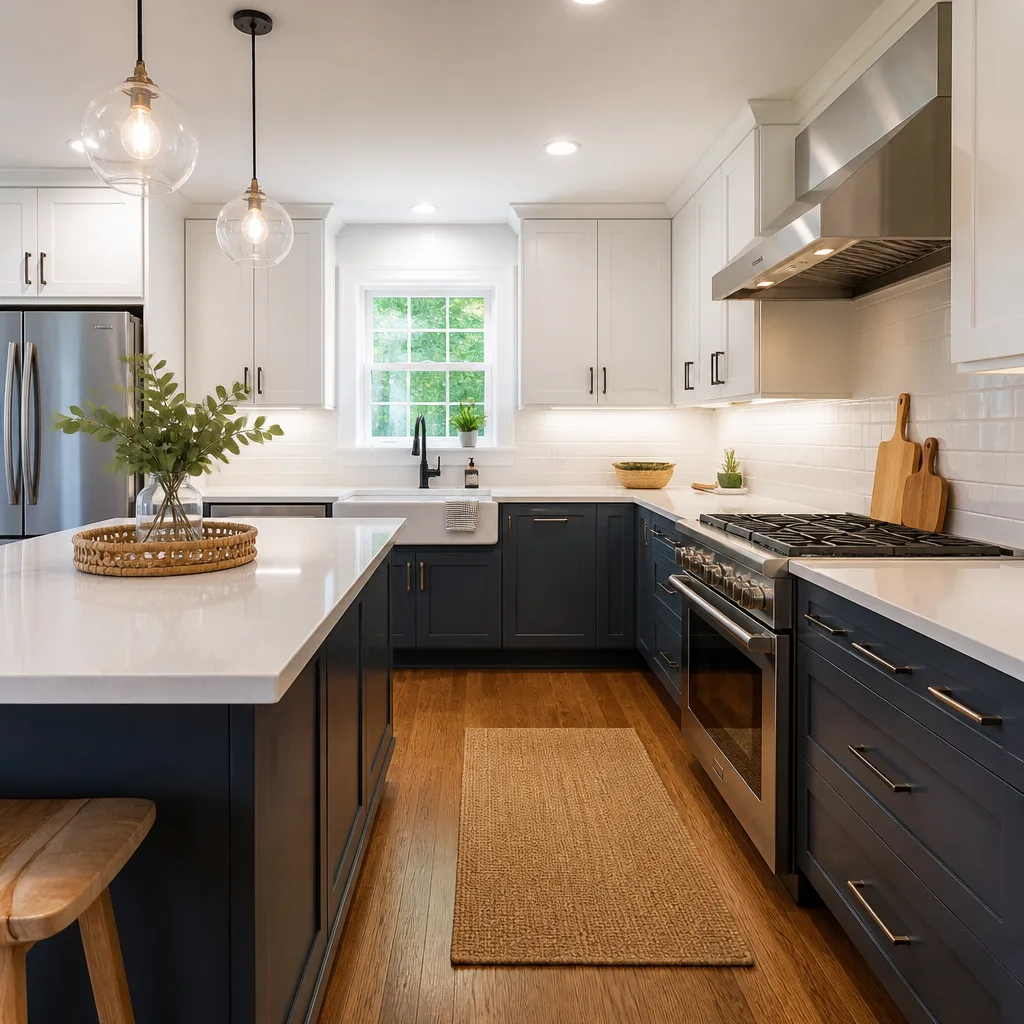
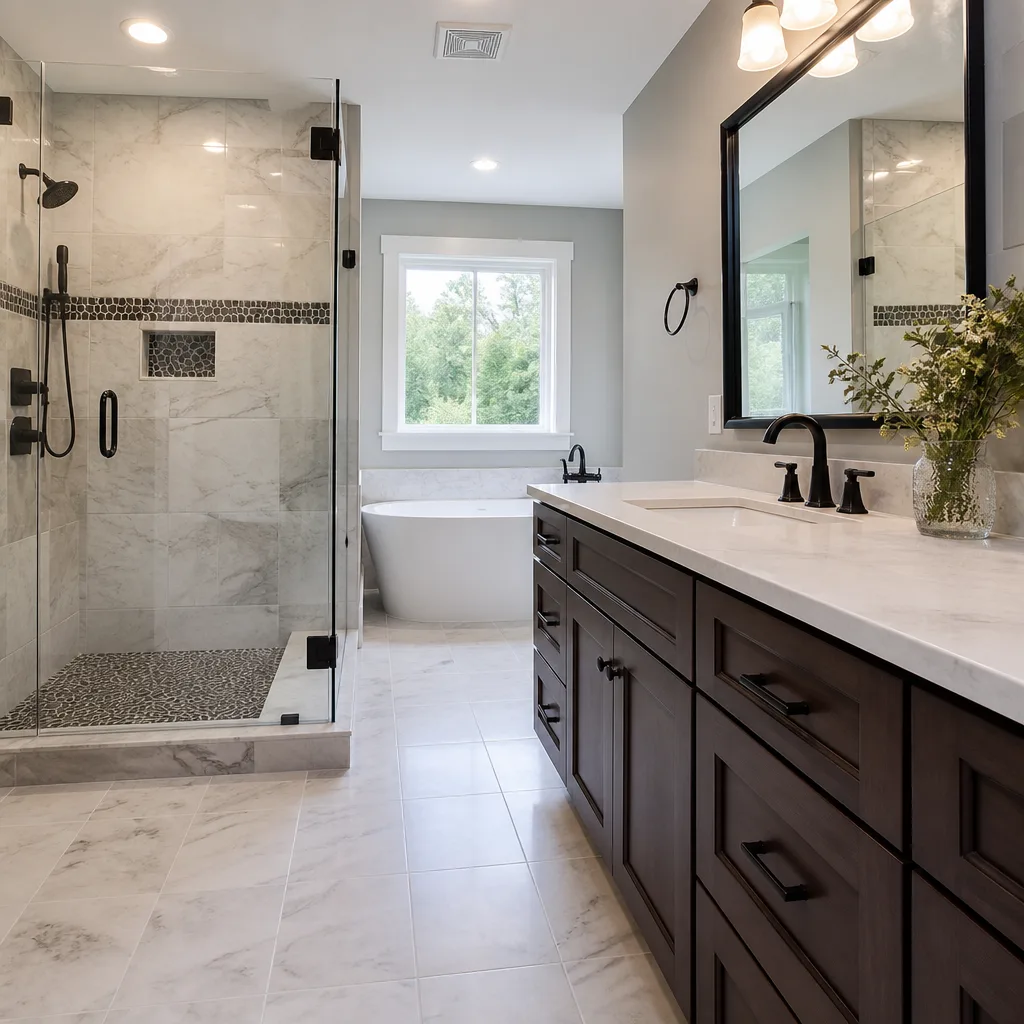
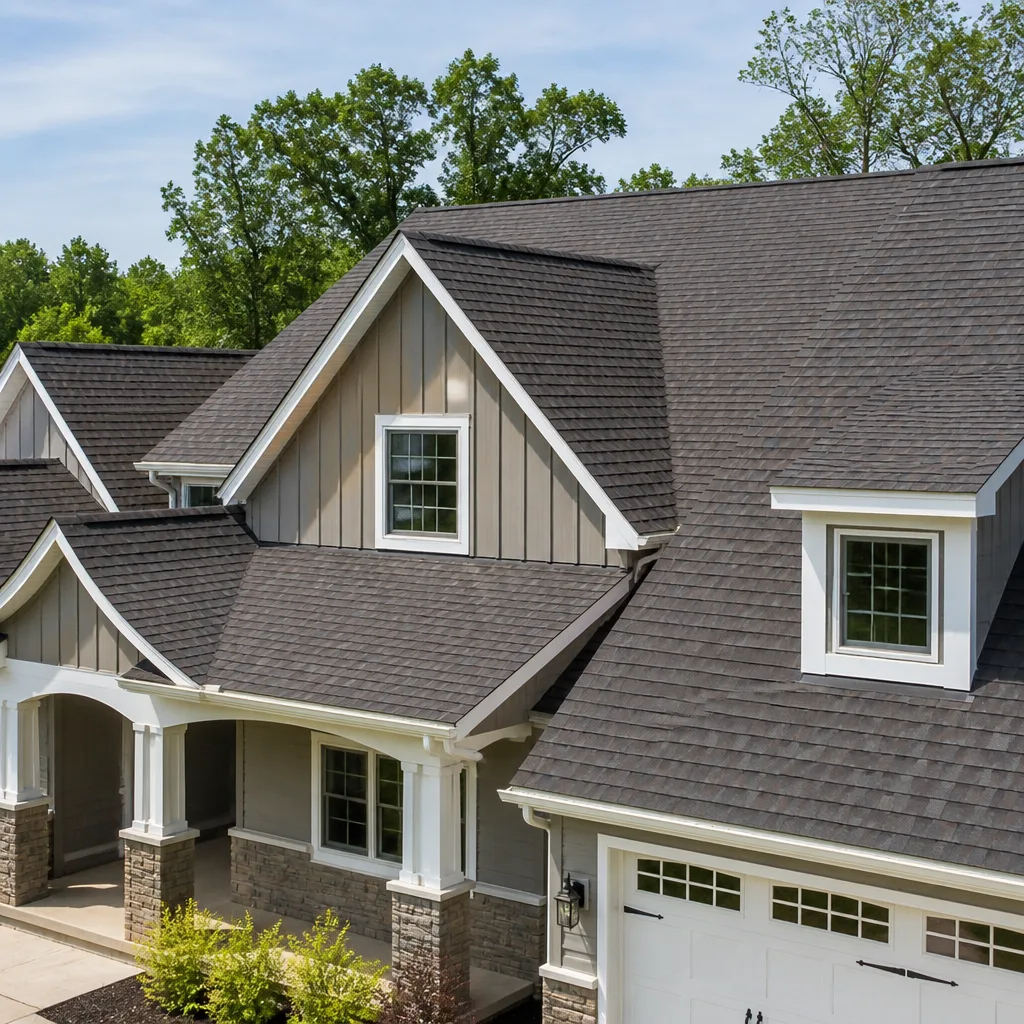
 Before
 After
After Before
 After
After Before
 After
AfterTherma-Tru Home Additions & ADU: The Los Angeles Owner’s Guide
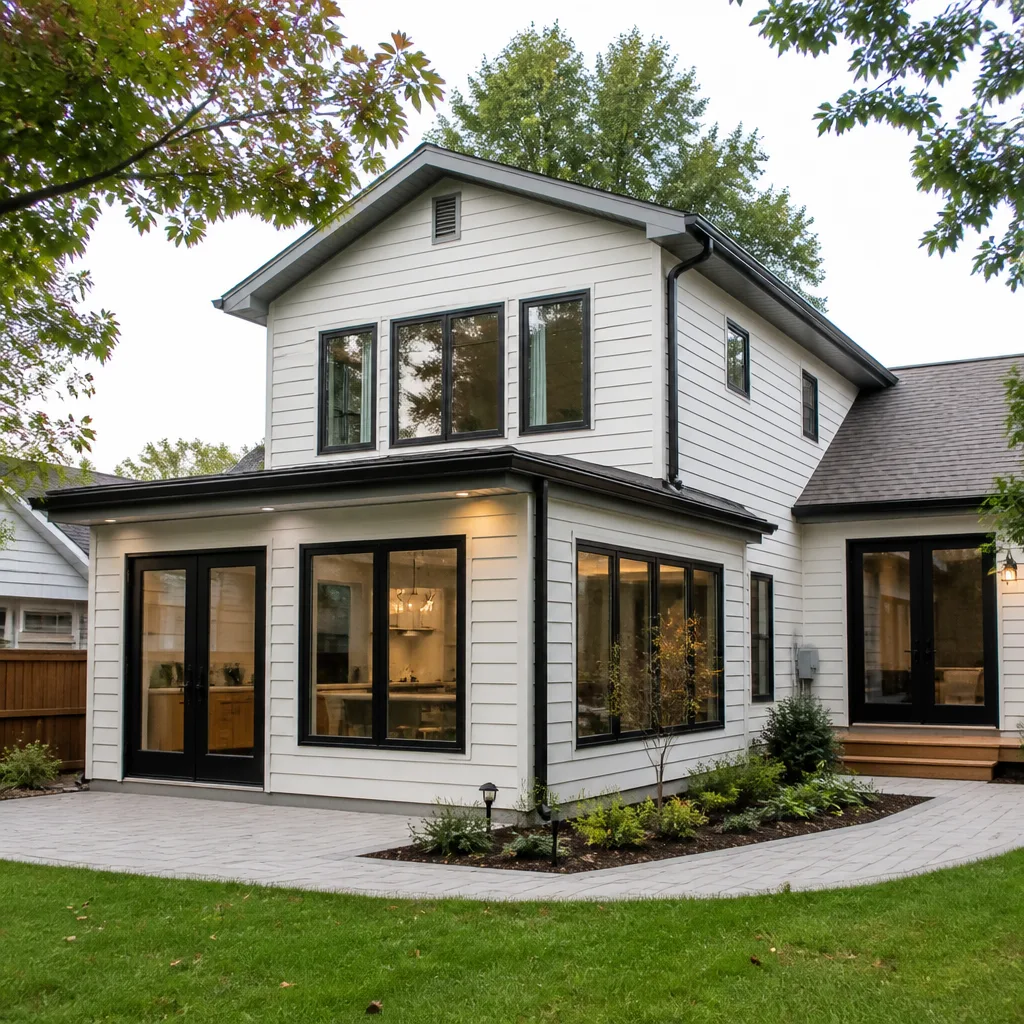
Home additions and ADUs built around Therma-Tru entry systems in Los Angeles typically run $53,100-$153,400 installed, depending on square footage, foundation work, and whether the existing Therma-Tru door and frame can be reused or needs reframing. We carry Therma-Tru-compatible rough openings, sill pans, and weatherstripping on our trucks so the door-to-wall transition stays sealed from day one. Most owners discover their addition or ADU has a problem the same way: a door that suddenly drags, daylight visible around the frame, or a floor that slopes toward the new wing after the first rainy season.
That last one is the one we get called about most. Los Angeles soil expands and contracts with wet-dry cycles, and a poorly tied addition will telegraph that movement straight through the door frame. If your Therma-Tru door worked fine in October and binds in February, the issue is rarely the door. It’s what the door is attached to.
Which Therma-Tru Models This Applies To
Therma-Tru builds entry doors in several series: Classic-Craft, Fiber-Classic, Smooth-Star, and Pulse. The door itself is the easy part to identify. Open it and look at the hinge edge for a white label with the series name, manufacturing date, and a nine-digit order code. That code tells us the door slab dimensions, the hinge prep, and whether the frame was ordered with a brickmold or a flush exterior. Here’s the gotcha: Therma-Tru’s frame systems changed in 2017. Pre-2017 frames were built to fit 4-9/16″ rough walls. Current production defaults to 6-9/16″ to accommodate 2×6 construction, which is now standard for ADUs in Los Angeles under Title 24 energy requirements. If your addition was framed with 2×6 walls and you reuse a pre-2017 frame, you’ll end up with an awkward interior jamb extension. If you frame 2×4 and buy a new 6-9/16″ frame, the brickmold will stick out past your stucco. Both are avoidable if you measure the rough opening before the door is ordered.
For OEM versus aftermarket: Therma-Tru’s warranty covers the door slab and frame when installed per their published instructions, which include a specific sill pan detail and fastener pattern. Aftermarket weatherstripping and threshold caps are fine. Aftermarket door slabs claiming to fit any Therma-Tru frame are not fine, because the hinge pocket locations differ by series. We spec OEM slabs and frames, and use aftermarket only for trim, seals, and hardware where it genuinely does not matter.
Signs Your Therma-Tru Home Additions & ADU Is Failing
- The door binds at the top latch-side corner in wet months. The addition’s foundation or floor framing is moving independently from the original structure. The door is the indicator, not the cause.
- Daylight visible around the frame after the first winter rains. The rough opening was oversized or the sill pan was skipped. Water intrusion through the threshold rots the subfloor under the door, and by the time you see it from inside, the damage is already spreading.
- Hairline cracks running diagonally from the door’s top corners into the stucco or drywall. Classic differential settlement between the original structure and the new addition. In Los Angeles, this often traces to foundation footings that were not deepened to account for the retaining wall or slope the addition sits on.
- The door swells or smells musty after rain. The addition’s flashing detail at the roofline is letting water into the wall cavity, and it is running down to pool at the door header. Fix the flashing first, then the door. Replacing the door alone just moves the problem to the next wet season.
- The deadbolt no longer lines up with the strike plate without lifting the handle. Door slab sag from hinge wear is normal after a decade. But if the whole frame has shifted, the hinges are fine and the structural tie between the addition and the original wall is not.
BeforeAfterReplacement Cost & What’s Included
For a Therma-Tru entry door replacement within a larger addition or ADU project in Los Angeles, the door portion of the work typically runs $5,310-$17,700 installed. That includes the OEM slab and frame, new sill pan, sealing, interior casing, and exterior trim. The broader price range of $53,100-$153,400 reflects the full addition: foundation and structural tie-in, framing, roofing, electrical rough-in and finish, HVAC, drywall, and the Therma-Tru door system as one integrated component.
What drives the range: square footage, whether you need a new foundation or can build on an existing slab, the condition of the wall you are tying into, and whether the ADU needs separate utility connections and a new service panel. Every quote we write is a flat price with a written scope and a written warranty. Under Clause 1 of the Haven Standard, the price is written before anyone starts. If a change comes up mid-project, no work proceeds until the change order is signed. That is not a slogan. It is the reason our projects finish within a few percent of the agreed number.
Key Takeaways:
- Installed price range for a Therma-Tru door on an addition or ADU: $5,310-$17,700
- Full addition or ADU project range: $53,100-$153,400
- Written flat price and scope before any work begins, every time
- 365-Day Done Right Promise: if it is not done right, Rowan makes it right
DIY or Call Us?
There are two things an owner can safely check before calling. First, open and close the door and watch the gap between the slab and frame. If the gap is even on both sides and the door only drags at the bottom, it may be a simple hinge adjustment or a threshold cap replacement. Second, look at the exterior sill. If the sill pan is missing or the caulking at the brickmold has failed, that is the water entry point. You can recaulk that yourself in an afternoon.
What you should not do is attempt to reframe a rough opening, cut into a load-bearing wall, or reflash the roofline. Los Angeles building code requires permits for structural changes on additions and ADUs, and the seismic tie-down requirements are specific. A door in a new addition is not hanging on a simple framed opening; it is sitting in a wall that has to resist lateral loads for the whole structure. Frame it wrong and the door will never close right, no matter how well it is hung. We pull the permits, we pass the inspections, and we document every visit with a photo record. Call (470) 298-9650 if the door is moving with the wall, not just sagging on its hinges.
FAQs
A properly installed Therma-Tru entry door on a well-anchored addition in Los Angeles should last 25-30 years before the slab or frame needs replacement. The weak point in LA is not the door; it is the flashing and sill detail, because our wet-dry soil cycles stress the foundation and our rare-but-intense rain events punish any gap in the water management system. Call (470) 298-9650 for an assessment.
Hinge adjustment, weatherstripping replacement, and threshold cap repair are all straightforward and inexpensive. But if the frame has shifted because the addition is moving, repairing the door is cosmetic. The structural issue has to be addressed first, or you will be back in the same spot next winter.
A straight door swap in an existing, sound rough opening takes one day. If the rough opening needs reframing or the structural tie-in to the original house needs reinforcement, the door portion of the project typically adds two to three days to the overall addition timeline, including inspection.
We stock Therma-Tru-compatible sill pans, weatherstripping, threshold caps, and fasteners on every truck, alongside specified hardware from KraftMaid, Cambria, and Silestone for the interior scope. Door slabs and frames are ordered per project from Therma-Tru’s current production because of the 2017 frame width change. If the part is on the truck, it is installed before we leave. If it is not, it is ordered that day with a delivery date in writing.
Written by Grant Rowan, Owner, Rowan Construction Group at Rowan Construction Group, serving Los Angeles and nearby areas.