
Free written scope consultation - allowances, timeline, and change-order rules on paper before a single trade is scheduled
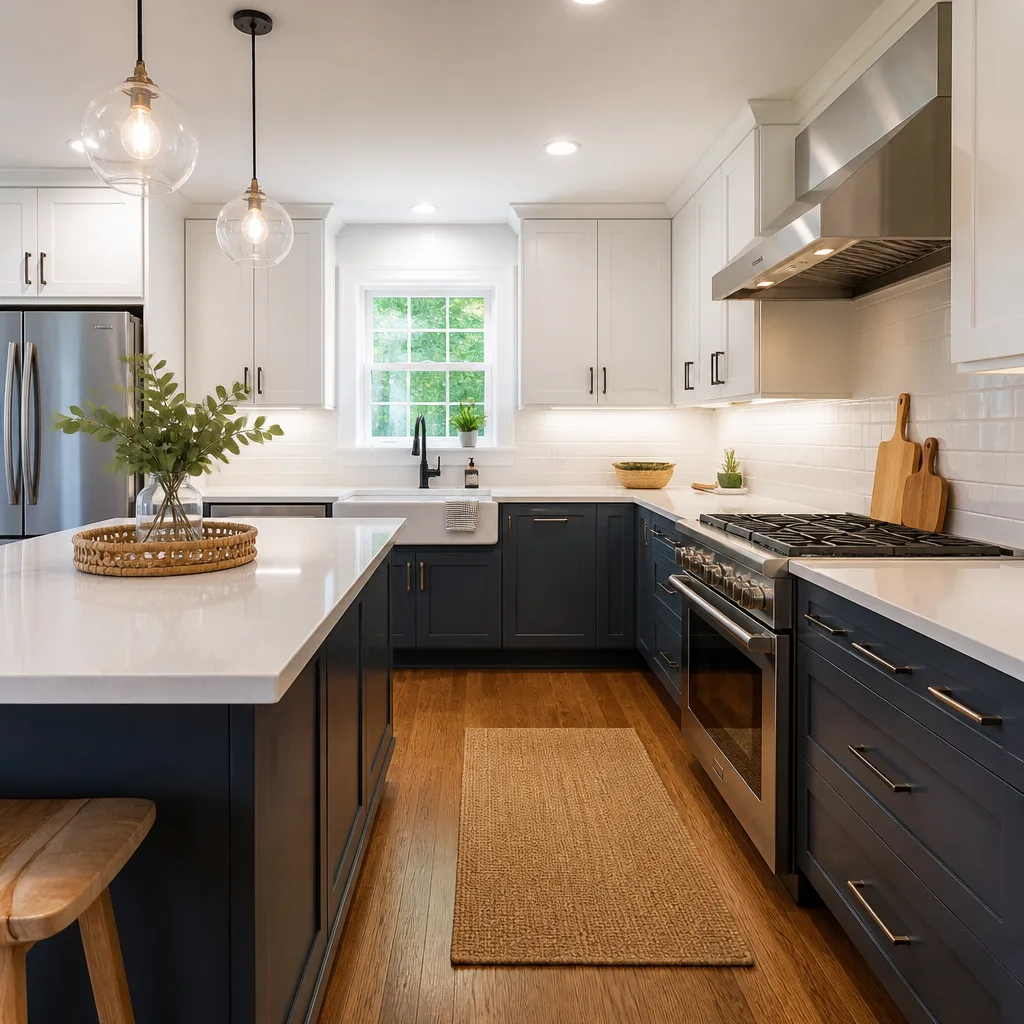
 Before
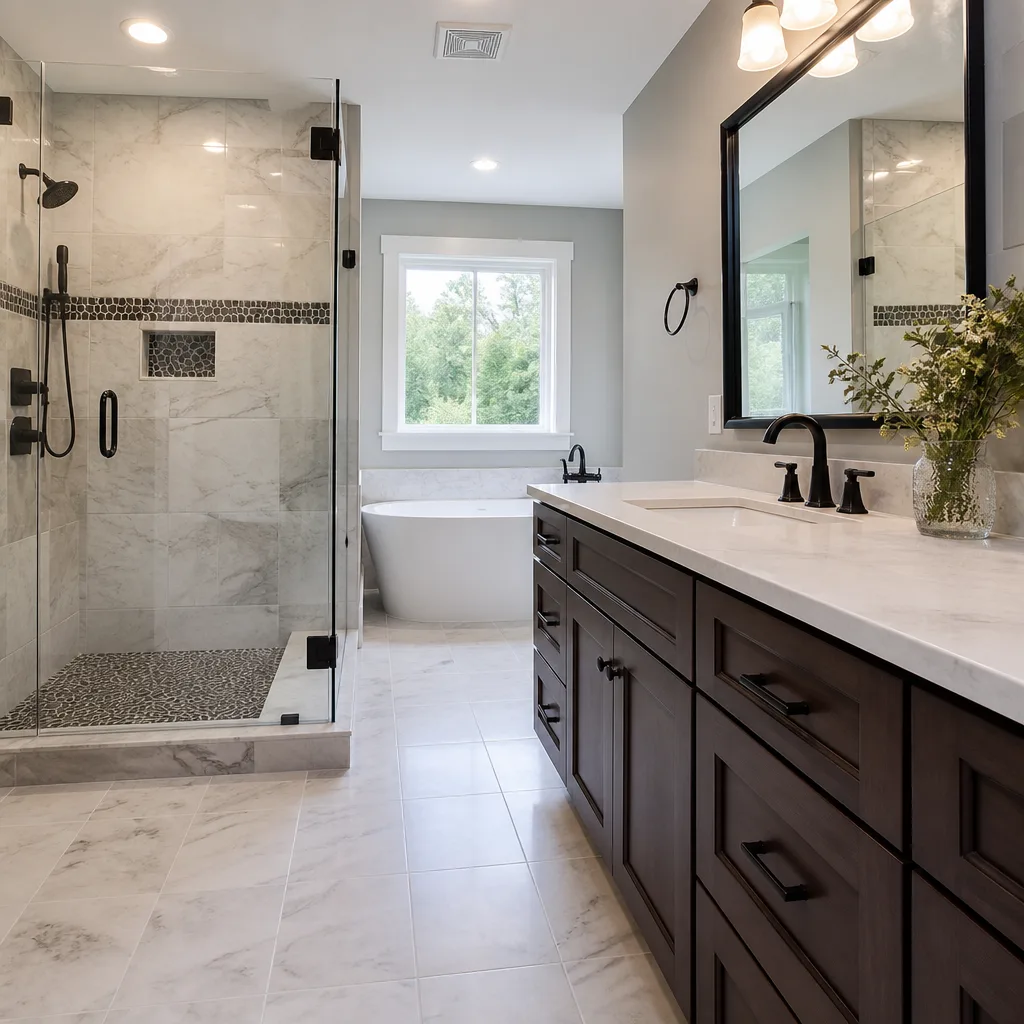
 After
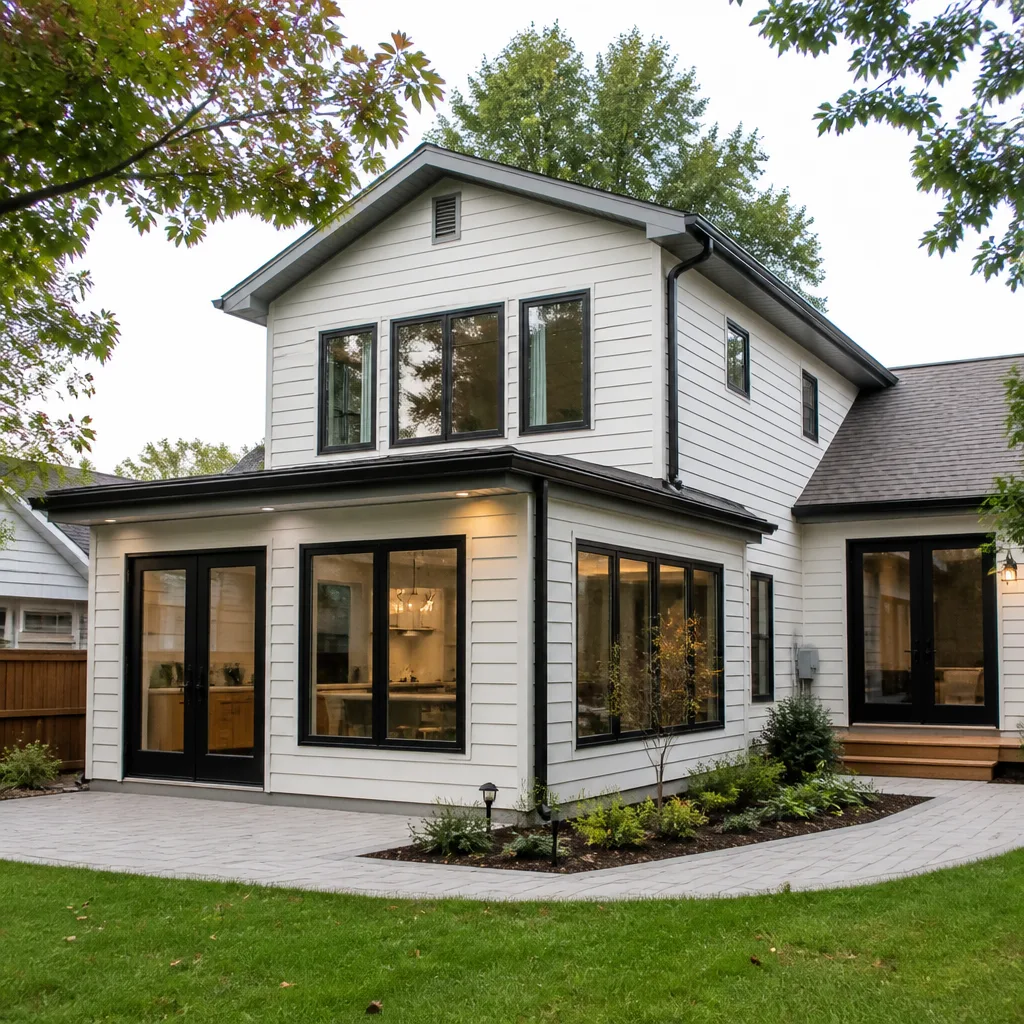
After Before
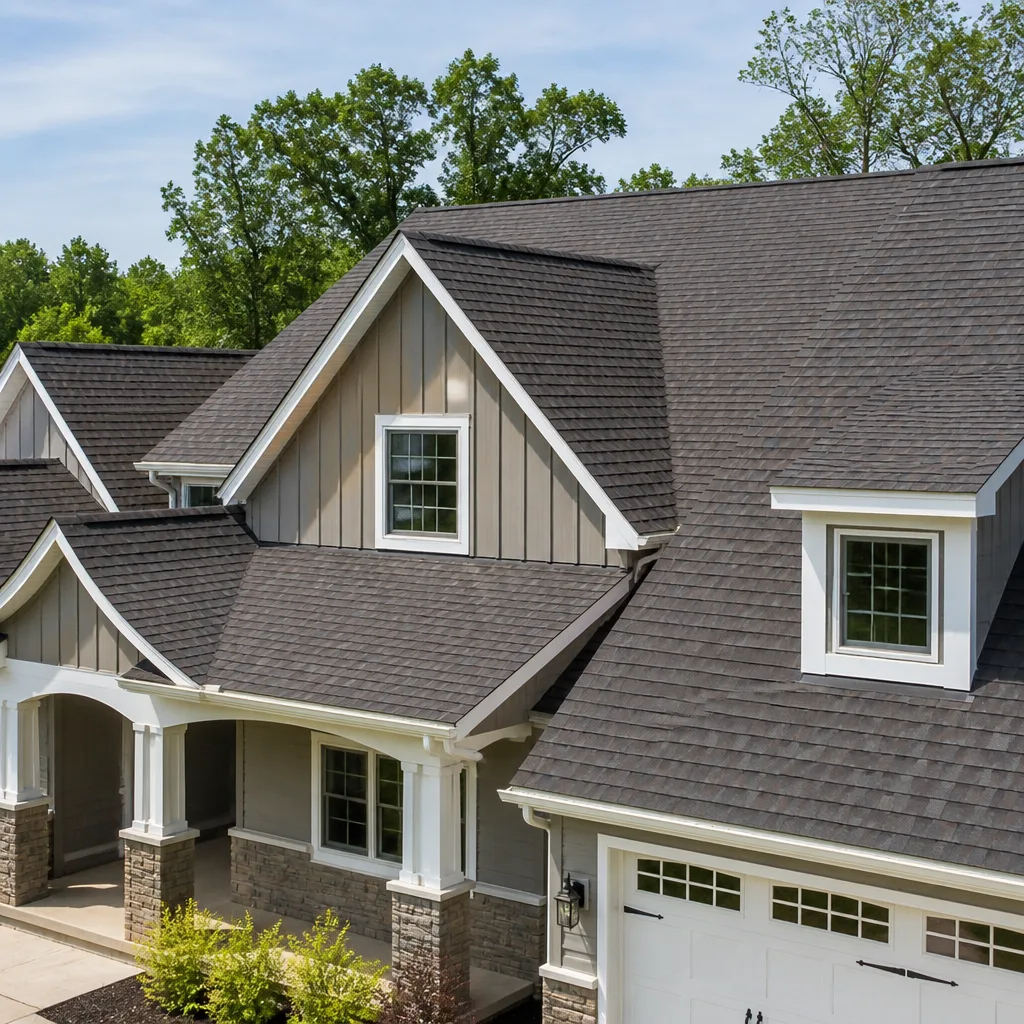
 After
After Before
 After
AfterViewLux Home Additions & ADU: The Los Angeles Owner’s Guide
ViewLux home additions and ADU construction in Los Angeles typically runs $53,100-$153,400 for a complete build, depending on square footage, foundation scope, and finish level. If you’re reading this, you likely have a ViewLux accessory dwelling unit or addition that’s showing structural or envelope failure and you need to know what it’ll cost to make it right. Most owners discover the problem the same way: a door that no longer closes square, a hairline crack that widened after the last rain, or a roofline that doesn’t look level from across the yard.
Rowan Construction Group is an independent contractor in Los Angeles, not affiliated with ViewLux. We work on ViewLux-built structures regularly and know where these builds tend to fail first: undersized footings on the ADU slab, unflashed transitions at the primary-structure tie-in, and roof decking that was never rated for the membrane system used. Under Clause 1 of The Haven Standard, you’ll get a written price and written scope before any work starts, so you’ll know the number before a tool is lifted.
Which ViewLux Models This Applies To
ViewLux builds two primary product lines in the Los Angeles market: detached ADU kits (typically 400-800 sq ft, engineered post-and-beam or light-gauge steel) and attached addition packages (bump-outs, primary suite additions, and second-story pop-ups). The failure points differ by line. Detached units most often show issues at the anchor-bolt pattern where the kit attaches to the slab; attached additions fail at the roofline tie-in and the flashing detail where new meets old.
Before you replace anything, locate the ViewLux serial plate, usually mounted on the interior side of the main electrical panel or on the bottom chord of the first truss inside the attic access. The plate lists the model code, the engineering reference number, and the original permit date. That permit date matters in Los Angeles: structures permitted before 2016 were built to older seismic and Title 24 energy codes, and any repair work that touches shear walls, glazing, or roof insulation triggers an upgrade requirement to current code. That’s not a contractor upselling you; it’s LADBS policy, and we’ll show you the code citation in the written scope.
On the OEM-vs-aftermarket question: ViewLux sources most of its structural connectors, hold-downs, and ties from Simpson Strong-Tie and USP. Those are commodity parts you can buy off the shelf. What you can’t buy off the shelf is the engineering that says which connector goes where. If we’re replacing a failed connector, we match the original spec or upgrade to a higher-capacity equivalent, and the written scope notes the part number and the capacity rating for each replacement. That’s the difference between a contractor who points at a crack and one who can tell you the load path.
Signs Your ViewLux Home Additions & ADU Is Failing
- Doors and windows that stick or won’t latch. This is the classic tell of differential settlement. On ViewLux detached ADUs in Los Angeles’ hillside zones like Mount Washington and Studio City, the slab edge can drop when the pad wasn’t over-excavated past the fill line. The door binds because the opening is no longer square, not because the hinges are worn.
- A drywall crack that runs diagonally from a corner at 45 degrees. Diagonal cracks mean shear stress, not shrinkage. On ViewLux attached additions, this usually traces back to the tie-in point where the new wall plate meets the existing framing. The old house moves one way; the addition moves another. The crack is the evidence.
- Staining or swelling at the roofline transition. Failed flashing at the new-to-existing roof tie-in lets water track along the underlayment and into the wall cavity. You see the stain at the interior ceiling first, months after the water entered. By then the decking is compromised and the repair is no longer a flashing job; it’s a reroof.
- A floor that slopes more than 1/4 inch over 4 feet. Put a level on it. Los Angeles building code allows 1/4 inch of deflection over 4 feet. More than that on a ViewLux slab indicates either a footing that’s undersized for the soil, expansive clay heave (common in the San Fernando Valley), or a plumbing leak that’s been eroding the subgrade.
- Gaps opening at the exterior stucco weep screed. The weep screed is the metal flashing at the bottom of a stucco wall. If you can fit a putty knife between the screed and the foundation, the framing behind it has settled or the paper backing has rotted. Either way, moisture is getting behind the stucco and the repair requires opening the wall to see what’s actually happening.
BeforeAfterReplacement Cost & What’s Included
In Los Angeles, a full ViewLux home addition or ADU rebuild on an existing permitted slab runs $53,100-$153,400. At the low end, you’re looking at a like-for-like structural repair: foundation retrofits, shear-wall correction, reflashing at the tie-in, and drywall restoration. At the upper end, you’re doing complete envelope replacement: roof structure, stucco or siding, all flashing, window reinstallation to Title 24 glazing standards, and seismic upgrades if the original permit predates 2016.
Here’s the line-item breakdown so you know what you’re paying for, in Los Angeles dollars:
- Foundation repair or retrofit (push piers, epoxy injection, or slab edge re-support): $8,260-$35,400
- Shear wall correction (plywood retrofit, hold-downs, anchor bolts per LADBS detail): $4,130-$17,700
- Roof tie-in reflash and decking replacement at the addition-to-existing junction: $3,540-$15,340
- Complete ADU re-roof (GAF or Owens Corning system, new underlayment, air-knitted ridge vent): $9,440-$23,600
- Stucco repair with weep screed replacement and waterproof paper: $2,950-$10,620
- Full interior restoration after structural work (drywall, texture, paint, trim): $5,900-$21,240
The range is driven by what we find when we open the wall. We can tell you the price of every line item before we start because we’ve done 4,000-plus projects with a written price delivered first, every time. The warranty on our structural work is written, not verbal: 10 years on structural labor, 5 years on envelope work, under the 365-Day Done Right Promise. If it’s not done right, we make it right.
Key Takeaways
- ViewLux additions and ADUs in Los Angeles fail most often at the foundation-to-slab connection, the roofline tie-in, and the stucco weep screed.
- Full rebuild on an existing slab: $53,100-$153,400, with a written price and scope before we start.
- Pre-2016 permits trigger Los Angeles seismic and Title 24 code upgrades on any structural repair.
- We’re independent from ViewLux, but we work on their structures regularly and match or upgrade every connector to the original engineered spec.
- Bring a competitor’s written estimate and we’ll review it line by line at no charge.
DIY or Call Us?
You can safely do the inspection work: put a level on the floor, check the weep screed gap, look at the attic access for the serial plate, and photograph any cracks with a tape measure in the frame for scale. That’s useful information, and it helps us give you an honest initial read over the phone.
What you shouldn’t do is open the wall yourself. Shear walls are load-bearing by definition, and cutting into one without knowing the load path can drop a roof section while you’re standing under it. The same goes for any work at the roofline tie-in. That junction carries the dead load of both structures, and it’s where water follows framing members into the house. If you disturb the flashing and don’t re-seat it correctly, you’ve converted a $3,500 repair into a $25,000 envelope failure. This is the part where the money gets spent either way: spend it on the front end with a contractor who writes the price down, or spend more later on the fix of the fix. Call (470) 298-9650 and we’ll walk you through what we’re seeing, then put it in writing.
FAQs
A properly constructed ViewLux structure on correctly engineered footings should last 50-70 years for the structural frame, but the envelope - flashing, stucco, roof underlayment - typically needs service at year 15 and full replacement by year 25 in Los Angeles, where the sun breaks down sealants faster than in coastal climates. If your unit is failing at year 5, that’s a construction defect, not normal wear. Call (470) 298-9650 and we’ll tell you which one you’re looking at.
Most failures are repairable, provided the framing lumber hasn’t been compromised by moisture or termite damage. We open the wall, document what we find with photos, and write the scope around what’s actually there. Full replacement only becomes necessary when the rot or structural damage exceeds 30% of the affected framing members. Under our process, you see those photos before you approve the scope.
A targeted structural repair, like shear-wall correction or tie-in reflash, takes 3-7 working days from permit approval to final inspection. A complete envelope replacement runs 3-6 weeks, and a full ADU rebuild on an existing slab runs 8-16 weeks depending on LADBS inspection scheduling. We write the timeline into the scope alongside the price, and we don’t start until you’ve signed it.
We stock the most common structural connectors, hold-downs, anchor bolts, and flashing profiles on our service vehicles, including Simpson Strong-Tie and USP parts that match or exceed the original ViewLux spec. Anything we don’t have, we order same-day from Los Angeles suppliers. Sourcing depth across fifty-plus brands - KraftMaid, Cambria, Silestone, GAF, Owens Corning, Kohler - means the written quote reflects an honest number, not an inflated one, because we know what things actually cost.
Measure twice, say it once, show your work.
Written by Grant Rowan, Owner, Rowan Construction Group at Rowan Construction Group, serving Los Angeles and nearby areas.
Ready to get the real condition of your ViewLux structure documented? Call (470) 298-9650 for a free estimate - we’ll put the number in writing before anyone picks up a tool.