
Free written scope consultation - allowances, timeline, and change-order rules on paper before a single trade is scheduled
 Before
 After
After Before
 After
After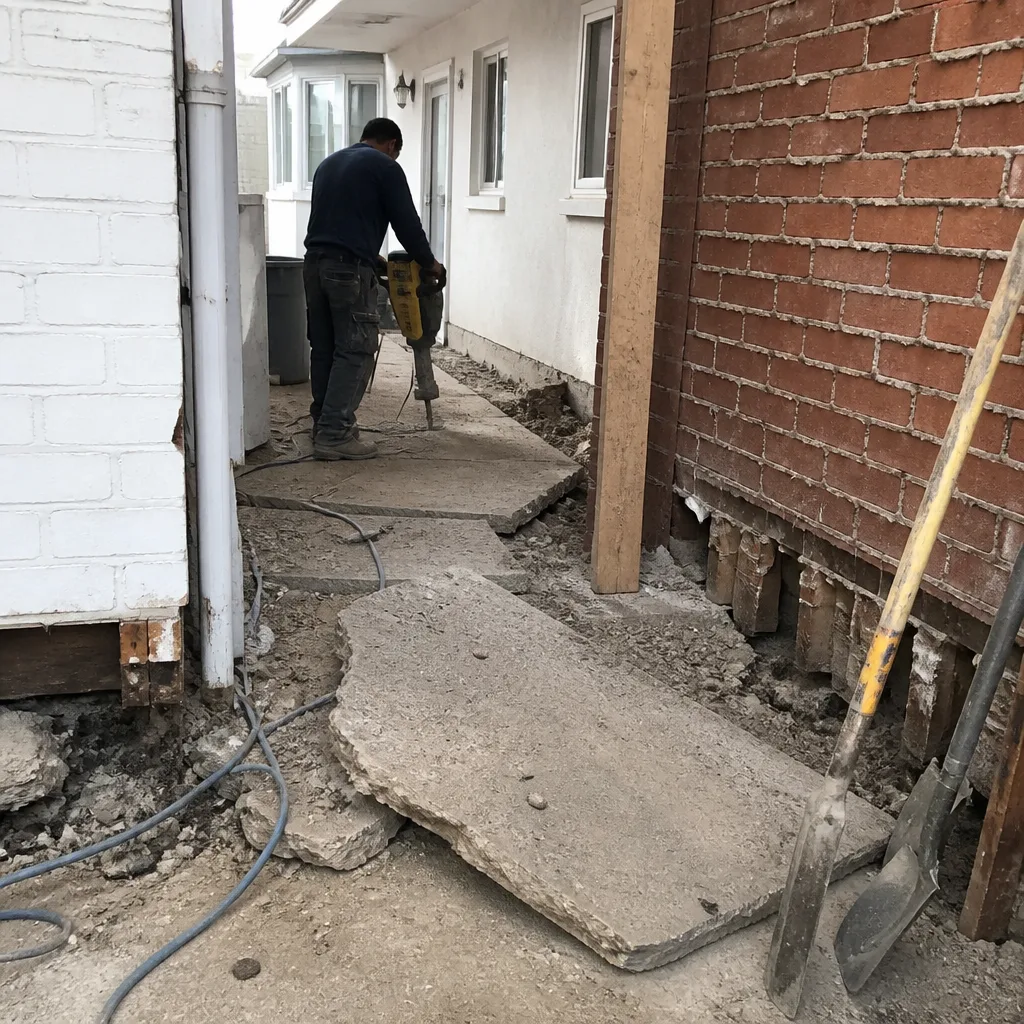 Before
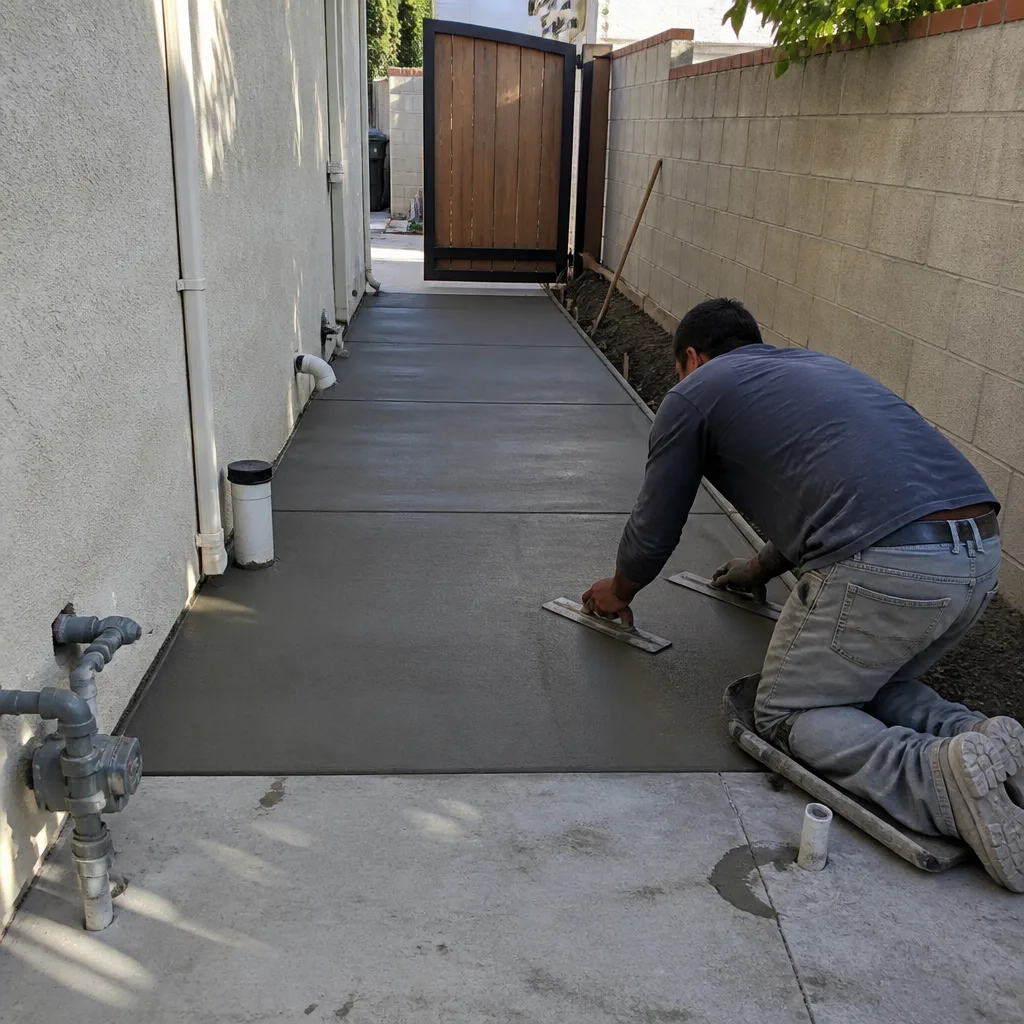 After
AfterFast, Reliable Fence Installation Across Corona
Fence installation in Corona, CA typically runs $3,500 to $9,000 for a standard residential project, with vinyl and aluminum systems landing between $4,000 and $10,000 depending on linear footage, terrain, and soil conditions. We schedule most Corona jobs within five to seven business days once the written scope is approved. The soils here are not like the coast. Riverside County clay moves. If you want a fence that does not lean after two winters, the footings have to account for that movement from day one. Call (470) 298-9650 and we will walk you through what that means on your specific lot, in writing, before anyone digs.
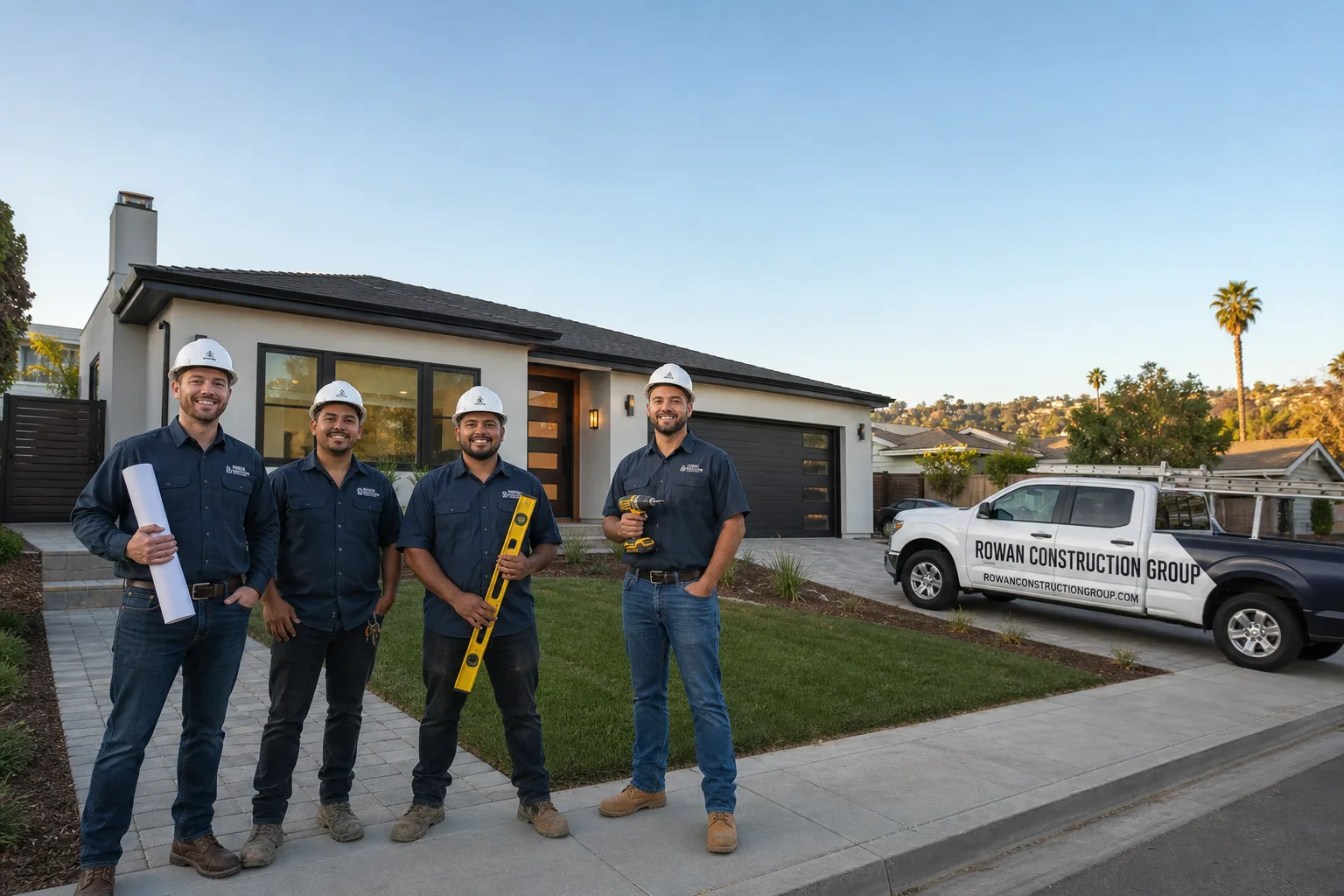
We are Rowan Construction Group. We quote every Corona fence project the same way we quote every job across our seven trades: a flat written price, a written scope, and a written warranty. No one digs a post hole until you have signed off on the number. That is Clause 1 of The Haven Standard, and it is the reason 4,000-plus projects have finished within a few percent of the agreed price since 2007. Led by Grant Rowan, our crews in Corona are background-checked and uniformed. Every visit produces a documented photo record, standard, not optional.
Key Takeaways:
- Fence installation in Corona costs $3,500 to $9,000 for most residential runs; vinyl and aluminum run $4,000 to $10,000.
- Expansive clay soil means post depth and drainage matter more here than almost anywhere in Southern California.
- We put the price on the page and in the contract. No work proceeds without a signed change order.
- Serving all of Corona, including Sycamore Creek, Sierra del Oro, and neighborhoods along Green River Road.
- The 365-Day Done Right Promise covers every fence we install. If it is not done right, we make it right.
Why Rowan Construction Group Is Corona’s Preferred Fence Installation Company
Corona homeowners tend to be unusually good at reading a contractor. Most of our customers here bought between 2015 and 2025, paid a serious price, and now research the way they would research a refrigerator: they read the three-star reviews, compare the line items, and ask for the number before they pick up the phone. That suits us. We have been writing flat prices and documented scopes since 2007, and our Corona customers consistently tell us the same thing: the quote matched the final invoice, and the crew left the property cleaner than they found it.
Response time to Corona is a real variable in this market. Most of our scheduling and dispatch runs through our Inland Empire office in the Riverside-San Bernardino area, which puts our crews roughly 15 to 25 minutes from most Corona neighborhoods. That means a fence estimate is measured in days, not weeks. A live person answers our phone 24/7. Background checks and uniforms are standard on every visit. And if you bring us a competitor’s written estimate, Grant Rowan’s team will review it line by line at no charge. That is the Free Second Opinion policy, and it has won us more Corona jobs than any advertising we have ever run.
Local reputation matters here. Corona is not a city where you can float on a flashy website. Our Fence Installation crew has replaced failing fences in Sycamore Creek, repaired leaning post lines near Green River Road, and installed new vinyl runs throughout South Corona. Homeowners in these neighborhoods talk to each other. When a fence stays straight through two clay seasons and one Santa Ana autumn, the neighbor notices. That is the reputation we are after.
Our Fence Installation Services in Corona
Wood Fence
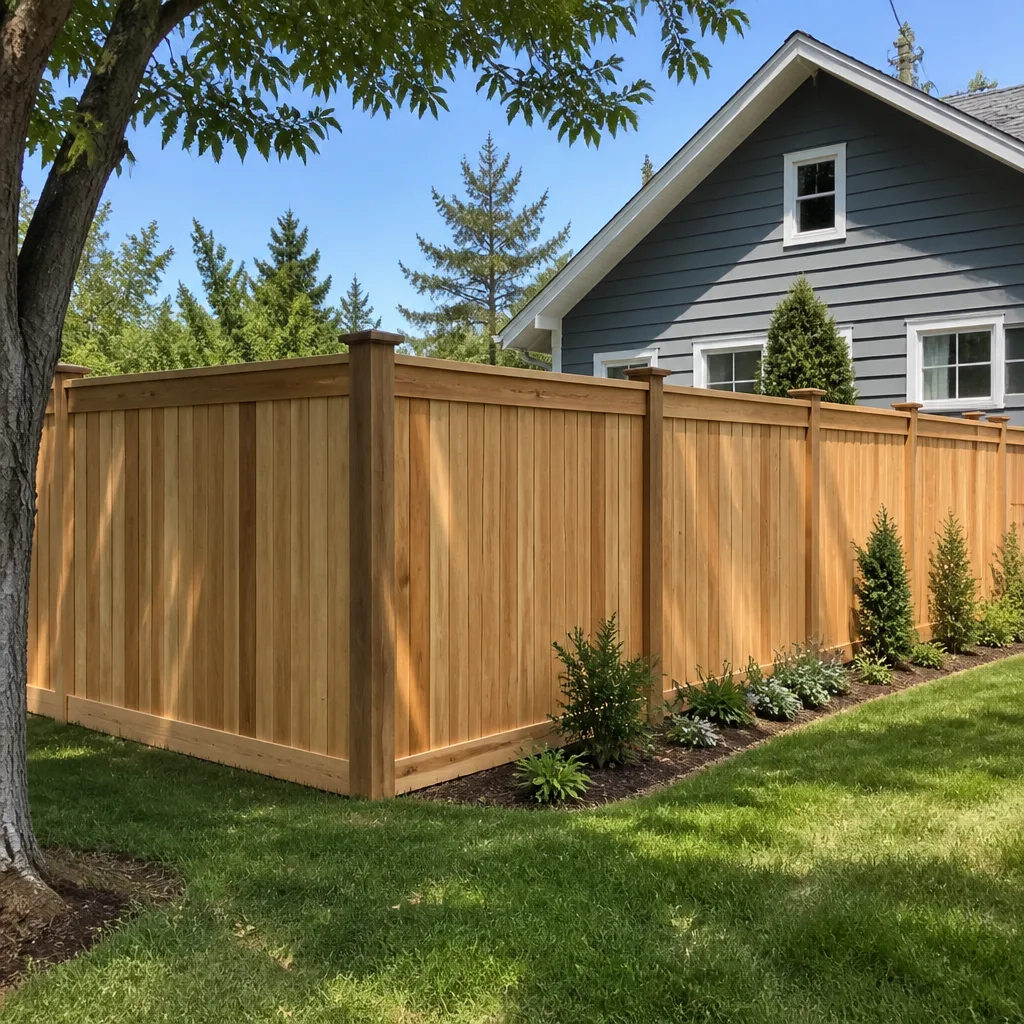
Wood fences are the most common fence type in Corona, and also the one most punished by the local climate. Summer temperatures above 105°F pull moisture out of cedar and redwood planks within a few years. Boards split along screw lines, rails separate from posts, and gates start dragging. We frame Corona wood fences in pressure-treated lumber, use galvanized hardware, and pre-drill every screw line to reduce splitting. When we remove an old fence, we show you the condition of the posts before we re-frame, so you are never paying to hide a problem.
Vinyl Fence
Vinyl works well in Corona for one simple reason: it does not absorb moisture the way wood does. That matters on Riverside County clay, where seasonal moisture swings are the root cause of most fence failures. A properly set vinyl fence with deep concrete footings will not warp in the summer heat or swell in a wet winter. Vinyl fence installation in Corona runs $3,500 to $9,000 for a typical residential yard. It is the most requested fence type we install in the newer South Corona neighborhoods.
Chain Link Fence
Chain link remains the workhorse for side yards, dog runs, and property-line demarkation on larger lots. In Corona, the most common failure we see is not the mesh, it is the posts. Shallow footings in clay soil will heave a chain link post out of plumb within a few wet winters. We set chain link posts at least 30 inches deep with gravel drainage at the base, which prevents the soil from gripping the concrete and lifting it.
Aluminum Fence
Aluminum is the standard for pool enclosures and decorative front-yard fencing in Corona. It does not rust, it is light enough to work with on a hillside lot, and it meets Riverside County pool barrier code when installed at the correct height and spacing. Aluminum fence installation in Corona runs $4,000 to $10,000. We stock black and bronze aluminum panels from vetted manufacturers, so replacement sections match the original profile even when the original was installed by another contractor.
What happens when you call
- 1
A real person answersNo phone trees - you reach a local pro.
- 2
You get an upfront price rangeHonest numbers before anyone is dispatched.
- 3
A background-checked tech heads outLicensed & insured, dispatched right away.
- 4
You approve before work beginsNothing starts until you say go.
BeforeAfterTrusted Brands We Service in Corona
We do not install one brand of fence and call it a day. Depending on the project, we work with systems from manufacturers including Abodu and Dvele, whose prefabricated fence panels and hardscape systems have become a durable option for Corona’s newer tracts. What matters more than the name on the box is whether the product is in stock when the customer needs it. We keep common vinyl fence panels, aluminum pickets, and pressure-treated rail stock available through our Inland Empire supply chain, which gets material to a Corona job site quickly when a repair cannot wait. Every product we install carries a manufacturer warranty, and our written warranty covers the installation separately.
Common Fence Installation Problems We See in Corona Homes
This is where local experience actually changes the result. The conditions that damage fences in Corona are consistent, and they are not the same conditions you would find ten miles west in Orange County.
- Winter soil expansion heaving shallow footings. Riverside County clay absorbs water in the wet season and swells, which lifts shallow concrete footings out of the ground. Gates start to drag, rails pull away from posts, and the whole line shifts out of true. The fix is deeper footings with drainage, but it has to be done at installation. You cannot retrofit a shallow post without replacing it.
- Summer heat drying out wood fences within a few years. A cedar fence that lasts 15 years in coastal Orange County can start splitting at the screw lines in five years in Corona. The combination of 105°F-plus temperatures and single-digit humidity pulls moisture out of the wood faster than sealant can replace it. We pre-drill every fastener and recommend pressure-treated framing, which extends the useful life by a measurable margin.
- Hillside cut-and-fill lots destabilizing post holes near old retaining walls. In northwest Corona, particularly around Sierra del Oro and along Green River Road, homes graded in the late 1980s and 1990s sit on cut-and-fill soil that can shift near old retaining walls. Post holes in these zones sometimes hit loose fill or buried construction debris. When we suspect a problem, we recommend a soils assessment before we pour. It costs a little more up front and prevents a leaning fence two years later.
- Santa Ana winds stressing gate hardware and rail connections. Fall wind events near the Cleveland National Forest interface can push 50-plus mph gusts through the flatland tracts. Poorly braced gates and undersized hinges fail under that load. We use heavier-gauge gate frames and commercial hinges on any Corona fence that faces an open corridor.
Pricing for Fence Installation in Corona, CA
The honest range for fence installation in Corona is $3,500 to $9,000 for a standard residential project, with the spread driven by linear footage, material, access, and soil conditions. Vinyl fences run $3,500 to $9,000. Aluminum runs $4,000 to $10,000. Wood fences typically land in the middle of the range, but a hillside lot with cut-and-fill soil can push the footing work higher than a flat tract home in South Corona. What does not change is the process: the price we put in writing is the price you pay. If something changes on the job, you sign a change order before the work proceeds. No surprises, no verbal agreements, no moving the number after the fact.
| Fence Type | Typical Corona Price Range |
|---|---|
| Vinyl Fence Installation | $3,500-$9,000 |
| Aluminum Fence Installation | $4,000-$10,000 |
Schedule your free estimate by calling (470) 298-9650. We will measure your fence line, check the soil where the posts will go, and hand you a written price before we leave the property.
The Soil, Heat, and Wind That Make Fence Installation in Corona Different
If you install a fence in Corona the way you would install one in Irvine, it will lean. The reason is the soil. Riverside County sits on expansive clay that shrinks when it dries and swells when it gets wet. The seasonal moisture cycle pushes and pulls on every concrete footing in the ground. Over time, that movement shifts post footings and rails in a way that coastal Orange County, ten miles west on the 91, rarely experiences. Corona’s dominant housing stock was built between roughly 1985 and 2008 as stucco-over-wood-frame tract homes, and many of those properties are now hitting the 20-to-40-year mark where fence components fail all at once: original posts heaving, rails separating, gates dragging. Deeper concrete pours and soil-stabilization methods are standard practice for us here, not an upgrade we suggest after the fence starts leaning.
Then there is the heat. Corona sits in a thermal basin that regularly reaches 105°F to 110°F in summer with very low humidity. That is far more punishing on wood fences than the ocean-moderated climate that Orange County enjoys. Cedar and redwood dry out, warp, and split along screw lines within a few years. A fence that looks fine in spring can crack wide open by September. We pre-drill fastener holes and use pressure-treated framing to slow the process, and we tell customers honestly what to expect from each material in this specific climate.
Finally, the wind. Fall Santa Ana events near the Cleveland National Forest interface produce gusts strong enough to break gate hinges and separate rails from posts. In the northern and western foothills, Cal Fire-regulated Wildland-Urban Interface zones add fire-hardening requirements to fencing materials including ember-resistant designs and ignition-resistant components. Those requirements do not appear in the flatland tracts, but they affect a growing number of Corona properties each year. We know which zones require what, and we build the code compliance into the written scope from the start.
What Opening Up an Older Corona Home Actually Turns Up
Most fence projects in Corona start with a simple goal: replace a fence. Then we pull the old posts, and the real condition of the property shows up. We find the same things over and over: original posts that were set shallow in 1990s tract construction, undersized framing that never met current wind-load standards, and drainage that was never accounted for. In some cases, the fence was built directly over a clay layer without gravel at the base of the footing, which is why every other post has heaved out of true. On a 1998 stucco tract home near Sycamore Creek, our crew pulled out a failing wood privacy fence where every other post had leaned within five years. We augered through the clay layer, set 30-inch concrete footings with gravel drainage, and re-framed the runs in pressure-treated lumber to match the original style, then had the owner walk the line with a string level before we called it done.
That is the difference between a fence quote written from a truck and one written from a site visit. We inspect first. Then we write the number. Then we sign the scope. If we hit something unexpected underground, you approve the change in writing before we spend a dollar on it. Under Clause 1 of The Haven Standard, the price is written before anyone starts. Under Clause 2, no work proceeds on a change until the change order is signed. That discipline has kept our projects within a few percent of the agreed price across 4,000-plus jobs.
We Also Serve Cities Near Corona
Our fence crews regularly work in Corona and the surrounding area, including Norco, Chino, Chino Hills, and Irvine. If your property is a few miles outside the Corona line, call us anyway. We schedule our crews by route, and the Inland Empire dispatch office keeps our travel time short. The same written pricing and documented scope apply to every job, no matter which side of the 91 your fence is on.
Serving Corona, CA - Our Local Coverage Area
We’re based in the Corona area and know this community well. Use the map below to see our service coverage - if you’re nearby, we can almost certainly help.
FAQs - Fence Installation in Corona
For a like-for-like fence replacement on the same footprint, Corona generally does not require a permit. If you are changing the fence height, adding a new fence where none existed, or building in a Wildland-Urban Interface zone near the Cleveland National Forest interface, a permit may be required. We pull permits when the job calls for one, and the permit cost is written into the quote before you sign. Call (470) 298-9650 and we will check your specific property against current Corona requirements.
For most Corona fences, we set posts 30 inches deep with a gravel drainage layer at the base of each footing. That depth gets the concrete below the zone where surface moisture most aggressively swells the clay. On hillside or cut-and-fill lots, we may go deeper or recommend a soils assessment before we pour. Shallow 18-inch post holes are the most common cause of leaning fences in Corona’s tract neighborhoods, and they are relatively cheap to do right the first time.
The fences in Sycamore Creek lean because many were originally built with shallow footings in expansive clay, and the seasonal moisture cycle slowly heaves the posts out of plumb. Every other post in a failing Sycamore Creek fence will typically be 2 to 4 degrees off vertical after five years. Our standard fix is to auger through the clay, set 30-inch concrete footings with gravel drainage, and re-frame in pressure-treated lumber. We have done this exact repair on multiple Sycamore Creek properties, and the owners walk the line with a string level before we leave.
Yes, vinyl fence installation works on a hillside lot in northwest Corona, but the footing requirements are stricter. Cut-and-fill grading means the post holes may encounter loose fill or debris near old retaining walls, which can destabilize a standard footing. We step the fence panels to follow the grade rather than racking them, and we set deeper footings wherever the soil looks questionable. Vinyl fence installation in Corona runs $3,500 to $9,000, and hillside work typically lands at the higher end of that range. Call (470) 298-9650 for a written price on your lot.
Santa Ana winds in Corona apply sustained lateral pressure that most standard fences were never engineered to handle. Gates bend at the hinges, rails separate from posts, and entire sections can push over if the footings are shallow. We use heavier-gauge gate frames, commercial hinges, and additional rail bracing on any Corona fence that faces an open corridor or the foothill wind path. The cost difference is modest compared to replacing a blown-over fence section.
Get Your Written Fence Installation Price in Corona
If you are pricing a fence in Corona, start with the number. Call (470) 298-9650 and we will schedule a site visit, measure your fence line, check the soil where the posts will go, and hand you a written flat price with a written scope and a written warranty. The quote is yours to keep and compare. Bring us another contractor’s estimate and we will review it line by line at no charge. No pressure, no promises that start with “trust us.” Just a documented record and a 365-Day Done Right Promise behind every post we set.
Written by Grant Rowan, Owner at Rowan Construction Group, serving Corona and the Inland Empire since 2007.
Fence Installation in Nearby Areas