

Free written scope consultation - allowances, timeline, and change-order rules on paper before a single trade is scheduled




 Before
 After
After Before
 After
After Before
 After
AfterRoofing Stopped Working
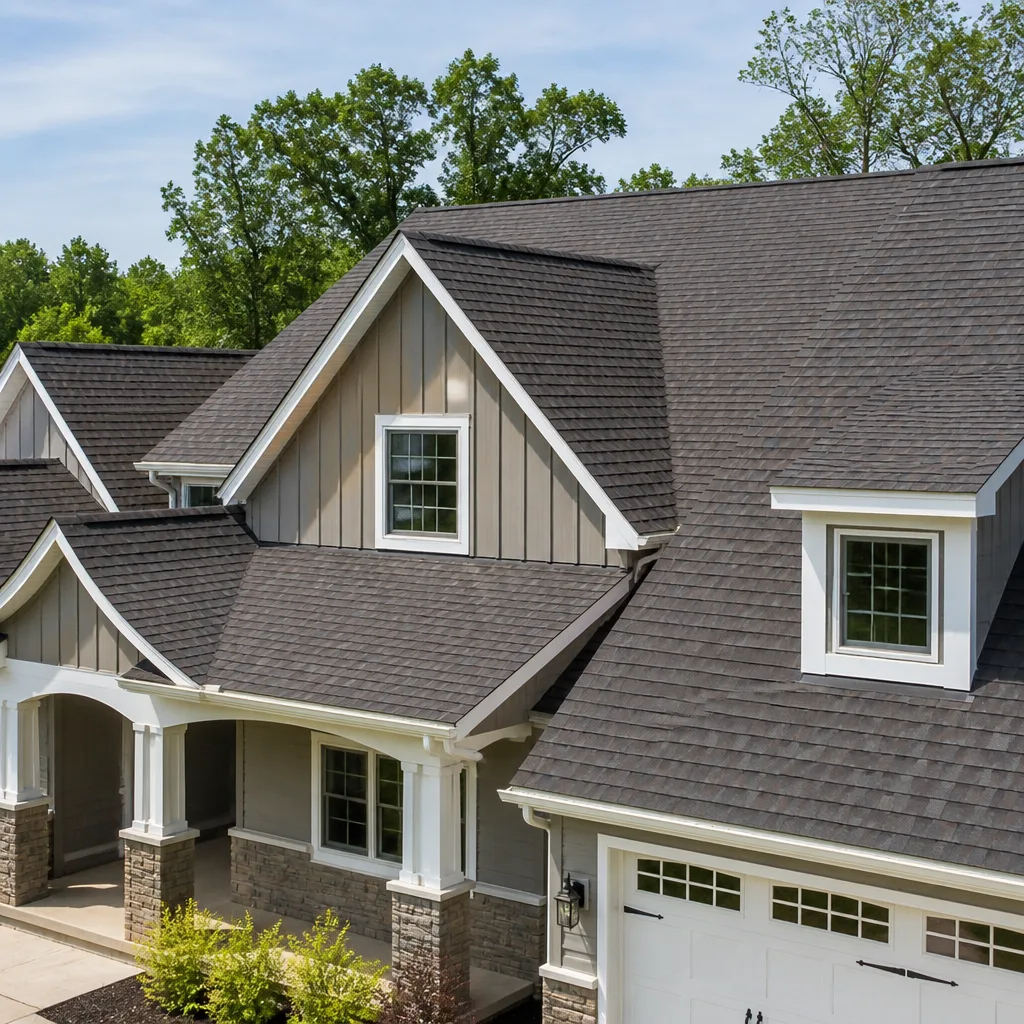
When your roof stops doing its job, the evidence usually shows up inside the house before it shows up on the roof itself: a water stain on the ceiling, a draft near a roofline wall, or daylight peeking through where there shouldn’t be any. Almost always, the cause is one of four things – aged or damaged shingles, failed flashing, compromised underlayment, or a ventilation problem that has been quietly building for years. None of them fix themselves, and most of them get measurably worse between now and the next rain event.
A roof is not a single material. It’s a system: shingles on the surface, flashing at every transition point, underlayment beneath, decking below that, and a ventilation path running through the whole structure. When one layer stops doing its job, the layers beneath it start absorbing load they were never designed to carry. That’s why a small leak on Tuesday becomes rotted decking by spring. Understanding which layer failed is the first step toward an honest repair – and that’s exactly what the walk-through is for.
Why It Happens
Shingle Failure
Asphalt shingles have a finite life. As they age, the granule surface wears off – you’ll see those granules collecting in gutters or at the base of downspouts, which looks like coarse dark sand. Once the granule layer is gone, the asphalt beneath cures and cracks in the sun, and water finds the seams. Missing shingles after a wind event are a more immediate version of the same problem: the fastening tabs lift, the shingle goes, and the underlayment underneath is now the only thing between your attic and the sky.
Flashing Failure
Flashing is the metal trim installed at every point where the roof meets something else – a chimney, a skylight, a dormer wall, a plumbing stack. It’s almost always where leaks actually enter the structure, even when the shingles above it look fine. The sign a homeowner can read from the attic: look at the underside of the roof deck around any penetration with a flashlight. If you see staining, efflorescence (a white mineral deposit), or soft wood, the flashing above that point has failed or separated.
Underlayment and Deck Damage
The underlayment is a moisture barrier between the shingles and the structural decking. When it fails – through age, improper installation, or prolonged exposure after shingle loss – water reaches the OSB or plywood deck below. Decking that has absorbed water will feel soft underfoot if you’re ever up there safely, but the more readable sign from inside is a ceiling stain that grows after rain and then dries to a yellow ring. A growing ring means the water is traveling before it drops, which points to a horizontal failure in the underlayment plane rather than a single puncture.
Ventilation Problems
A poorly ventilated attic destroys roofing from the inside out. In summer, trapped heat accelerates shingle aging from below; in winter, warm attic air hits the cold deck and condenses, slowly saturating insulation and wood fiber. The homeowner-readable signs are ice dams forming at the eaves in cold climates, visible frost on the underside of roof decking on a cold morning, or insulation that feels damp to the touch. These are not cosmetic issues – they are structural ones in progress, and they often invalidate a shingle manufacturer’s warranty if left unaddressed.
What to Do Right Now
- Go inside, not outside. Your first inspection should be from the attic with a flashlight, not from a ladder on the roof. Look for daylight, staining, soft spots in the decking, or frost. Photograph everything you find – those photos will be useful when a technician arrives.
- If water is actively entering, contain it. Place a bucket, lay down towels, and if the water is near a light fixture or electrical panel, cut the circuit at the breaker. Water and electrical wiring are a serious combination. Do not wait to see if it stops on its own.
- Do not go on the roof yourself. Roof surfaces – especially wet or damaged ones – are genuinely dangerous. Falls from residential rooftops are a leading cause of serious injury for homeowners. There is no inspection finding worth that risk. Let the technician handle it.
- Move anything stored directly beneath the affected area. This includes insulation batts you can safely reach from the attic floor. If decking is soft or sagging, stay off that section of attic floor entirely.
- Document the interior damage now. Take dated photos of ceiling stains, wall discoloration, or any visible mold. If a dispute with a homeowner’s insurance company ever comes up, contemporaneous photos are your best evidence. This is exactly the kind of record Rowan’s documented photo process provides on our end – but yours matter too.
BeforeAfterHow We Fix It
When your local Rowan Construction Group team arrives, the first thing they do is a structured inspection: attic access, deck condition, flashing at every penetration, ridge and soffit ventilation, and a surface assessment of the shingle field. Every finding gets photographed and documented – that’s the Evidence standard under The Haven Standard, and it’s not optional on any Rowan visit.
From that inspection comes a written scope and a flat written price before any work begins. That’s Clause 1 of the Haven Standard: have it in writing. Whether the job is a targeted flashing repair, full shingle replacement across a section or an entire plane, or a more involved re-deck and re-roof, the number you agree to is the number the job runs to. No work proceeds on any change until a signed change order is in place – which is the discipline that has kept Rowan’s projects within a few percent of the agreed cost across more than 4,000 jobs since 2007.
The service that resolves this is Roofing. Most inspections and scoped repairs are completed within a defined timeframe your local team will give you in writing at the time of the estimate. The 365-Day Done Right Promise applies: if it’s not done right, we make it right.
Frequently Asked Questions
It depends on where the failure is, but for most active leaks, waiting makes the repair more expensive, not less. Water reaching the decking is the turning point – once OSB or plywood saturates, the repair scope expands from a flashing or shingle job to a re-deck, which is a significantly larger project. If there is no active water entry and the damage is cosmetic, a short delay is less critical. If water is moving, call (470) 298-9650 and get the inspection scheduled before the next rain event.
In most cases, a failing roof is a property damage problem, not an immediate life-safety one – with two exceptions. If water is contacting electrical wiring or fixtures, shut the circuit at the panel and treat it as urgent. And if a large section of decking is compromised, there is a structural loading concern in heavy snow or wind events. If you’re not sure which category you’re in, call (470) 298-9650 and describe what you’re seeing – a live person will answer and help you determine next steps.
The honest answer is that roofing costs vary significantly based on the size of the affected area, the material, the extent of deck damage, and flashing complexity – which is why Rowan doesn’t publish a single number here. What we do publish is the commitment: a flat written price based on your actual roof, delivered before any work begins. Bring a competitor’s written estimate and we’ll review it line by line at no charge. Call (470) 298-9650 to schedule your free written estimate.
Your local Rowan Construction Group team’s availability depends on their current schedule, which varies by market and time of year. What we can tell you is that a live person answers at (470) 298-9650 around the clock, every day – so you can find out exactly when your local team can get there without waiting for a callback window. For situations where water is actively entering the structure, call now rather than booking online so you can describe what’s happening in real time.
Get It Fixed
Call (470) 298-9650 or book online to schedule your free written estimate. Your local Rowan Construction Group team will inspect, document, and give you a flat written price before any work begins – backed by the 365-Day Done Right Promise.
Written by Grant Rowan, Owner at Rowan Construction Group, serving communities nationwide since 2007.
What Our Customers Say
"They found an old septic line under the driveway run and stopped, documented it, and re-quoted before continuing."
- Xavier L."Good communication throughout. Weekly written update meant I never had to chase them."
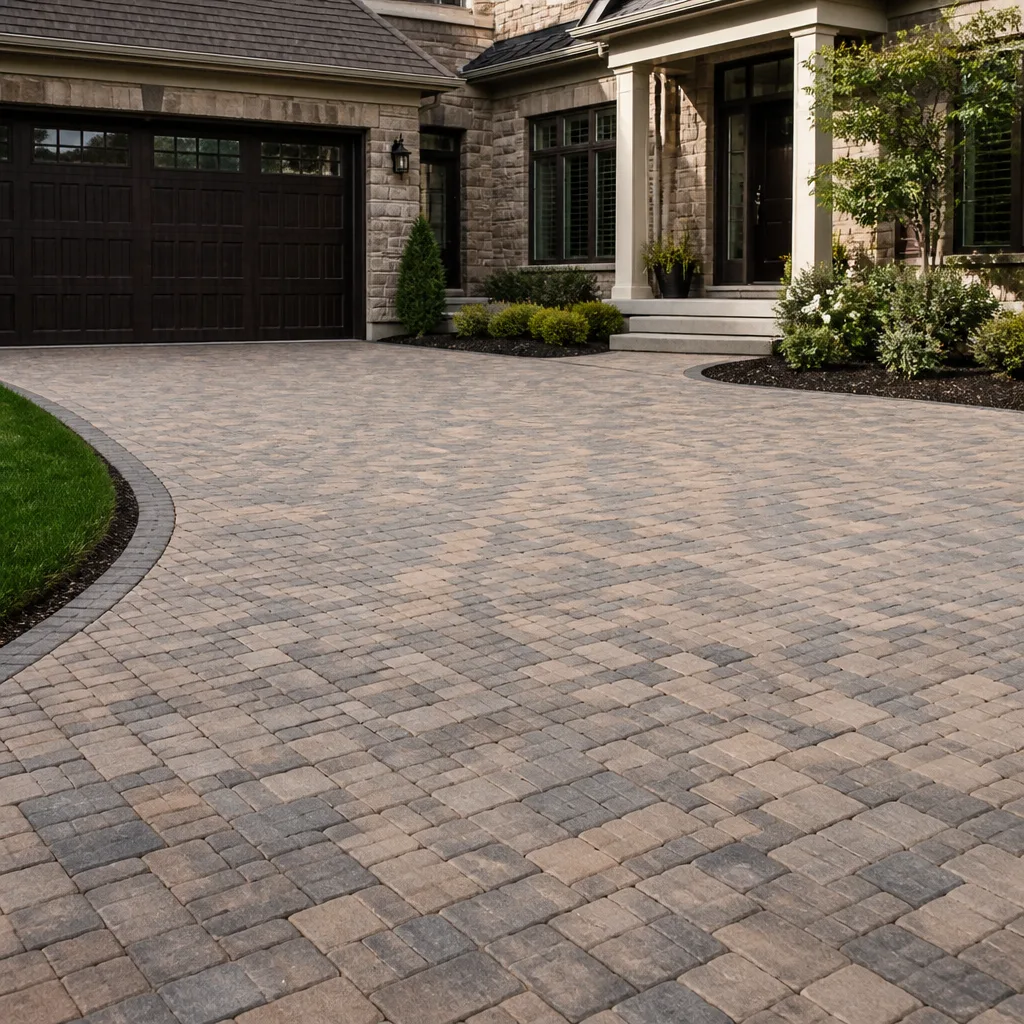
- Nadine G."Driveway replaced properly with a base that will actually last. They explained why the cheaper quote was cheaper."
- Reggie O.